Loan Prequalification Guide: Process & Benefits
Understand how prequalification works and boost your borrowing prospects

When you’re considering taking out a loan, understanding the preliminary steps can save you time and help you make informed financial decisions. Prequalification serves as an initial screening process that gives you an estimate of how much you might be able to borrow and at what terms, without committing to a formal application. This preliminary assessment has become an essential tool for borrowers across different loan types, from personal loans to mortgages.
What Distinguishes Prequalification From Other Loan Processes
The financial industry uses several overlapping terms when discussing the early stages of borrowing, which can create confusion for prospective borrowers. Understanding these distinctions helps you navigate the lending landscape more effectively.
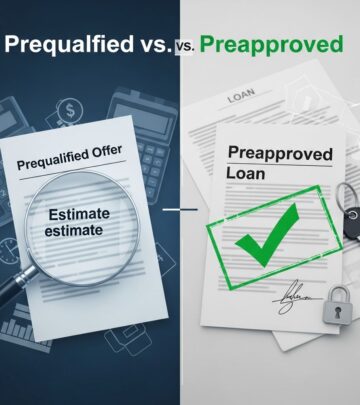
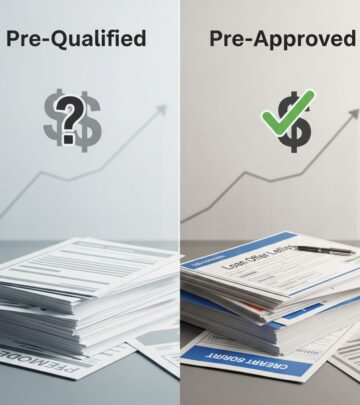
Prequalification represents the most basic form of assessment. It involves providing general information about your financial situation to a lender, who uses this data to estimate your eligibility and potential borrowing capacity. The process relies on information you supply directly—it’s essentially a self-reported assessment with minimal verification.
In contrast, preapproval requires substantially more documentation and verification. When you seek preapproval, lenders conduct comprehensive reviews of your financial history, including bank statements, tax returns, and employment verification. This process involves a hard credit inquiry, meaning the lender performs a thorough examination of your credit report. Preapproval is more binding than prequalification and represents a stronger indication of a lender’s willingness to extend credit to you.
The key practical difference: prequalification won’t negatively impact your credit score because lenders use soft credit inquiries, while preapproval involves hard credit checks that can temporarily lower your score.
The Foundational Information Lenders Request
When beginning the prequalification process, you should be prepared to share specific information about yourself and your finances. The typical categories of information include:
- Personal Identification Details — Your full name, date of birth, and Social Security number help lenders identify you and access your credit profile during soft inquiries
- Contact Information — Current address, phone number, and email address allow lenders to reach you with offers and updates
- Employment and Income Data — Information about your current job, employment status, and annual income helps lenders assess your ability to repay
- Loan Parameters — The amount you wish to borrow and the intended purpose of the funds influence the lender’s assessment of your eligibility
- Financial Assets — Some lenders ask about savings accounts, retirement funds, or investment accounts to evaluate your overall financial stability
The specific information required varies by lender and loan type. Personal loan prequalification typically requires less documentation than mortgage prequalification, since mortgages involve larger sums and longer repayment periods.
Navigating the Prequalification Process Step by Step
Initiating Contact With a Lender
The first step in prequalification begins when you identify a lender or lending platform and express interest in exploring your options. Many financial institutions now offer online prequalification tools that you can access directly through their websites. Alternatively, you might schedule a consultation with a loan officer who can walk you through the process.
When reaching out to a lender, be prepared to discuss your borrowing goals. Understanding why you need the loan helps lenders assess whether their products align with your needs. For example, if you’re seeking a personal loan for debt consolidation, the lender will evaluate whether consolidating your debts makes financial sense.
Completing the Prequalification Form
Most lenders provide online forms that you can complete at your convenience. These forms capture the essential information mentioned above in an organized format. The forms are designed to be straightforward and typically take just a few minutes to complete. During this step, accuracy matters—providing honest information about your income, employment status, and existing debts ensures you receive realistic prequalification estimates.
Many online lending platforms allow you to prequalify through a single application portal that connects you with multiple lenders, making it convenient to compare offers without having to visit different websites.
The Soft Credit Inquiry Explained
Once you submit your prequalification form, the lender will conduct a soft credit inquiry. This type of inquiry differs fundamentally from the hard credit checks that occur during formal loan applications. A soft inquiry allows the lender to review certain aspects of your credit profile without creating an official record on your credit report.
The critical advantage of soft inquiries: they don’t impact your credit score. This means you can prequalify with multiple lenders simultaneously to compare various offers without worrying about cumulative damage to your credit. This flexibility is particularly valuable when shopping for the best rates and terms.
Receiving Your Prequalification Offer
Within minutes to hours of submitting your prequalification form, lenders typically provide estimates of what you might qualify for. These preliminary offers include several key pieces of information that help you understand your borrowing potential:
- The estimated loan amount you could receive
- The estimated annual percentage rate (APR) or interest rate range
- Potential repayment term options (typically ranging from 24 to 84 months for personal loans)
- Estimated monthly payment amounts
- Total estimated interest costs for the loan term
These estimates provide a snapshot of what borrowing might cost you, allowing you to make preliminary assessments about affordability before committing to a formal application.
Information Requirements: Prequalification Versus Preapproval
| Information Category | Prequalification | Preapproval |
|---|---|---|
| Income Documentation | Self-reported annual income | Recent pay stubs (typically 30 days) |
| Credit Evaluation | Soft credit inquiry (no score impact) | Hard credit inquiry (temporary score impact) |
| Bank Account Information | Basic account details or statements | Two most recent bank statements |
| Tax Documentation | Not required | W-2 statements and tax returns (2 years) |
| Employment Verification | Self-reported employment status | Verification from employer |
From Prequalification to Formal Application
It’s crucial to understand that prequalification represents an estimate, not a guarantee. The loan offer you receive during prequalification comes with an important caveat: approval is not assured until you complete a full application and the lender conducts thorough verification.
When you decide to move forward with a lender based on your prequalification offer, you’ll enter the formal application stage. This phase requires significantly more documentation. You’ll need to provide supporting evidence for the information you reported during prequalification, including recent pay stubs, tax returns, bank statements, and potentially employment verification letters.
During the formal application process, the lender will conduct a hard credit inquiry. This inquiry appears on your credit report and may cause a temporary, modest decline in your credit score—typically 5 to 10 points. Hard inquiries remain on your credit report for approximately two years, though their impact on your score diminishes over time.
The lender will review your complete financial picture, including your debt-to-income ratio (the percentage of your gross income that goes toward debt payments) and cash flow. Based on this comprehensive review, the lender may approve you for the estimated amount, a different amount, or different terms than what you received during prequalification. In some cases, lenders may deny applications even after issuing prequalification estimates.
Strategic Advantages of the Prequalification Process
Risk-Free Credit Score Assessment
One of the primary benefits of prequalification is that it allows you to explore your borrowing options without risking your credit score. You can compare offers from multiple lenders, evaluate different interest rates and terms, and make informed decisions before committing to any formal application that would involve a hard credit check.
Efficient Shopping and Comparison
By obtaining prequalification estimates from several lenders, you can efficiently compare which institutions offer the most favorable terms for your situation. This competitive shopping helps ensure you’re getting the best possible rates and conditions before you formally apply anywhere.
Clarifying Your Borrowing Capacity
Prequalification gives you a realistic picture of how much you can borrow based on your current financial situation. This information helps you set appropriate expectations and avoid pursuing loan amounts that exceed what lenders are likely to approve. Understanding your borrowing capacity allows you to target loan amounts that align with your actual financial picture.
Preparation for Formal Applications
The prequalification process serves as a valuable preparation phase. It familiarizes you with the types of information lenders will request and helps you organize your financial documents before undertaking formal applications. This preparation can streamline the application process and reduce the time needed for final approval.
Common Questions About Loan Prequalification
Does prequalification affect my credit score?
No. Prequalification uses soft credit inquiries that don’t appear on the credit reports lenders review during formal applications. Your credit score remains completely unaffected by prequalification activities.
How quickly can I receive a prequalification offer?
Most lenders provide prequalification estimates within minutes to a few hours of submitting your application. Some lenders may take up to 24 hours, but rapid turnaround is the standard in today’s digital lending environment.
Can I prequalify with multiple lenders?
Absolutely. Since prequalification doesn’t hurt your credit score, you can prequalify with numerous lenders to compare different offers. This shopping approach helps you identify the lender providing the most favorable terms for your situation.
What’s the difference between prequalification and a preapproved loan offer?
Prequalification is a preliminary estimate based on limited information. Preapproval involves comprehensive verification and represents a stronger commitment from the lender. Preapproval requires hard credit checks and detailed documentation, while prequalification does not.
What happens if my financial situation changes after prequalification?
If your income, debts, or credit situation changes significantly between prequalification and formal application, your final loan terms may differ from your prequalification offer. This is why lenders conduct thorough verification during the formal application stage.
Preparing for Success in the Prequalification Process
To maximize your prequalification experience, approach the process with preparation and honesty. Gather information about your current income, existing debts, and available assets before completing prequalification forms. Providing accurate information ensures you receive realistic estimates that reflect your actual borrowing capacity.
Before prequalifying anywhere, take time to review your credit report for errors or inaccuracies. While prequalification uses soft inquiries that don’t access the complete credit report lenders see during formal applications, understanding your credit profile helps you assess whether prequalification will likely lead to approval.
Consider your borrowing goals carefully. Determine exactly how much you need to borrow and what you’ll use the funds for. Having clear objectives helps you evaluate whether different lenders’ offers actually serve your needs.
Final Perspective on Prequalification in Your Borrowing Journey
Loan prequalification represents a smart first step for anyone considering borrowing. It provides valuable information about your borrowing capacity and allows you to compare offers from multiple lenders without any risk to your credit score. By understanding how prequalification works and what distinguishes it from formal approval, you position yourself to make informed financial decisions.
Remember that prequalification is not a loan offer or approval—it’s an estimate based on information you provide. The true test comes during the formal application process, when lenders verify your information thoroughly. However, using prequalification strategically as an exploratory tool gives you the knowledge and confidence to proceed with formal applications at lenders most likely to provide favorable terms for your specific situation.
References
- How to Prequalify for a Personal Loan — Experian. 2024. https://www.experian.com/blogs/ask-experian/how-to-prequalify-for-loan/
- 6 Steps to Personal Loan Pre-Qualification — NerdWallet. 2024. https://www.nerdwallet.com/personal-loans/learn/steps-to-pre-qualify-for-personal-loan
- Mortgage Pre-Qualification vs. Pre-Approval — Bank of America. 2024. https://www.bankofamerica.com/mortgage/learn/mortgage-prequalification/
- Mortgage Prequalification: Benefits & How-To Guide — Chase Bank. 2024. https://www.chase.com/personal/mortgage/education/buying-a-home/get-mortgage-prequalify
- Step-by-Step to Pre-Qualification — Basis Home Loans. 2024. https://www.basishomeloans.com/blog/step-by-step-to-pre-qualification/
Similar Articles








Read full bio of Sneha Tete