Loan Forbearance End: Next Steps Guide
Discover essential actions to take when your loan forbearance period concludes, ensuring smooth repayment and financial stability ahead.

Loan forbearance provides temporary relief by pausing or reducing payments during financial difficulties, but when it concludes, borrowers must resume obligations or face serious consequences like default. Understanding post-forbearance processes is vital for maintaining financial health across student loans, mortgages, and personal loans.
Defining Loan Forbearance and Its Temporary Nature
Forbearance represents an agreement where lenders allow borrowers to delay payments, often due to hardship such as job loss, medical issues, or economic downturns. Unlike permanent forgiveness, it merely postpones debt, with interest typically accruing throughout. Federal student loans offer general forbearance (discretionary, up to 3 years total) and mandatory types (e.g., for medical interns or military service), each up to 12 months renewable. Mortgages follow similar patterns, mandated by protections like those from the Consumer Financial Protection Bureau for hardships.
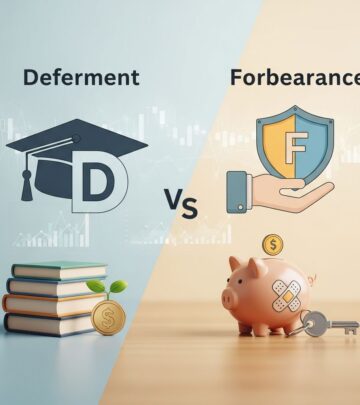
Private loans vary by lender, but approval hinges on documented temporary issues. Key distinction from deferment: forbearance always accrues interest, potentially capitalizing it onto principal at end, increasing future payments.
Immediate Changes When Forbearance Expires
Upon expiration, standard repayment resumes automatically unless new arrangements are made. Lenders notify borrowers 30-60 days prior via mail or online portals, detailing end dates and due amounts. Failure to act leads to delinquency after 30 days, damaging credit scores after 90 days.
Interest accrued during pause adds up: for a $30,000 student loan at 5% over 12 months, roughly $1,500 accrues, possibly capitalizing to hike principal. Mortgages may require lump-sum repayment of missed amounts within 12 months post-forbearance.
| Loan Type | Post-Forbearance Action | Interest Handling | Max Duration |
|---|---|---|---|
| Federal Student | Resume standard or IDR plan | Capitalizes unless paid | 3 years general |
| Mortgage | Lump sum or installments | Accrues, added to arrears | Up to 18 months |
| Private/Personal | Lender-specific repayment | Typically capitalizes | 12-24 months |
Repayment Pathways After Forbearance
Borrowers have options to manage resumed payments. For federal student loans, switch to income-driven repayment (IDR) plans capping payments at 10-20% of discretionary income, with forgiveness after 20-25 years. Mortgage holders can negotiate repayment plans spreading missed payments over months or extend terms.
- Lump-sum payment: Ideal if funds available, clears arrears immediately.
- Installment plans: Adds missed amounts to monthly bills over 6-12 months.
- Loan modification: Permanent change to terms, like lower rates for mortgages.
- Refinancing: For private loans, secure better rates post-hardship.
Act before expiration: contact servicers early to explore these, providing updated financials.
Interest Capitalization: The Hidden Cost
Capitalization occurs when unpaid interest tacks onto principal, boosting future interest calculations. In student forbearance, this hits at end or when switching plans, e.g., doubling effective debt growth on high-rate loans. Avoid by paying interest monthly during pause—federal loans subsidize some, but not general forbearance.
Mortgages capitalize differently, often as a forborne amount repayable separately. Strategies include partial payments during forbearance to minimize buildup. Long-term, this can extend payoff by years; a $50,000 loan at 6% with 12-month capitalization adds ~$3,150 to principal initially.
Credit Score Implications Post-Forbearance
Forbearance itself doesn’t hurt credit if reported properly—many lenders note it as current status. But post-end delinquency tanks scores: FICO drops 100+ points after 90 days late. Positive payment history resumes upon compliance, rebuilding over 6-12 months.
Monitor via free weekly reports from AnnualCreditReport.com. Dispute errors promptly. Tools like Experian Boost can add positive payment data.
Alternatives to Forbearance for Ongoing Relief
If hardship persists, consider deferment for federal student loans (no interest on subsidized during school/unemployment). IDR offers forgiveness paths. Mortgages: loss mitigation like modifications via HUD counseling. Private loans: hardship programs or consolidation.
Pro Tip: Prioritize high-interest debts; build emergency funds to prevent repeats.
Step-by-Step Action Plan for Forbearance Exit
- Review notices: Note exact end date, accrued amounts.
- Assess finances: Calculate budget for full payments.
- Contact servicer: Discuss plans 60 days prior.
- Submit docs: Income proof, hardship evidence if needed.
- Choose plan: IDR, installments, etc.
- Make first payment: On time to avoid delinquency.
- Track progress: Use dashboards for balances.
Common Pitfalls and How to Avoid Them
Many overlook capitalization, leading to sticker shock. Others ignore notifications, triggering default. Federal student default after 270 days non-payment risks wage garnishment, tax refund offsets. Mortgages risk foreclosure post-120 days delinquency.
Mitigate by automating payments, seeking nonprofit credit counseling (NFCC.org), and exploring employer assistance programs.
Special Considerations for Student Loans
Federal options abound: general forbearance for any hardship, mandatory for internships/military. Post-COVID pauses ended, reverting to standard rules. Private student loans less flexible, often capping total forbearance at 24 months. Always pay interest to curb growth.
Mortgage Forbearance Specifics
CARES Act expanded access, but now case-by-case. Repayment via 12-installment plan common; no credit impact if compliant. FHA/VA loans offer partial claims covering arrears.
Personal and Auto Loan Forbearance Ends
Shorter terms (3-12 months); repossession risks higher for autos. Negotiate extensions proactively.
Frequently Asked Questions (FAQs)
What if I can’t afford payments after forbearance?
Contact servicer immediately for IDR, modification, or extension.
Does forbearance affect my credit score?
Not during if reported positively; delinquency post-end does.
Can I get multiple forbearances?
Yes, up to limits (e.g., 3 years federal student general).
Should I pay interest during forbearance?
Yes, prevents capitalization and reduces total cost.
What happens if I ignore post-forbearance bills?
Delinquency, default, collections, foreclosure.
Long-Term Financial Recovery Strategies
Post-forbearance, focus on budgeting: 50/30/20 rule (needs/wants/savings). Build 3-6 months emergency fund. Increase income via side gigs. Debt snowball/avalanche methods prioritize payoffs. Free tools: Khan Academy finance courses, Mint budgeting app.
Consult certified planners (CFP.net). Track net worth quarterly. Aim for debt-to-income under 36% for future borrowing.
References
- Understanding Student Loan Forbearance — Western & Southern Financial Group. 2024. https://www.westernsouthern.com/personal-finance/student-loan-forbearance
- Understanding forbearance and how lenders manage — LoanPro. 2024. https://loanpro.io/glossary/forbearance
- What Is the Difference Between Deferment and Forbearance? — Citi. 2024. https://www.citi.com/personal-loans/learning-center/basics/loan-deferment-vs-loan-forbearance
- What Is Loan Forbearance? — Experian. 2024. https://www.experian.com/blogs/ask-experian/what-is-loan-forbearance/
- What is Student Loan Forbearance? — Citizens Bank. 2024. https://www.citizensbank.com/learning/student-loan-forbearance.aspx
- Forbearance on Student Loans: What You Need to Know — HESC Loans. 2024. https://www.hescloans.com/blog/forbearance-on-student-loans
- What is mortgage forbearance? — Consumer Financial Protection Bureau. 2024-03-31. https://www.consumerfinance.gov/ask-cfpb/what-is-mortgage-forbearance-en-289/
- Student Loan Forbearance — Federal Student Aid. 2024. https://studentaid.gov/manage-loans/lower-payments/get-temporary-relief/forbearance
Similar Articles








Read full bio of Sneha Tete