Loan Default Explained
Discover what loan default means, its severe repercussions across loan types, and proven strategies to avoid or recover from it effectively.
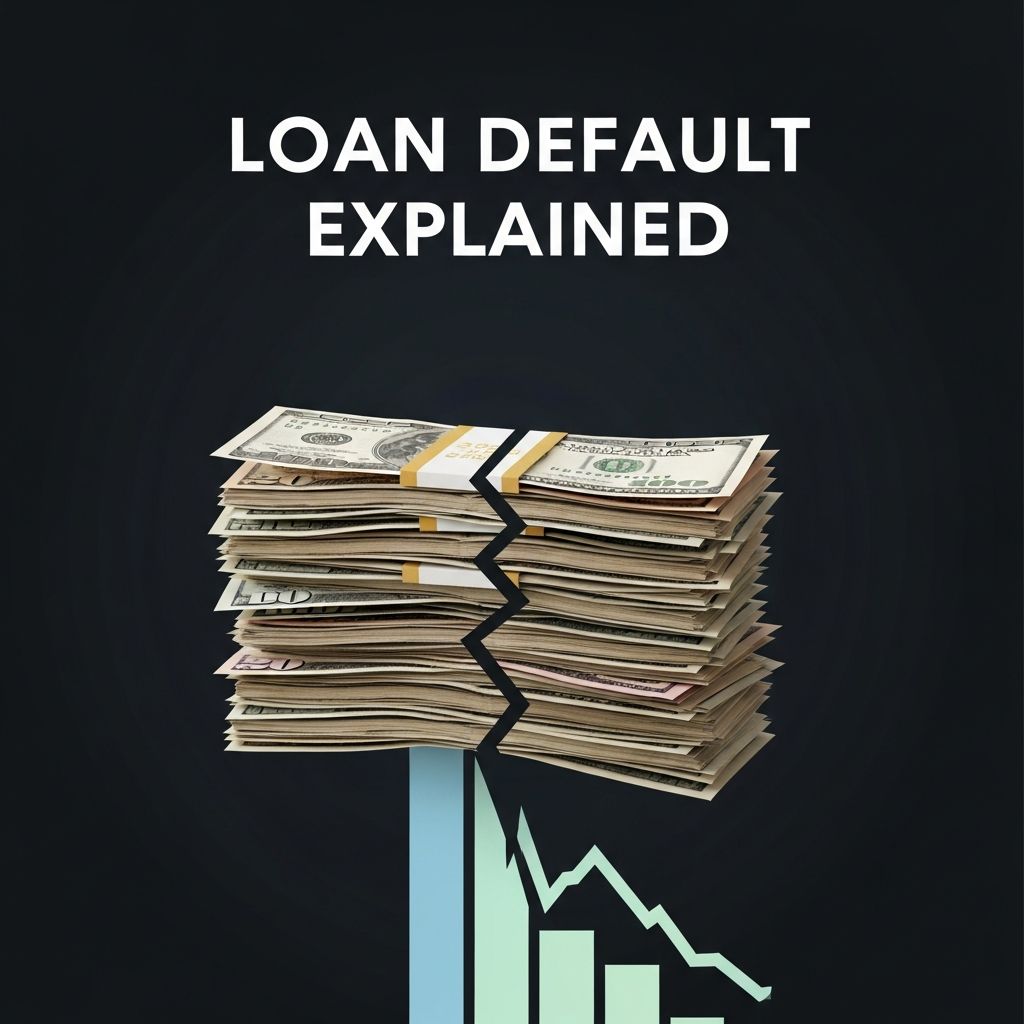
Loan default represents a critical failure in meeting the repayment obligations of a borrowed sum, triggering a cascade of financial penalties that can reshape a borrower’s economic future. This comprehensive guide delves into the mechanics of default across various loan categories, outlines immediate and long-term fallout, and provides actionable steps for mitigation and restoration.
Defining Loan Default and Its Triggers
A loan default arises when a borrower neglects to fulfill the agreed-upon repayment schedule, typically after a specified period of delinquency. This breach encompasses missing payments on principal and interest, as stipulated in the loan contract. Lenders define default variably: for many personal loans, it activates after 30 to 90 days of missed payments, while federal student loans enter default after 270 days of non-payment.
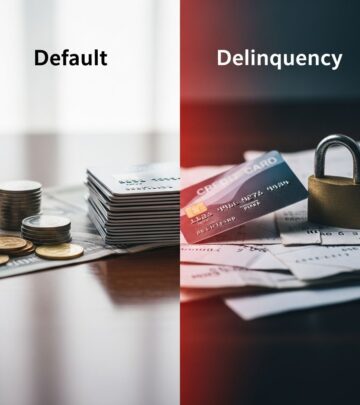
Delinquency precedes default, marked by initial late payments that incur fees ranging from $25 to $50 or 3-5% of the due amount. As delays persist, interest accrues relentlessly, ballooning the debt. Unlike criminal offenses, default remains a civil matter—no jail time applies, though court appearances may be required.
- Key Triggers: Prolonged missed payments (90+ days for most unsecured loans), failure to cover property taxes/insurance on mortgages, or violation of covenant terms.
- Timeline Variations: Mortgages at 120 days; student loans at 270 days; personal loans at 90 days.
Immediate Financial Repercussions of Default
Upon default declaration, lenders initiate recovery measures, starting with credit reporting. Late payments, reported after 30-60 days, comprise 35% of FICO scores, causing sharp declines—often 100+ points. Defaults linger on reports for seven years, hindering future borrowing.
| Consequence | Impact Timeline | Typical Cost |
|---|---|---|
| Credit Score Drop | Immediate upon reporting | 100-150 points loss |
| Late Fees | 30 days late | $25-$50 per instance |
| Interest Accrual | Ongoing | Compounds daily |
| Collections Assignment | 90+ days | Additional 25-50% fees |
Fees and penalties escalate the owed balance rapidly. Unsecured debts may transfer to agencies, amplifying harassment via calls and legal threats. Secured loans risk collateral forfeiture.
Consequences by Loan Type
Unsecured Personal and Credit Card Loans
Personal loans, lacking collateral, prompt lenders to pursue collections after 90 days. Debt buyers may sue, securing judgments for wage garnishment (up to 25% in some states) or asset liens. Credit card defaults mirror this: issuers charge off debts after 180 days, selling them to collectors. Balances swell via penalty APRs (up to 29.99%), potentially doubling principal.
- Wage garnishment post-judgment.
- Bank account levies.
- Persistent collection contacts.
Secured Loans: Mortgages and Auto Financing
Mortgage default after 120 days invites acceleration—full balance due immediately. Foreclosure proceedings follow, culminating in home auction after state-mandated periods (3-12 months). Auto loans enable swift repossession; lenders seize vehicles without court order in most states.
Post-repossession, deficiency balances (sale shortfall) pursue via collections, prolonging distress.
Federal Student Loans: Unique Federal Powers
Default hits after 270 days (240 for some Direct Loans). Consequences extend beyond credit: ineligibility for deferment/forbearance, aid suspension, and immediate full repayment demand (acceleration).
| Student Loan Penalty | Description |
|---|---|
| Wage Garnishment | Up to 15% without court order |
| Tax Refund Offset | Federal/state refunds seized |
| Professional License Block | Denied for certain fields |
| Social Security Garnishment | Up to 15% of benefits |
Defaults report to bureaus, damaging employability and rentals via credit checks.
Long-Term Ramifications on Financial Health
Beyond immediates, defaults erode borrowing power: denials, subprime rates (10-20%+ hikes), and utility/rental hurdles. Employment suffers—many firms screen credit; professionals (e.g., doctors) face license revocation.
Rebuilding demands years: payment history’s dominance delays recovery. Future loans command higher costs, perpetuating debt cycles. Legal judgments add liens, complicating asset sales.
Prevention Tactics: Proactive Management
Avoidance hinges on early intervention. Monitor statements, automate payments, and build emergency funds covering 3-6 months’ obligations.
- Contact Lenders Early: Delinquency at 30 days? Request hardship forbearance or modified terms.
- Refinance/Consolidate: Lower rates/payments via new loans if credit permits.
- Budget Rigorously: Prioritize high-interest debts; cut non-essentials.
For mortgages, explore FHA/VA options or refinancing to evade foreclosure.
Recovery Roadmap Post-Default
Defaults aren’t terminal. Steps include:
- Negotiate Settlements: Lump-sum discounts (30-50% off) with collectors.
- Rehabilitation Programs: Student loans via 9 on-time payments; restores aid eligibility.
- Dispute Errors: Credit reports via bureaus if inaccuracies exist.
- Secured Cards/Rebuilders: Reestablish history gradually.
Bankruptcy (Chapter 7/13) discharges some unsecureds but accelerates secured losses and lingers 7-10 years.
Frequently Asked Questions (FAQs)
Can I Go to Jail for Defaulting on a Loan?
No, default is civil, not criminal. Jail applies only to fraud or non-court compliance.
How Long Does a Default Stay on My Credit Report?
Seven years from the first delinquency date.
What If I Can’t Pay After Repossession?
Deficiency judgments pursue remaining balances via collections or garnishment.
Are There Government Programs for Student Loan Defaults?
Yes: rehabilitation, consolidation, or Income-Driven Repayment plans.
Does Default Affect My Job or Housing?
Yes—many employers/landlords check credit; student defaults block licenses.
Final Strategies for Financial Resilience
Default underscores borrowing’s gravity: assess affordability pre-application, maintain reserves, and seek counsel from non-profits like NFCC. Consistent payments fortify scores; tools like Credit Karma track progress. Vigilance transforms potential pitfalls into managed hurdles, securing fiscal stability.
References
- What Is a Loan Default? Understanding Its Impact and Solutions — Business Insider. 2023-10-15. https://www.businessinsider.com/personal-finance/personal-loans/what-does-it-mean-to-default-on-a-loan
- What Happens If You Default On A Personal Loan? — Bankrate. 2024-05-22. https://www.bankrate.com/loans/personal-loans/what-is-a-personal-loan-default/
- What Happens if I Default on a Loan? — Experian. 2024-08-10. https://www.experian.com/blogs/ask-experian/what-does-it-mean-to-default-on-a-loan/
- Consequences of Default and Actions to Take — University of Colorado Colorado Springs Financial Aid. 2023-01-01. https://finaid.uccs.edu/types-of-aid/educational-loans/default15
- Consequences of Defaulting on a Federal Direct Loan — Springfield College. 2022-11-20. https://springfield.edu/financial-aid/loan-programs/defaulting
- What Does it Mean to Default on a Loan? — OneMain Financial. 2024-02-14. https://www.onemainfinancial.com/resources/loan-basics/what-does-it-mean-to-default-on-a-loan
- What Is Personal Loan Default? — Citi. 2023-12-05. https://www.citi.com/personal-loans/learning-center/basics/default-on-a-personal-loan
Similar Articles








Read full bio of Sneha Tete