Loan Default’s Lasting Credit Damage
Discover how a single loan default can slash your credit score, linger for years, and block future financial opportunities—plus proven recovery steps.

A loan default occurs when a borrower fails to meet payment obligations after an extended period of delinquency, typically 90-180 days past due, marking it as one of the most damaging events on a credit report. This negative entry can reduce credit scores by over 100 points and remains visible for seven years, severely restricting access to new credit, favorable interest rates, and even rental approvals.
Defining Default and Its Distinction from Delinquency
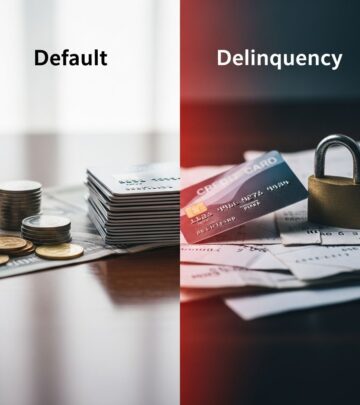
Delinquency begins with the first missed payment, often reported after 30 days, signaling initial payment issues that gradually erode credit health. In contrast, default represents a more severe stage where the lender declares the debt uncollectible, often after 120-180 days of nonpayment, triggering aggressive collection actions.
Key differences include:
- Timeline: Delinquency starts immediately upon missing a payment; default follows prolonged delinquency.
- Severity: Delinquent accounts may still be managed internally, while defaults lead to charge-offs, collections, or asset repossession.
- Credit Impact: Both harm scores, but defaults amplify damage through additional derogatory marks like collections.
Immediate Credit Score Consequences
Upon default registration, credit scores plummet, with drops exceeding 100 points common, especially for those with prior strong credit profiles. Pre-default delinquencies (30, 60, 90 days late) already initiate the decline, but the default itself compounds the effect by forecasting high risk to lenders.
| Starting Credit Range | Typical Default Drop | Example Post-Default Score |
|---|---|---|
| Excellent (800+) | 150-200+ points | 650-700 |
| Good (700-799) | 100-150 points | 600-650 |
| Fair (600-699) | 80-120 points | 500-550 |
This table illustrates variability based on individual factors like account age and overall history; higher starting scores suffer steeper falls but recover faster with positive behavior.
Long-Term Presence on Credit Reports
Defaults persist on credit reports for seven years from the original delinquency date, not resolution, outlasting many other negative items. Even after payment, the entry updates to “satisfied” but retains its derogatory status, influencing lender algorithms that weigh recency heavily.
Older defaults lose potency over time:
- Years 1-2: Maximum impact; near-total denial of mainstream credit.
- Years 3-4: Gradual improvement possible with flawless payments elsewhere.
- Years 5-7: Minimal score influence if profile rebuilt.
Real-World Ramifications Beyond Scores
A default cascades into broader financial hurdles. Lenders view defaulters as high-risk, imposing sky-high interest rates or outright rejections on loans, cards, and mortgages. Unsecured debts like credit cards may go to collections, adding further seven-year marks and potential lawsuits leading to wage garnishment or liens.
For secured loans:
- Mortgages: Defaults often precede foreclosures, demolishing scores and complicating future homeownership for seven years.
- Auto Loans: Repossessions join the default as dual derogatory items, stripping assets while scarring reports.
Higher costs compound: expect 5-10%+ APR premiums on approved credit, inflating lifetime borrowing expenses by thousands.
Does Paying Off Erase the Damage?
Settling a default halts escalation—no more accruing fees, reduced CCJ/foreclosure risks, and a shift to “satisfied” status, which some lenders favor after 12-18 months. However, it neither removes the entry nor instantly restores scores; rebuilding requires sustained positive history.
Partial settlements or charge-offs noted as such may deter cautious lenders, prolonging recovery.
Step-by-Step Recovery Roadmap
Reversing default damage demands discipline:
- Obtain Reports: Review free weekly reports from Equifax, Experian, TransUnion for accuracy.
- Dispute Errors: Challenge inaccuracies like unreported payments promptly.
- Prioritize Payments: Automate bills to avoid new delinquencies; use secured cards for utilization under 30%.
- Build Reserves: Emergency fund prevents repeats.
- Add Positives: Become authorized user on good-standing accounts or use credit-builder loans.
- Monitor Progress: Track score monthly; expect 50-100 point gains in 1-2 years.
Preventive Financial Safeguards
Avoid defaults through:
- Budgeting apps for real-time tracking.
- Debt consolidation for high-interest balances.
- Credit counseling from nonprofit agencies before delinquency hits.
- Regular score checks to catch issues early.
FAQs
How long does a default stay on my credit report?
Seven years from the first missed payment date, regardless of payoff status.
Can I remove a default early?
Rarely; only via proven errors or goodwill from lenders, not standard payoffs.
Is default worse than bankruptcy?
Often yes for isolated issues, as bankruptcy covers multiple debts but adds its own mark; defaults signal targeted failures.
Will a default affect job or housing applications?
Yes, many employers and landlords review credit; impacts fade with time and rebuilding.
How soon can I get new credit post-default?
Subprime options immediately, mainstream after 2+ years of good behavior.
References
- How Much Does a Default Affect Your Credit Score? — ClearScore. 2023. https://www.clearscore.com/learn/credit-score-and-report/how-much-does-a-default-affect-your-credit-score
- How Does Default Impact Your Credit? — Experian. 2024-03-15. https://www.experian.com/blogs/ask-experian/how-does-default-impact-credit/
- Default vs Delinquency: How They Impact Credit — Chase. 2024. https://www.chase.com/personal/credit-cards/education/build-credit/default-vs-delinquency
- How Defaulting on a Loan Affects Your Credit — LendingTree. 2025-01-10. https://www.lendingtree.com/credit-repair/how-defaulting-on-a-loan-affects-your-credit/
- Credit Card Default: How It Happens, What to Do About It — Bankrate. 2024-06-20. https://www.bankrate.com/credit-cards/advice/credit-card-default/
- How Does a Loan Default Affect My Credit? — Lexington Law. 2023-11-05. https://www.lexingtonlaw.com/blog/negative-items/how-does-a-loan-default-affect-my-credit.html
Similar Articles








Read full bio of medha deb