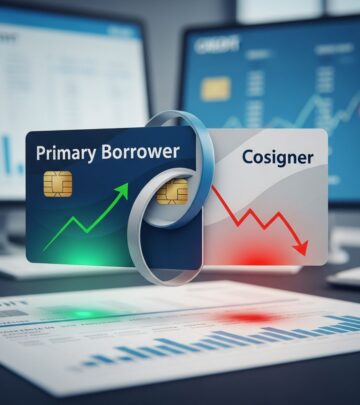
Understanding Loan Cosigning: Benefits and Risks
Navigate the financial implications of serving as a loan cosigner

When someone asks you to cosign a loan, you’re being asked to take on a significant financial responsibility. Cosigning means agreeing to repay the loan if the primary borrower fails to make payments, making it a legally binding commitment that affects your finances and credit profile. Before agreeing to become a cosigner, it’s essential to understand both the potential advantages and substantial risks involved in this arrangement.
What Does It Mean to Cosign a Loan?
A cosigner is an individual who agrees to be held legally responsible for someone else’s debt. When you cosign a loan, you’re entering into a binding contract with the lender, not merely providing a character reference. The lender will conduct a thorough evaluation of both your financial situation and the primary borrower’s situation before approving the loan.
It’s important to understand that cosigners typically do not receive the loan funds or own any assets purchased with the loan proceeds. Instead, your role is purely one of financial guarantee. The primary borrower receives the money and maintains ownership of any property purchased. However, if the primary borrower cannot or will not make the required payments, the lender can pursue you for full repayment of the outstanding balance.
By law, lenders must provide cosigners with a document called the Notice to Cosigner, which explains the obligations and potential consequences of cosigning. This notice outlines what happens if the primary borrower misses payments or defaults on the loan.
How the Cosigning Process Works
The process of cosigning varies slightly depending on the type of loan and the lender, but several elements remain consistent across most lending institutions.
When you agree to cosign, you’ll need to provide financial information to the lender, including details about your income, employment, and existing debts. The lender will conduct a hard credit inquiry on your credit report to assess your creditworthiness. This inquiry may temporarily lower your credit score by a few points. Similarly, the lender performs the same evaluation on the primary borrower’s financial profile.
Lenders examine the debt-to-income (DTI) ratio of both parties to determine the risk level of the loan. Your combined financial strength helps the lender make a lending decision. If your credit profile is strong and your income is stable, your involvement as a cosigner significantly increases the likelihood of loan approval and may even secure more favorable interest rates for the primary borrower.
Once approved, the primary borrower makes the monthly payments directly to the lender. However, the lender retains the right to contact you if payments become delinquent and can pursue legal action against you if the primary borrower defaults.
Advantages of Cosigning a Loan
Helping Others Achieve Financial Goals
One of the primary reasons people cosign loans is to help family members or close friends access credit they otherwise couldn’t obtain. Young people building credit histories, individuals with poor credit scores, or those without substantial income may struggle to qualify for loans on their own. By cosigning, you enable these individuals to access funds for education, vehicle purchases, or other important needs.
Enabling Better Loan Terms
When a primary borrower has a weaker credit profile, they typically face higher interest rates and less favorable terms. Your involvement as a cosigner, particularly if you have excellent credit and a strong income, can help the borrower qualify for lower interest rates. Over the life of a loan, even a modest reduction in the interest rate can result in thousands of dollars in savings for the borrower.
Supporting Credit Building
For young adults or those rebuilding credit, cosigned loans can serve as a stepping stone toward establishing a stronger financial history. If the primary borrower makes all payments on time, the positive payment history builds their credit record. This foundation allows them to eventually qualify for credit independently without requiring a cosigner for future borrowing needs.
Disadvantages and Risks of Cosigning
Legal and Financial Liability
The most significant risk of cosigning is that you assume full legal responsibility for the debt if the primary borrower defaults. This isn’t a contingency—it’s a binding obligation. The lender can pursue you for the entire outstanding balance without first exhausting all collection efforts against the primary borrower. You could face legal action, wage garnishment, or have your assets seized to satisfy the debt.
Credit Report Impact
Cosigned loans appear on your credit report as if they were your own debt. This means the loan balance counts toward your overall debt load when lenders evaluate your creditworthiness. If you later apply for a mortgage, car loan, or credit card, lenders see this debt obligation as part of your financial picture, potentially affecting your ability to qualify for other credit or resulting in higher interest rates for you.
Additionally, if the primary borrower misses payments or defaults, this negative information appears on your credit report as well. Late payments or defaults can significantly damage your credit score, making it difficult for you to obtain credit in the future and potentially affecting other aspects of your financial life, such as insurance rates or employment opportunities.
Relationship Strain
Money matters frequently create tension in personal relationships. If the primary borrower encounters financial difficulties and cannot make payments, you may find yourself in an uncomfortable position of either making payments yourself to protect your credit or allowing both of your credit profiles to suffer. This situation can damage friendships and family relationships significantly.
Limited Control Over the Loan
As a cosigner, you have little recourse if the primary borrower mismanages the loan. You don’t typically have control over how the money is used or authority over the loan account. Some cosigners recommend having access to the loan account to monitor payment activity, but this arrangement depends on the lender and the primary borrower’s willingness to allow it.
Cosigner vs. Co-Borrower: Important Distinctions
While the terms are sometimes used interchangeably, cosigners and co-borrowers have fundamentally different roles and rights.
| Characteristic | Cosigner | Co-Borrower |
|---|---|---|
| Liability | Responsible only if primary borrower defaults | Equally responsible from the beginning |
| Access to Funds | Does not receive loan proceeds | Receives loan funds and may use them |
| Ownership Rights | No ownership of assets purchased | Shares ownership of purchased assets |
| Credit Impact | Loan appears on credit report | Loan appears on credit report |
| Payment Obligation | Contingent on borrower’s failure | Ongoing and equal responsibility |
Understanding this distinction is crucial because co-borrower status typically involves greater benefits but also greater ongoing obligations. When you co-borrow, you’re a full participant in the loan, whereas cosigning is more of a safety net role.
Questions to Ask Before Cosigning
Before agreeing to cosign any loan, consider these important questions:
- Can you afford to make the entire monthly payment if the primary borrower stops paying?
- Do you understand the specific terms of the loan, including interest rate, repayment period, and total amount owed?
- Are you comfortable with the potential impact on your own credit score and borrowing capacity?
- Do you have a trusted relationship with the primary borrower, and have you discussed what will happen if they encounter financial difficulties?
- Is there a written agreement between you and the primary borrower regarding repayment responsibilities?
- Have you reviewed the Notice to Cosigner document provided by the lender?
- Are there alternative solutions that might help the borrower without requiring you to cosign?
Alternatives to Cosigning
If someone asks you to cosign but you’re uncomfortable with the risks, several alternatives may address their financial needs:
Providing a Gift
If you have the financial capacity, providing a gift toward the down payment or closing costs may help the borrower reduce the loan amount needed, potentially allowing them to qualify without a cosigner.
Government-Backed Loan Programs
Depending on the purpose of the loan, government programs may offer options without requiring a cosigner. FHA mortgages, federal student loans, and SBA business loans sometimes have more flexible qualification criteria than conventional loans.
Credit-Building Tools
Rather than immediately cosigning, you might help the borrower build their credit independently through secured credit cards or credit-builder loans. This approach takes longer but creates sustainable financial independence.
Shopping for Better Lenders
Different lenders have different qualification standards. The borrower may benefit from working with credit unions or online lenders that have more flexible requirements before resorting to finding a cosigner.
Releasing From Cosigner Obligations
In some cases, cosigners may be released from their obligations if the primary borrower demonstrates consistent, on-time payments over a specified period. Loan servicers sometimes evaluate whether the borrower can now qualify independently and will remove the cosigner from the obligation.
To explore this possibility, review your original loan agreement or contact the lender directly to understand their cosigner release policies. Having the borrower refinance the loan in their name alone is another path to releasing yourself from the obligation, though this requires the borrower to qualify independently at that time.
Key Considerations for Different Loan Types
Cosigning requirements and implications vary depending on the loan type. For personal loans, cosigners with a credit score of 700 or higher, a debt-to-income ratio around 30%, and steady income are typically preferred. For mortgages, cosigners must generally be relatives or close friends and may need to be on the property title depending on the loan type. Auto loan cosigning involves similar responsibilities across different vehicle types and lenders.
Making a Responsible Decision
Cosigning a loan is a significant financial decision that should never be made impulsively. Take time to thoroughly understand the terms, assess your financial situation honestly, and consider whether the relationship is strong enough to withstand potential financial stress. While helping someone access credit can be rewarding, protecting your own financial health must remain a priority. If you decide to cosign, ensure you’re doing so willingly and with full awareness of the potential consequences.
References
- What Is a Personal Loan With a Cosigner? — Citi.com. 2024. https://www.citi.com/personal-loans/learning-center/basics/personal-loan-with-cosigner
- Co-signing a mortgage loan: What both parties need to know — Rocket Mortgage. 2024. https://www.rocketmortgage.com/learn/cosign-mortgage-loan
- Cosigning a Loan FAQs — Federal Trade Commission Consumer Advice. 2024. https://consumer.ftc.gov/articles/cosigning-loan-faqs
- What is a Co-Signer? — Equifax. 2024. https://www.equifax.com/personal/education/loans/articles/-/learn/co-signer-pros-and-cons/
- Cosigning a Loan: Risks and Benefits — The Maryland People’s Law Center. 2024. https://www.peoples-law.org/cosigning-loan-risks-and-benefits
- How Does Co-Signing Work on Different Loans? — Community First Credit Union. 2024. https://www.communityfirstfl.org/resources/blog/how-does-co-signing-work
- Co-signing For a Mortgage: What to Know — Chase Bank. 2024. https://www.chase.com/personal/mortgage/education/financing-a-home/cosigning-a-mortgage-loan
- Cosigning a Loan — Minnesota Attorney General’s Office. 2024. https://www.ag.state.mn.us/consumer/publications/CosigningALoan.asp
Similar Articles








Read full bio of Sneha Tete