Can You Live Without a Car? A Complete Guide
Discover how to live car-free and save thousands annually with practical alternatives.

Can You Live Without a Car? A Complete Guide to Car-Free Living
The question of whether you can live without a car doesn’t have a one-size-fits-all answer. It largely depends on your specific circumstances: where you live, where you work, and your daily lifestyle needs. However, for many people, the prospect of ditching car ownership is increasingly appealing—especially those who find driving stressful or who are looking to reduce expenses and live more sustainably. The reality is that going car-free might be the key to achieving a healthier, more financially secure, and significantly less stressful life. Even if certain destinations seem impossible to reach without a vehicle, alternatives like carpooling, ride-sharing services, and car-sharing programs can bridge those gaps without requiring car ownership.
Understanding Your Car Ownership Costs
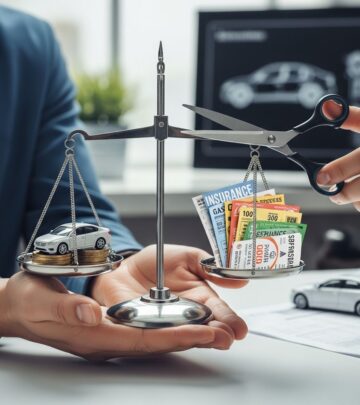
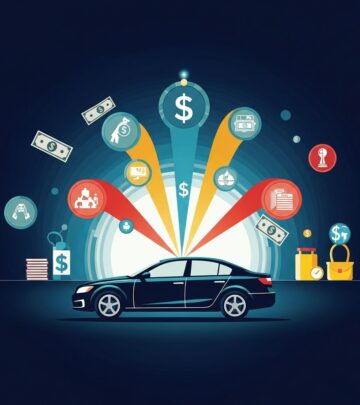
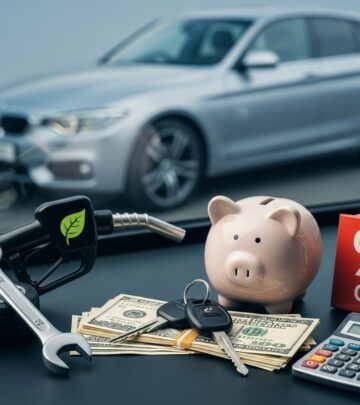
Before deciding whether to abandon car ownership, it’s crucial to understand the true cost of maintaining a vehicle. According to industry research, owning and maintaining an average car costs drivers between $4,580 to $7,173 per year when accounting for payments, insurance, gas, maintenance, and registration fees. These costs extend beyond the obvious expenses—they include wear and tear, unexpected repairs, and the often-overlooked expense of parking. In urban areas with limited parking availability, these costs can escalate dramatically. By contrast, relying on alternative transportation methods allows you to redirect these thousands of dollars annually toward savings, investments, or other meaningful expenditures. Studies show that switching from car ownership to public transit alternatives can save you anywhere from $232 to $498 per month, translating to $2,784 to $5,976 annually. In major metropolitan areas where public transit is robust and parking fees are substantial, the annual savings can exceed $9,797 for a couple eliminating one vehicle.
Primary Transportation Alternatives
Living without a car requires embracing multiple transportation modes depending on your destination and circumstances. These alternatives work best when combined strategically to create a comprehensive mobility plan.
Walking: The Most Accessible Option
Walking remains the most fundamental and economical transportation method available. The advantages are substantial: it requires virtually no financial investment beyond a comfortable pair of shoes, which can be purchased for as little as $40, and it functions universally across all neighborhoods and cities. Walking is not merely transportation—it doubles as daily exercise, contributing to improved cardiovascular health and reduced medical expenses over your lifetime. According to Harvard Medical School research, regular walking could save Americans approximately $100 billion collectively in healthcare costs. Additionally, the time spent walking can be productively utilized for reading, listening to podcasts, or simply enjoying your surroundings rather than focusing on driving demands.
Biking and E-Bikes
Bicycles offer a faster alternative to walking while maintaining minimal operational costs and significant health benefits. Traditional bikes require only occasional maintenance and no fuel expenses. For longer distances or challenging terrain, electric bikes (e-bikes) provide an excellent middle ground, extending your practical cycling range without the vehicle ownership burden. E-bikes are particularly valuable in urban environments where distances are moderate and infrastructure supports cycling.
Public Transportation Systems
Public transit encompasses buses, trains, trams, and underground rail systems. While not available everywhere, robust transit networks in major cities offer reliable, cost-effective commuting solutions. The advantage extends beyond cost savings—while commuting via transit, you can work, read, study, or relax rather than concentrating on driving. Even if transit takes longer than driving, the reclaimed time isn’t wasted since you can engage in meaningful activities. Urban dwellers in well-connected cities often find public transit faster than driving when accounting for parking time and traffic congestion.
Ride-Sharing and Taxi Services
Modern ride-sharing platforms like Uber and Lyft have revolutionized personal transportation by eliminating the need for vehicle ownership while providing on-demand mobility. These services function through smartphone applications where users create accounts, link payment methods, and request rides when needed. The system automatically calculates fares and charges your payment method, providing transparency and convenience. Ride-sharing proves economical for occasional users who don’t require daily transportation, making it ideal for supplementing other transit methods or for infrequent trips. Traditional taxi services provide similar benefits for those preferring non-app-based ride options.
Car-Sharing and Rental Programs
What Is Car-Sharing?
Car-sharing services like Zipcar provide access to vehicles only when you need them, eliminating the costs and responsibilities associated with ownership. Members pay membership fees and hourly or daily rental rates, gaining access to a fleet of vehicles located throughout their area. This model works exceptionally well for people who occasionally need driving capabilities but don’t justify full vehicle ownership.
Cost Comparison
The financial advantage of car-sharing versus ownership becomes clear through direct comparison. Using Zipcar for short trips approximately ten times monthly costs around $2,500 annually. Even for very occasional users, renting a car for two weeks per year costs as little as $350. Compare these figures to the $4,580 to $7,173 annual ownership expense, and the savings become evident. Car-sharing particularly benefits infrequent drivers who would otherwise maintain an idle vehicle consuming insurance and registration costs.
Advantages of Car-Sharing and Rentals
Beyond cost efficiency, car-sharing and rentals offer several compelling advantages. You gain access to varied vehicle types—switching from compact cars to SUVs when hauling furniture or equipment, without paying premium prices for owning a specialized vehicle. Unlike taxi services that continue charging while you complete errands, rental cars allow unlimited shopping stops for a fixed hourly or daily fee. Car-sharing also eliminates parking hassles associated with vehicle ownership, as you return vehicles to designated stations rather than managing parking spots.
Choosing the Right Location for Car-Free Living
The 15-Minute Neighborhood Concept
The easiest approach to successful car-free living involves choosing residential locations where daily essentials fall within walking or biking distance. This “15-minute neighborhood” model places groceries, healthcare, community centers, gyms, and entertainment venues close by. Living in such neighborhoods eliminates transportation challenges while promoting physical activity and community engagement. Urban centers, particularly in cities with well-developed public transit, naturally align with this model.
Transit-Focused Communities
Consider relocating to cities with exceptional public transportation infrastructure. Cities like Munich, Vancouver, and Seattle demonstrate that comprehensive transit systems, combined with bike-friendly infrastructure, make car-free living not just viable but genuinely preferable. These communities typically feature lower parking costs, reduced traffic congestion, and extensive transit networks that connect residents efficiently across metropolitan areas.
Key Benefits of Abandoning Car Ownership
Financial Benefits
The most immediate benefit is dramatic cost reduction. Eliminating car payments, insurance premiums, fuel expenses, maintenance costs, and parking fees redirects substantial resources toward savings and investments. This financial liberation particularly benefits high-income earners who can leverage car-free living as a tax-efficient lifestyle strategy.
Time Efficiency and Productivity
While alternative transportation sometimes requires more travel time than driving, this time need not be wasted. Public transit commutes become opportunities for reading, professional work, entertainment, or relaxation. Over a career, reclaiming hours previously spent driving or searching for parking represents substantial personal time recovery.
Parking Freedom
Urban residents understand the frustration of finding parking spaces, paying premium parking fees, and managing parking regulations. Car-free living eliminates these daily frustrations. No more circling neighborhoods hunting for available spots, no more unexpected parking tickets, and no more reserved parking anxieties. This convenience factor alone significantly improves quality of life in congested urban areas.
Environmental and Health Impact
Walking and biking provide consistent physical activity, reducing medical expenses while improving overall wellness. The environmental benefits extend beyond personal health—reducing vehicle emissions contributes to cleaner air and addresses climate change concerns. These broader benefits create personal satisfaction beyond financial metrics.
Stress Reduction
Avoiding the stress of driving in traffic, managing vehicle maintenance, and handling parking frustrations contributes to improved mental health. Many car-free individuals report feeling liberated and experiencing reduced daily anxiety from abandoning driving responsibilities.
Potential Challenges and Solutions
Limited Transit Infrastructure
Not all areas feature comprehensive public transportation or bike infrastructure. Rural regions and sprawling suburbs present genuine challenges for car-free living. However, emerging e-bike technology and expanding ride-sharing services continue improving accessibility in previously underserved areas.
Geographic Limitations
Some destinations require vehicles to access. However, occasional car rentals or car-sharing for quarterly or annual trips cost significantly less than maintaining a vehicle for rare use. Combining multiple transportation methods creates practical solutions even for car-free residents with occasional driving needs.
Weather Considerations
Climate impacts outdoor transportation viability. However, well-designed cities address this through covered transit stations, reliable weather forecasting integration into transit apps, and seasonal activity adjustments.
Making the Transition Successfully
Successfully transitioning to car-free living requires thoughtful planning. Begin by evaluating your specific situation: your workplace distance, daily destinations, climate, and local transit options. Test alternative transportation methods for several weeks before eliminating your vehicle entirely. Consider your city’s transit passes, e-bike investments, and car-sharing memberships. Many people find that a gradual transition—perhaps combining reduced driving with expanded transit use—eases the adjustment better than immediate elimination.
Real-World Success Stories
Countless individuals and families successfully live car-free in major cities worldwide. Urban professionals in Seattle, Vancouver, Munich, and Los Angeles demonstrate that car-free living improves financial situations while enhancing lifestyle quality. Seniors using subsidized transit passes report spending minimal amounts on occasional rideshare services while maintaining complete mobility. Families with children successfully navigate cities using combinations of transit, biking, and car-sharing for occasional needs.
Frequently Asked Questions (FAQs)
Q: Is living without a car really feasible in most cities?
A: Feasibility depends on your specific location, workplace, and lifestyle. Large cities with robust public transit make car-free living highly practical. Suburban or rural areas present greater challenges but aren’t impossible—combining transit, biking, ride-sharing, and occasional car rentals can work even in less ideal locations.
Q: How much money can I save by eliminating car ownership?
A: Annual savings typically range from $2,784 to $5,976 through transit alone. In high-cost urban areas with expensive parking, savings exceed $9,797 annually. Exact amounts depend on your location, transit costs, and current vehicle expenses.
Q: What transportation methods work best for families with children?
A: Families successfully use combinations of public transit, biking with child seats or trailers, walking, and occasional car-sharing for larger needs. Urban schools near residential areas support this lifestyle particularly well.
Q: How do I handle road trips or emergencies requiring long-distance driving?
A: Car-sharing and rental agencies provide vehicle access for occasional longer trips. Costs for renting a car two weeks yearly remain minimal compared to ownership expenses. For genuine emergencies, ridesharing services like Uber provide alternatives.
Q: Is car-free living healthier than car ownership?
A: Yes. Walking and biking provide regular physical activity, and studies suggest this could save significant healthcare costs. Reduced stress from avoiding driving also contributes to better mental health outcomes.
Q: What if my job requires occasional driving?
A: Car-sharing programs specifically serve this need, providing access to vehicles when required without full ownership costs. Rental car agreements and employer car allowances can also supplement car-free living for work-related driving needs.
References
- Can You Live Without a Car? — Money Crashers. 2025. https://www.moneycrashers.com/living-without-car/
- 5 Ways To Live Without a Car in Retirement To Save Money — GOBankingRates. 2025. https://www.gobankingrates.com/retirement/planning/ways-live-without-car-in-retirement-save-money/
- 9 Big Reasons Why You Should Choose To Live Without a Car — The Frugal Gene. 2025. https://thefrugalgene.com/live-without-car/
- Active Travel and Public Health — Harvard Medical School. 2024. https://hms.harvard.edu/
- American Public Transportation Association Report — APTA. June 2017. https://www.apta.com/
Similar Articles








Read full bio of Sneha Tete