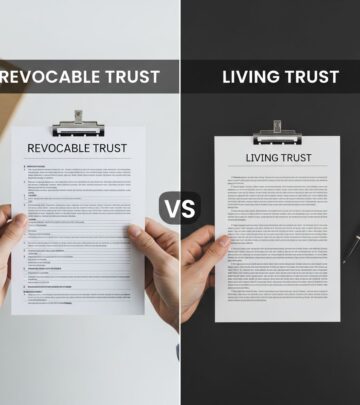
Living Trusts Explained: Complete Guide To Benefits And Setup
Discover how living trusts streamline asset distribution, bypass probate, and safeguard your legacy for future generations.

A living trust serves as a cornerstone of modern estate planning, enabling individuals to manage their assets efficiently during life and ensure seamless transfer to heirs after death. Unlike traditional wills, it operates outside the court system, offering privacy and speed.
Defining the Core Concept of a Living Trust
At its heart, a living trust is a legal entity created during an individual’s lifetime to hold and administer property. The creator, known as the grantor, transfers assets into the trust, naming themselves or another as trustee to oversee management. Beneficiaries receive distributions per the grantor’s instructions, either immediately upon death or under specified conditions.
This arrangement is typically revocable, meaning the grantor retains full authority to amend, revoke, or retitle assets at any time. It contrasts with irrevocable trusts, which lock in terms permanently for potential tax advantages. The flexibility makes revocable living trusts popular for personal estate strategies.
Key Roles in Operating a Living Trust
- Grantor: The person establishing the trust and initially funding it with assets like real estate, investments, or bank accounts.
- Trustee: Manages trust assets; often the grantor initially, with a successor named for incapacity or death scenarios.
- Successor Trustee: Steps in seamlessly to handle affairs without court intervention if the primary trustee cannot serve.
- Beneficiaries: Individuals or entities designated to benefit from the trust, such as family members, charities, or pets.
These roles ensure continuity, with the successor trustee empowered to pay bills, manage properties, and distribute assets per the trust document.
Primary Advantages Over Traditional Wills
Living trusts excel in several areas where wills fall short, providing practical and emotional relief to families.
Eliminating the Probate Bottleneck
Probate, the court-overseen validation of a will, often drags on for months or years, incurring fees up to 5% of estate value in some states. Trusts bypass this entirely, allowing immediate asset transfer to beneficiaries, saving time and reducing administrative costs significantly.
Maintaining Financial Confidentiality
Wills become public records during probate, exposing asset details to creditors, opportunists, or curious parties. Trusts remain private, shielding family finances from public scrutiny and potential disputes.
Seamless Management During Incapacity
If illness or injury impairs decision-making, a successor trustee assumes control without needing conservatorship proceedings, which are costly and invasive. This feature protects assets and ensures ongoing care payments.
Enhanced Control Over Distributions
Trusts permit customized terms, such as staggered payouts to minors at ages 25, 30, and 35, or incentives for education and milestones. This prevents squandering inheritances and aligns with the grantor’s values.
| Feature | Will | Living Trust |
|---|---|---|
| Probate Required | Yes | No |
| Privacy | Public | Private |
| Incapacity Handling | Court Conservatorship | Successor Trustee |
| Distribution Flexibility | Limited | Highly Customizable |
| Cost Savings | High Fees | Lower Long-Term |
Addressing Common Misconceptions
Many assume trusts are only for the ultra-wealthy, but they benefit estates of all sizes, especially those with real estate or out-of-state properties. Another myth: trusts avoid all taxes—they don’t shield against income or estate taxes but streamline administration. Finally, a trust doesn’t replace a will; a pour-over will captures any unfunded assets.
Step-by-Step Process to Establish a Living Trust
- Assess Your Estate: Inventory assets, debts, and family dynamics to determine trust needs.
- Consult Professionals: Engage an estate attorney to draft documents tailored to state laws.
- Draft and Execute: Sign the trust agreement, often with notarization and witnesses.
- Fund the Trust: Retitle assets (e.g., deeds, account titles) into the trust’s name—critical for effectiveness.
- Appoint Key Roles: Name successor trustees and beneficiaries clearly.
- Review Periodically: Update for life changes like marriage, divorce, or births.
Costs range from $1,000-$3,000 for attorney fees, far less than probate expenses over time.
Who Stands to Gain the Most from a Living Trust?
- Property owners, particularly with real estate in multiple states.
- Parents of minors or dependents with special needs.
- Business owners protecting operations and succession.
- High-net-worth individuals with complex portfolios.
- Singles or elderly without immediate family oversight.
- Those prioritizing privacy and rapid asset transfer.
Even modest estates benefit if avoiding court delays aligns with goals.
Potential Drawbacks and Mitigation Strategies
Upfront costs and funding effort deter some, but long-term savings outweigh these. Irrevocable trusts suit tax minimization better, while revocable ones prioritize flexibility. Always pair with a will and powers of attorney for comprehensiveness.
Integration with Broader Estate Strategies
Combine living trusts with life insurance policies naming the trust as beneficiary to cover estate taxes or equalize inheritances. For blended families, specify spousal life estates to balance current and future interests.
Frequently Asked Questions
Does a living trust save on taxes?
No, revocable living trusts do not reduce estate taxes since grantors retain control. Irrevocable versions may qualify for exclusions.
Can I be the trustee of my own living trust?
Yes, most grantors serve as initial trustees for full management access.
What happens if I don’t fund the trust?
Unfunded assets pass via will, potentially through probate—defeating the purpose.
Are living trusts valid in all states?
Yes, but formalities vary; consult local counsel.
How often should I update my trust?
After major life events or every 3-5 years.
Real-World Applications and Case Scenarios
Consider a retiree owning a vacation home: A trust avoids ancillary probate in that state. For young parents, it safeguards college funds with controlled disbursements. Business owners use trusts to prevent forced sales during probate delays.
In summary, living trusts empower proactive legacy building, minimizing burdens on loved ones while maximizing control and efficiency.
References
- Reasons You Should Have a Living Trust — Cali Law. 2020-11-01. https://www.mycalilaw.com/articles/2020/november/reasons-you-should-have-a-living-trust/
- Six signs you need a trust — TIAA. 2024-01-15. https://www.tiaa.org/public/invest/services/wealth-management/perspectives/living-trust-estate-planning
- 4 benefits of a living trust — FreeWill. 2023-05-10. https://www.freewill.com/learn/benefits-of-a-living-trust
- 7 Things You Should Know About Living Trusts — Drexel University. 2024-03-01. https://giving.drexel.edu/ways-to-give/gift-planning-blog/2024/march/7thing
- What is a revocable living trust? — Consumer Financial Protection Bureau. 2023-11-20. https://www.consumerfinance.gov/ask-cfpb/what-is-a-revocable-living-trust-en-1775/
Similar Articles








Read full bio of medha deb