Living In A Tiny House: 12 Pros And Cons To Consider
Discover how living in a tiny house can drastically cut your housing costs, simplify your life, and offer freedom from debt.
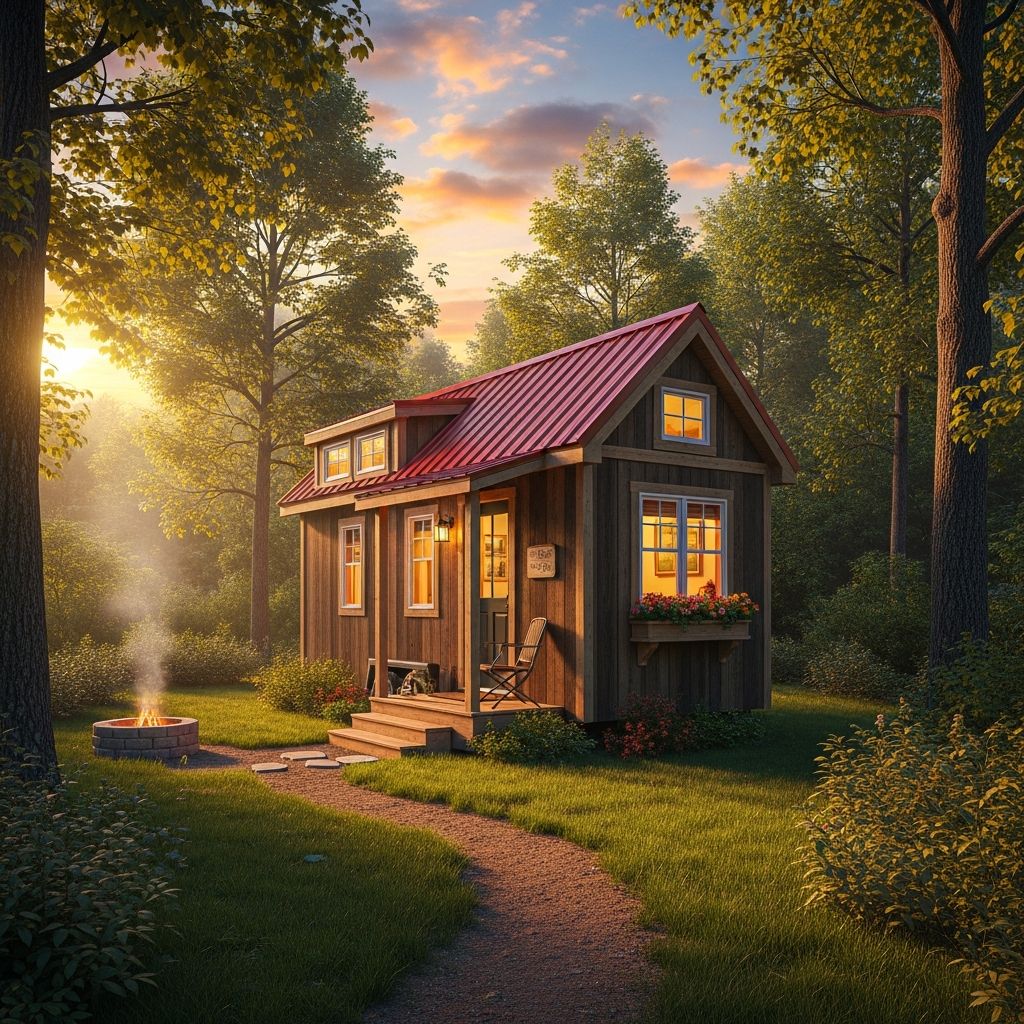
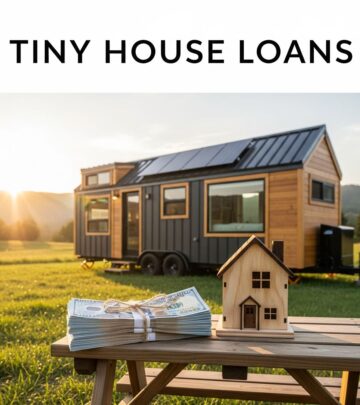
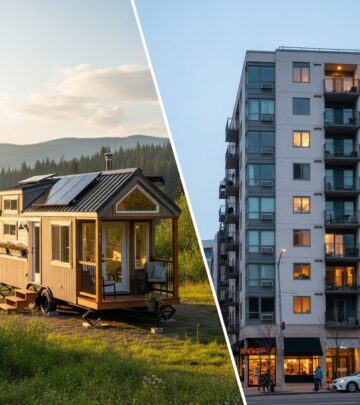
Tiny houses offer a radical approach to housing that prioritizes minimalism, affordability, and sustainability. These compact dwellings, often under 400 square feet, appeal to those tired of high mortgages and oversized homes. By downsizing, residents can slash living expenses, pay off debt faster, and embrace a simpler life. However, the lifestyle demands adaptation to limited space and unique legal hurdles.
What Is a Tiny House?
A
tiny house
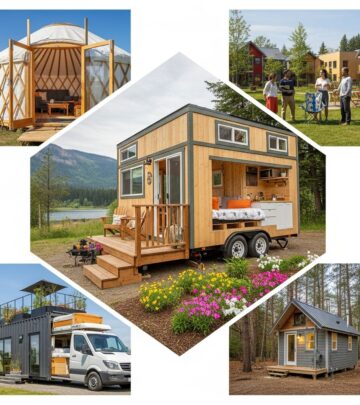
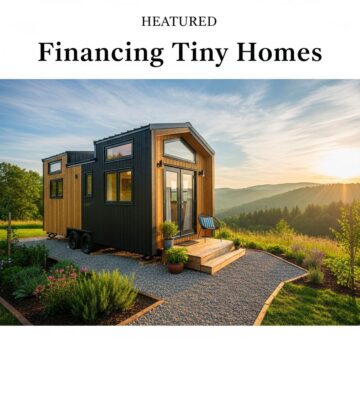
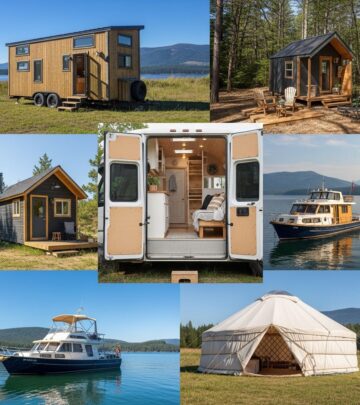
is typically a small dwelling ranging from 100 to 400 square feet, built on wheels for mobility or on a foundation for permanence. Unlike RVs, tiny houses emphasize custom design, high-quality materials, and home-like features such as lofts, full kitchens, and bathrooms. They emerged from the tiny house movement in the early 2000s, inspired by Thoreau’s Walden and a backlash against consumer culture.Tiny homes come in various styles: trailer-based for nomads, park models for communities, or site-built for rural lots. Key features include multifunctional furniture, energy-efficient appliances, and clever storage solutions to maximize every inch.
How Much Does a Tiny House Cost?
The cost of a tiny house varies widely based on size, materials, labor, and customizations. Professional builds range from $25,000 to $125,000. For instance, Tumbleweed Tiny House Company’s 161-square-foot Elm model costs $66,000, or $410 per square foot. Larger deluxe models reach $124,900 for 400 square feet.
Budget options exist through DIY builds. Rocky Mountain Tiny Houses offers a 136-square-foot model for $27,350 ($201 per square foot). Self-builders like Andrew and Gabriella Morrison constructed theirs for $33,089, including appliances and a composting toilet—equating to about $65 per square foot excluding labor. The average tiny home, including trailer, materials, plans, and appliances, costs $25,000-$30,000. Extreme budget builds, like Sage’s $4,000 gypsy wagon, are possible with salvaged materials and full DIY effort.
| Type | Size (sq ft) | Cost | Cost per sq ft |
|---|---|---|---|
| Tumbleweed Elm | 161 | $66,000 | $410 |
| Rocky Mountain | 136 | $27,350 | $201 |
| Morrison DIY | ~350 (incl. loft) | $33,089 | $65 |
| Average | 100-400 | $25,000-$30,000 | Varies |
Land costs add significantly; expect $50,000+ for a lot in tiny home communities. Ongoing expenses like utilities are low due to insulation and solar options.
Pros of Living in a Tiny House
- Drastically Lower Costs: Mortgages vanish; many pay cash. Monthly expenses drop to $200-$500 for utilities and insurance.
- Debt Freedom: Affordable builds allow quick payoff, freeing income for travel or savings.
- Minimalist Lifestyle: Forces decluttering, reducing consumerism and stress. Stories like Jennifer Fuist’s transition from hoarding to tiny living highlight transformative freedom.
- Mobility and Flexibility: Trailer homes relocate easily, ideal for nomads or job changes.
- Environmental Benefits: Smaller footprint means less energy use. Solar panels and composting toilets promote sustainability.
- Stronger Relationships: Limited space fosters closeness; no room for isolation.
Cons of Living in a Tiny House
- Limited Space: Cooking, storage, and entertaining are challenging. Lofts serve as bedrooms but feel cramped.
- Zoning and Legal Issues: Many areas ban tiny homes or classify them as RVs, restricting parking. Compliance varies by locality.
- Resale and Financing: Banks rarely finance; resale market is niche.
- Weather and Comfort: Extreme climates test insulation; winters can be cold without upgrades.
- Family Limitations: Best for singles, couples, or small families. Children may outgrow quickly.
- Maintenance Access: Plumbing and wiring repairs are tough in tight spaces.
Tiny House Lifestyle: A Day in the Life
Mornings start with coffee in a compact kitchen. Multitasking rules: the dining table doubles as a workspace. Evenings involve cozy lofts for reading. Residents like 80-year-old women in senior tiny home communities thrive on reduced costs post-retirement. Daily chores are quick—laundry at laundromats or compact washers save time.
Customization shines: hidden cabinets, fold-down desks, and under-bed storage. Off-grid options include solar power and rainwater collection, cutting bills further.
Ways to Save Money on a Tiny House
DIY is key to affordability. Learn via online plans and YouTube tutorials, but hire pros for electrical/plumbing.
- Source Used Materials: Craigslist, Freecycle, Habitat ReStores for doors, windows, cabinets—adapt designs accordingly.
- Simple Designs: Skip luxuries; focus on essentials like insulation and sturdy trailers.
- Group Builds: Join workshops or tiny house rallies for shared knowledge and bulk buys.
- Off-Grid Features: Solar kits ($1,000-$5,000) eliminate electric bills; composting toilets ($1,400) avoid septic costs.
- Land Hacks: Family property, RV parks, or tiny home villages (lots from $50,000).
Real Tiny House Stories
Jennifer Fuist, a former hoarder, purged possessions to fit into a tiny home on wheels, gaining clarity and financial relief. The Morrisons’ $33K build proved DIY viability for experienced builders. Post-2008 crisis families, scarred by foreclosures, eyed tiny homes as stable alternatives. Seniors in tiny communities enjoy cozy, affordable retirements.
Challenges persist: one family post-foreclosure struggled with partial payments leading to auction. Yet, many report happiness outweighing sacrifices.
Tiny House Communities and Alternatives
Communities like Earthship Village offer eco-tiny options ($200K-$600K plus lots), with solar and water recycling. Rammed-earth tiny homes use recycled tires/cans for durability at lower costs via DIY. Smaller conventional homes also save: reduced utilities, taxes, maintenance.
Frequently Asked Questions (FAQs)
Are tiny houses legal everywhere?
No. Zoning laws vary; some areas allow them as ADUs, others prohibit. Check local codes and consider RV parks.
Can families live in tiny houses?
Yes, but space limits larger families. Ideal for 1-3 people with creative storage.
How do you finance a tiny house?
Cash, personal loans, or RV loans. Traditional mortgages are rare.
What’s the average tiny house utility cost?
$200-$500/month, lower off-grid.
Can you build a tiny house for under $10,000?
Yes, with DIY and salvaged materials, like Sage’s $4K build.
Is Tiny House Living Right for You?
If you crave simplicity, lower costs, and adventure, yes. Test via tiny home rentals or van life. The movement grows amid housing crises, offering resilience. Start small: declutter and calculate savings.
References
- Hoarder gets rid of stuff to move into a tiny home — Middletown Press / Kristin Hanes. 2019-01-22. https://www.middletownpress.com/lifestyle/article/hoarder-jennifer-fuist-tiny-home-on-wheels-clutter-13552701.php
- Tiny Houses and Rammed-Earth Homes — The Penny Hoarder. N/A. https://www.thepennyhoarder.com/home-buying/tiny-houses-rammed-earth-homes/
- 5 Reasons Why Smaller Homes Can Save You Big Money — The Penny Hoarder / Nicole Dow. N/A. https://www.thepennyhoarder.com/home-buying/small-homes-increasing/
- The American Nightmare: 10 Years After the Financial Crisis — The Penny Hoarder (YouTube). 2018-10-12. https://www.youtube.com/watch?v=iKPG_l1P7lk
- 80-Year-Old Woman’s Cozy and Affordable Tiny Home — YouTube. N/A. https://www.youtube.com/watch?v=WU89BKRo34g
Similar Articles








Read full bio of medha deb