Comprehensive List of Irregular Expenses to Budget For
Master irregular expenses with our complete guide to planning and budgeting for unpredictable costs.

Understanding Irregular Expenses: A Comprehensive Guide
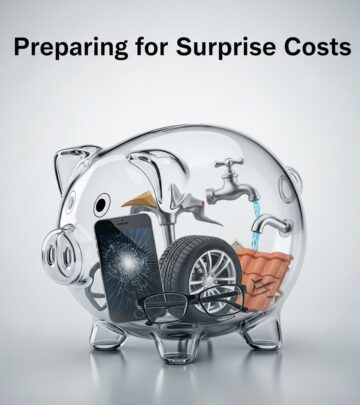
Managing personal finances can be challenging, especially when dealing with expenses that don’t follow a predictable monthly pattern. Irregular expenses are costs that occur infrequently but can be anticipated with reasonable certainty. Unlike monthly bills such as rent or utilities, irregular expenses might happen quarterly, semi-annually, or annually. Understanding what qualifies as an irregular expense and how to plan for it is essential for maintaining financial stability and avoiding debt.
The key distinction between irregular expenses and true emergencies lies in predictability. An emergency is an unexpected event with unpredictable costs, such as a sudden medical crisis or emergency car repair caused by an accident. Irregular expenses, on the other hand, are costs you know will occur, but the timing doesn’t align with your standard monthly budget. By identifying and planning for these expenses, you can prevent financial stress and maintain your emergency fund for genuine unexpected situations.
What Qualifies as an Irregular Expense?
Irregular expenses are those that occur on a less frequent schedule than monthly but remain largely predictable. They represent a middle ground between everyday recurring bills and true financial emergencies. These are expenses you can reasonably anticipate will occur within the next twelve months, even if you don’t know the exact timing or amount.
Several characteristics define irregular expenses. First, they don’t appear on your monthly billing calendar. Second, you can estimate roughly how much they will cost based on past experiences or industry standards. Third, they typically occur at specific times during the year or at set intervals. Fourth, they are necessary expenses rather than discretionary purchases. Understanding these characteristics helps you distinguish between irregular expenses and other financial obligations.
Common Categories of Irregular Expenses
Organizing irregular expenses into categories helps create a more manageable budgeting system. The main categories typically include automotive, medical, housing, business, and education-related expenses. Within each category, multiple specific expenses might fall, each with its own timing and estimated costs.
Automotive Expenses
Vehicle maintenance and repairs represent a significant category of irregular expenses for most households. Oil changes, tire rotations, brake service, and other preventive maintenance typically occur at specific mileage intervals. Beyond routine maintenance, you might face irregular costs for new tires, battery replacements, or unexpected repairs. Registration renewal fees, vehicle inspections, and annual smog checks also qualify as irregular automotive expenses that occur once yearly. By tracking your vehicle’s maintenance schedule and past repair costs, you can estimate how much to set aside monthly for this category.
Medical and Dental Expenses
Healthcare costs frequently fall into the irregular expense category. Prescription medications obtained on a 90-day supply schedule represent a predictable but non-monthly expense. Dental cleanings and check-ups often occur twice yearly, while eye exams and glasses or contact lens replacements happen periodically. Deductibles for health insurance claims and co-pays for specialist visits add to these costs. The specific medications and treatments you need may vary, but you can reasonably estimate annual healthcare expenses based on your medical history and insurance coverage.
Housing and Property Maintenance
Homeowners face numerous irregular housing expenses throughout the year. Quarterly sewer and trash bills, semi-annual property tax payments, and annual homeowner’s insurance premiums are common examples. Home maintenance expenses such as gutter cleaning, HVAC system servicing, furnace inspections, and seasonal preparations also fall into this category. Pest control services, pool maintenance, and landscaping work might occur at specific times. Renters face fewer irregular housing costs but might budget for annual lease renewals or occasional maintenance requests. Property managers and landlords should anticipate costs for repairs, maintenance, and upgrades that extend beyond standard monthly operating expenses.
Education-Related Expenses
Parents and students face predictable educational expenses that don’t occur monthly. School supplies purchased at the beginning of each semester or school year represent significant irregular costs. Tuition payments, activity fees, and sports-related expenses might be billed quarterly or semi-annually rather than monthly. Testing fees for standardized exams, yearbook purchases, and graduation-related costs are additional educational expenses to anticipate. By planning for these costs in advance, you can avoid last-minute financial stress and maintain your regular budget.
Business and Tax-Related Expenses
Self-employed individuals and business owners must budget for irregular business expenses. Quarterly estimated tax payments represent mandatory irregular expenses that significantly impact cash flow. Professional services such as accounting assistance, legal consultations, and tax preparation occur annually or as needed. Business licenses, permits, and professional memberships typically renew yearly. Equipment maintenance, software renewals, and professional development courses also fall into this category. For business owners, properly budgeting for these expenses ensures compliance with tax obligations and maintains professional service quality.
Complete List of Irregular Expenses
Here’s a comprehensive breakdown of expenses that commonly fall into the irregular category:
Automotive
- Oil changes and fluid checks
- Tire rotation and replacement
- Brake service and replacement
- Battery replacement
- Annual vehicle inspections
- Vehicle registration renewal
- Smog checks and emissions testing
- Seasonal maintenance (winterization, AC servicing)
- Major repairs (transmission, engine work)
Medical and Health
- 90-day prescription supplies
- Annual dental cleanings and checkups
- Eye exams and vision correction updates
- Specialist consultations and treatments
- Medical procedure co-pays
- Health insurance deductibles
- Preventive care screenings
- Mental health counseling sessions
Housing and Home Maintenance
- Quarterly sewer and trash collection fees
- Semi-annual property tax payments
- Annual homeowner’s insurance premiums
- HVAC system maintenance and inspections
- Furnace servicing and chimney cleaning
- Pest control services
- Gutter cleaning and roof inspections
- Pool opening and closing services
- Major appliance repairs or replacements
Personal and Family
- Gifts for holidays and special occasions
- Holiday decorations and celebrations
- Haircuts and salon services
- Pet veterinary checkups and vaccinations
- Pet grooming
- Clothing replacements (seasonal or as needed)
Education and Professional Development
- School supplies at semester start
- Tuition payments and activity fees
- Standardized testing fees
- Yearbook purchases
- Professional licenses and certifications
- Continuing education courses
- Professional conference attendance
Business and Tax
- Quarterly estimated tax payments
- Annual tax preparation services
- Business license renewals
- Professional memberships
- Software and subscription renewals
- Equipment maintenance and upgrades
- Legal services and consultations
How to Budget for Irregular Expenses
Creating an effective budget for irregular expenses involves a systematic approach that transforms unpredictable costs into manageable monthly savings targets.
Step 1: Create a Comprehensive List
Begin by reviewing your past year’s spending to identify all irregular expenses you’ve incurred. Check bank statements, credit card statements, and receipts to uncover costs you might overlook. Ask yourself: What bills did I pay that weren’t monthly? What costs surprised me? What services did I use that charge on different schedules? This thorough review ensures you capture all relevant irregular expenses.
Step 2: Estimate Annual Costs
For each irregular expense, estimate how much it will cost over the next twelve months. If you have historical data, use it to inform your estimates. For example, if your vehicle maintenance costs $600 last year, that’s a reasonable estimate for the coming year. If you’re unsure, estimate conservatively on the high side to avoid shortfalls. Remember, these are rough estimates, not exact figures.
Step 3: Categorize Your Expenses
Group your irregular expenses into five to seven main categories: automotive, medical, housing, business, education, and personal. This organization creates a clearer picture of where your money goes and helps identify which categories require the most attention in your budget.
Step 4: Calculate Annual Category Totals
Add up all expenses within each category to determine how much you need annually for each area. For instance, if quarterly trash bills total $150 each and you have quarterly exterminator costs of $100, your housing category annual total would be $1,000 ($600 for trash plus $400 for exterminator).
Step 5: Divide by Twelve and Add Buffer
Divide your total annual irregular expenses by twelve to determine your monthly savings target. However, some financial experts recommend dividing by ten instead, which creates a built-in buffer for unexpected variations. For example, if your annual irregular expenses total $2,400, dividing by twelve equals $200 monthly. Using the ten-month approach yields $240 monthly, providing extra cushion.
Step 6: Set Up Separate Accounts or Envelopes
Create a dedicated irregular expense fund or separate savings account where you deposit your monthly allocation. This physical or mental separation prevents you from accidentally spending the money on discretionary purchases. Some people use the envelope system with actual cash envelopes, while others maintain separate accounts through their bank.
Strategies for Managing Irregular Expenses with Limited Cash Flow
If your monthly budget is tight, managing irregular expenses requires strategic planning. Start by prioritizing essential irregular expenses over optional ones. Next, look for opportunities to reduce the frequency or cost of certain expenses. For example, you might extend oil change intervals or negotiate lower rates for professional services. Consider timing significant expenses during months when your cash flow is stronger, if possible. Additionally, look for ways to increase your income temporarily during slow financial periods to boost your irregular expense fund.
Using Technology and Tools
Modern budgeting tools make tracking irregular expenses easier. Spreadsheet applications allow you to create detailed expense tracking systems with automatic calculations. Budgeting apps like EveryDollar, YNAB (You Need A Budget), and others offer specific features for handling irregular expenses. Online calculators can help estimate future costs based on current information. By leveraging these tools, you gain better visibility into your spending patterns and can make more informed budgeting decisions.
Frequently Asked Questions
Q: What’s the difference between an irregular expense and an emergency?
A: An irregular expense is anticipated and predictable, while an emergency is unexpected. Breaking your wrist requires emergency medical care you couldn’t budget for specifically. Filling regular prescriptions on a 90-day cycle is an irregular expense you can plan for, even if the exact timing varies.
Q: How much should I keep in my irregular expense fund?
A: Most financial advisors recommend maintaining a balance equal to your largest possible irregular expense need in a short period. If your maximum potential irregular expenses in a month is $1,200, keep that amount available as a cushion.
Q: Should I use my emergency fund for irregular expenses?
A: No, your emergency fund should remain separate and untouched for true emergencies. Proper irregular expense budgeting prevents the need to tap your emergency fund, protecting it for genuine unexpected situations.
Q: How do I handle irregular expenses that vary significantly year to year?
A: For variable expenses, calculate an average of the past three years to establish your estimate. This approach smooths out anomalies and provides a more stable planning baseline. Adjust annually based on actual spending.
Q: Can I combine all irregular expenses into one fund or should they be separate?
A: You can combine them into one fund for simplicity or create category-specific accounts if you prefer detailed tracking. Choose the method that best matches your financial management style and discipline level.
Q: What if I don’t have enough money to fully fund my irregular expense budget?
A: Start with what you can afford and gradually increase contributions. Prioritize essential expenses like medical and auto maintenance. As your budget improves, increase your irregular expense savings to eventually reach your full target amount.
References
- Budgeting Basics: How Do You Plan For Irregular Expenses? — Man vs. Debt. Accessed November 2025. https://manvsdebt.com/irregular-expenses/
- The Best Way to Budget for Irregular Expenses — Michael Saves. Accessed November 2025. https://michaelsaves.com/save-money/google-sheets-budget-irregular-expenses/
- Saving for Irregular Expenses: Practical Tips & Strategies — Credit Canada. Accessed November 2025. https://www.creditcanada.com/blog/saving-for-irregular-expenses
Similar Articles








Read full bio of medha deb