Linfield University McMinnville Campus: Academic Excellence & Student Life
Discover Linfield University's McMinnville Campus: Premier liberal arts education with strong academics and vibrant student community.
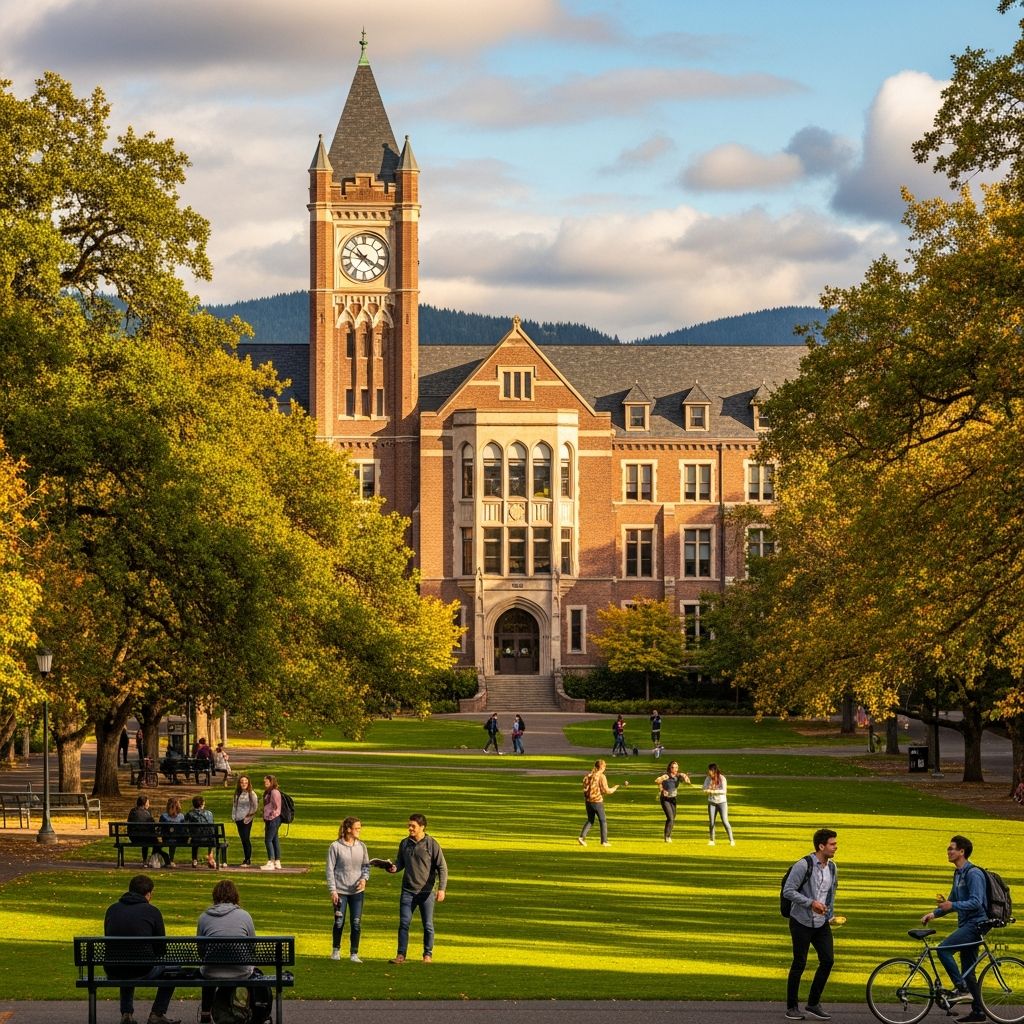
Linfield University McMinnville Campus: Your Guide to Academic Excellence
Linfield University’s McMinnville Campus stands as one of the Pacific Northwest’s most distinguished liberal arts institutions, offering students an uncommon educational experience on its sprawling 189-acre campus. As a private, coeducational college with deep roots in Oregon’s educational heritage, Linfield combines rigorous academics with a vibrant student community. The institution has earned recognition for its commitment to student success, faculty engagement, and innovative learning opportunities that prepare graduates for meaningful careers and engaged citizenship.
Campus Overview and Facilities
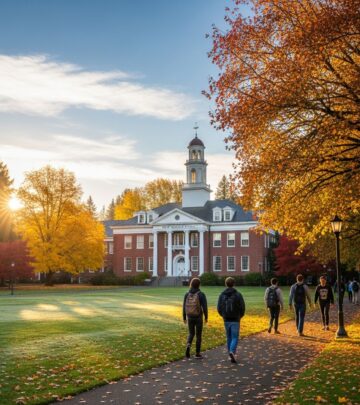
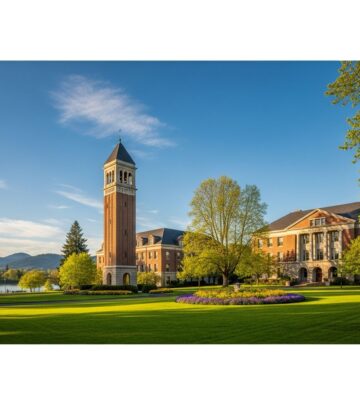
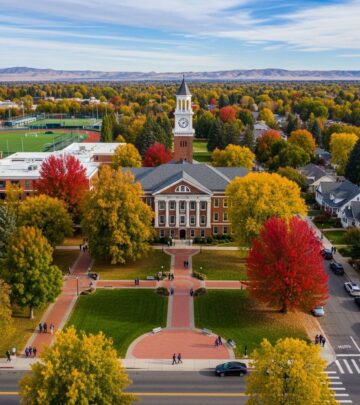
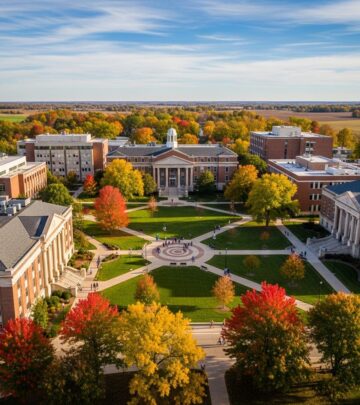
The McMinnville Campus occupies 189 beautifully maintained acres that serve as the home for the College of Arts and Sciences and the School of Business. This park-like setting provides students with a serene yet intellectually stimulating environment. The campus features state-of-the-art facilities designed to support comprehensive liberal arts education and professional development.
Notable facilities include the Miller Fine Arts Center and Linfield Gallery, which showcase student and professional artwork throughout the academic year. The Vivian A. Bull Music Center provides world-class performance spaces and practice facilities for music students and ensembles. The Kenneth W. Ford Hall and Marshall Theatre host theatrical productions, lectures, and cultural events that enrich campus life.
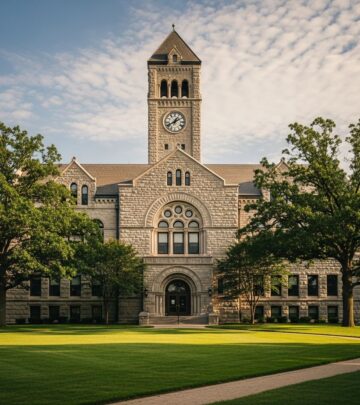
Historic Pioneer Hall, constructed in 1883, remains the oldest building on campus and is listed on the National Register of Historic Places, serving as a tangible connection to the institution’s 165-year educational legacy. The campus underwent significant expansion in the late 1990s when the institution acquired a former Hewlett-Packard property adjacent to the original campus, more than doubling available space and opening new possibilities for academic and residential growth.
Academic Programs and Offerings
Degree Options and Majors
Linfield University offers students an extensive selection of 55+ academic majors and programs spanning diverse disciplines. The curriculum reflects a commitment to comprehensive liberal arts education that encourages intellectual exploration and specialized expertise. Students benefit from a faculty dedicated to mentorship and personalized instruction.
The institution maintains a student-to-faculty ratio of 10:1, significantly better than the U.S. national average of 21:1. This exceptional ratio ensures that students receive individualized attention and meaningful interaction with faculty members who serve as mentors, advisors, and scholarly collaborators.
Innovative Learning Formats
Beyond traditional classroom instruction, Linfield employs a Four-One-Four academic calendar that includes online classes, summer sessions, and combined degree programs. The institution offers Air Force ROTC for qualified students and requires some programs to include cooperative education and internship components, ensuring students gain practical experience in their fields.
Classroom sizes reflect the institution’s commitment to close student-faculty interaction, with 83% of classes containing 2-19 students, 14% containing 20-39 students, and only 1% containing 40-99 students. This distribution ensures that even introductory courses maintain an intimate learning environment.
Study Abroad Opportunities
A distinctive feature of a Linfield education is its robust study abroad program. Nearly half of all students graduate with study abroad course credit, gaining international perspectives and cross-cultural competencies essential in today’s interconnected world. These experiences range from semester-long exchanges to faculty-led short-term programs in diverse locations worldwide.
Admissions and Enrollment
Admissions Statistics
Linfield University maintains an 89% acceptance rate, reflecting its commitment to accessible excellence. The institution welcomes new enrollments for both fall and spring semesters, providing flexibility for prospective students. In the most recent application cycle, 2,122 students applied for undergraduate admission.
The average incoming student demonstrates strong academic credentials with a 3.6 GPA and average composite ACT score of 22 and SAT score of 1140. However, the institution recognizes that standardized test scores represent only one dimension of student potential, reflecting contemporary best practices in holistic admissions review.
Application Requirements and Process
Linfield employs a test-optional admissions policy, allowing applicants to decide whether to submit standardized test scores. Required application materials include official transcripts, and the institution accepts both Common Application and institutional applications.
The college operates on rolling admissions, meaning applications are accepted throughout the academic year. However, students benefit from submitting applications by key deadlines:
| Application Type | Application Deadline | Reply Deadline |
|---|---|---|
| Early Action | November 1 | May 1 |
| Fall Regular Decision | February 1 | May 1 |
The institution accepts Advanced Placement course credit and dual enrollment credits, allowing academically prepared students to advance their degree progress.
Financial Accessibility
With an average net price of $27,951, Linfield strives to make quality education affordable. The institution demonstrates commitment to first-generation students through the Linfield First scholarship program. The Financial Aid office works diligently to ensure that qualified students receive substantial scholarship and grant funding to support their educational goals.
Notably, Linfield does not consider applicants’ financial circumstances when making admissions decisions, maintaining a need-blind admissions policy that ensures all qualified students receive fair consideration regardless of ability to pay.
Academic Performance and Student Success
Linfield demonstrates exceptional graduation rates that far exceed national averages. Approximately 63% of students graduate within four years, compared to the U.S. national average of 28%. The six-year graduation rate reaches 75%, compared to the national average of 52%. These impressive figures reflect effective academic support systems, engaged faculty mentorship, and student commitment to degree completion.
Campus Life and Student Community
Residential Experience
Linfield maintains a vibrant residential community with 74% of undergraduates living on campus, fostering meaningful peer connections and intellectual engagement beyond the classroom. While on-campus housing is not required for freshmen, 79% choose to live on campus, indicating the strength of residential life programming and community building.
The institution provides diverse housing options and ensures disability housing accommodations are available to support all student needs.
Student Demographics and Diversity
The student body reflects considerable diversity across multiple dimensions. The campus population includes representation from 20 U.S. states and 11 countries, creating an internationally and geographically diverse learning community. The ethnic composition includes Hispanic students (20%), Asian/Pacific Islander students (7%), Multiracial students (7%), White students (60%), with smaller representations of African American and Native American students (1% each), and 2% of students with unknown ethnicity.
The gender distribution shows 35% male and 65% female students, while 30% of students are first-generation college students, demonstrating the institution’s commitment to expanding educational access.
Student Organizations and Resources
With 60 student organizations, Linfield offers diverse opportunities for involvement and community engagement. The institution actively supports LGBTQIA student resources and cultural student resource groups, creating inclusive spaces where all students feel valued and supported.
Student Testimonials
Student experiences at Linfield highlight the institution’s distinctive character. One McMinnville student notes that “Linfield is a small liberal arts college with strong academic programs. The professors go out of their way to help students whenever needed.” Another student emphasizes how “Linfield College has great professors who encourage you to come see them whether you need help or just want to chat. The campus is small and intimate so wherever you go, you see people you know.”
Additional testimonials highlight the supportive community: “Linfield College is a small private school that boasts an extremely friendly atmosphere amongst students as well as professors. The quality of education that is offered here is truly second to none because of the skilled faculty that is always willing to guide students.”
Athletics and Recreation
Varsity Athletics
Linfield University competes in NCAA Division III as the Wildcats, representing the institution’s school colors of purple and cardinal red. The athletic program emphasizes student-athlete development, academic excellence, and competitive integrity.
The men’s varsity sports program includes baseball, basketball, cross country, football, golf, soccer, swimming, tennis, and track and field, with 276 male student-athletes competing across these programs. Women’s athletics encompass volleyball, basketball, cross country, golf, soccer, swimming, tennis, and track and field, among other sports, with 191 female student-athletes representing the university.
Linfield competes in the Northwest Conference, competing against peer institutions throughout the region.
Intramural Sports
Beyond varsity athletics, the institution offers 16 intramural sports, ensuring that all students, regardless of competitive aspirations, can participate in organized athletic activities and recreation.
Institutional Identity and Heritage
Linfield University, formerly known as Linfield College, officially changed its name in 2020 to reflect its expanded mission and growing academic profile. The institution traces its origins to 1858 when the Oregon Territorial Legislature chartered the Baptist College at McMinnville. The school later became McMinnville College in 1898 before ultimately adopting the Linfield College name.
In 1881, the college relocated to its present McMinnville location following a gift from Samuel Cozine and his wife, establishing the foundation for the contemporary 189-acre campus. This long institutional history demonstrates Linfield’s deep commitment to educational excellence and community engagement in the Pacific Northwest.
Campus Expansion and Modern Development
Linfield’s commitment to growth and modernization is evident in its recent campus expansion. In February 2021, the institution opened a new 20-acre Portland Campus to house its School of Nursing, acquired from the University of Western States. This expansion demonstrates the university’s dedication to expanding educational access and meeting regional workforce needs in healthcare.
The nursing school campus includes 11 buildings and expanded learning facilities designed to support contemporary nursing education. In September 2024, Linfield dedicated Loveridge Hall on its Portland campus in honor of Emily Loveridge, founder of the Good Samaritan nursing school, creating a historical exhibit that honors her pioneering nursing legacy in the Pacific Northwest.
Frequently Asked Questions
What is the acceptance rate at Linfield University McMinnville Campus?
Linfield University maintains an 89% acceptance rate, reflecting its commitment to accessible excellence while maintaining strong academic standards.
Does Linfield require standardized test scores?
No, Linfield employs a test-optional admissions policy, allowing applicants to decide whether to submit SAT or ACT scores as part of their application.
What is the average net price for attending Linfield?
The average net price is $27,951, and the institution offers need-blind admissions and the Linfield First scholarship program for first-generation students.
What percentage of Linfield students study abroad?
Nearly half of all Linfield students graduate with study abroad course credit, gaining international perspectives and cross-cultural competencies.
What is the student-to-faculty ratio?
Linfield maintains a 10:1 student-to-faculty ratio, significantly better than the U.S. national average of 21:1, ensuring personalized instruction and meaningful faculty mentorship.
What percentage of students live on campus?
Approximately 74% of undergraduates live on campus, with 79% of freshmen choosing residential life, creating a vibrant residential community.
How many majors does Linfield offer?
Linfield University offers 55+ academic majors and programs spanning diverse disciplines within the liberal arts tradition.
What are Linfield’s graduation rates?
Approximately 63% of students graduate within four years (compared to 28% nationally), and 75% graduate within six years (compared to 52% nationally).
Conclusion
Linfield University’s McMinnville Campus represents a premier destination for students seeking rigorous liberal arts education combined with a supportive, engaging campus community. With exceptional faculty-student engagement, comprehensive academic programs, robust study abroad opportunities, and strong graduation rates, Linfield prepares graduates for meaningful careers and active citizenship. The institution’s commitment to accessibility, diversity, and student success—evidenced through need-blind admissions, first-generation scholarships, and personalized mentorship—makes quality education available to talented students from diverse backgrounds. Whether students aspire to careers in business, arts and sciences, or other fields, Linfield University provides the intellectual resources, practical opportunities, and supportive community necessary to thrive and achieve their educational and professional goals.
References
- Linfield University – Mcminnville, OR — Appily.com. Accessed November 29, 2025. https://www.appily.com/colleges/linfield-university
- Linfield University — Wikipedia. Last updated 2024. https://en.wikipedia.org/wiki/Linfield_University
- Campus Maps — Linfield University Official Website. Accessed November 29, 2025. https://www.linfield.edu/about/campus-maps/index.html
- Linfield University: Explore the Uncommon — Linfield University Official Website. Accessed November 29, 2025. https://www.linfield.edu
Similar Articles








Read full bio of medha deb