Line of Credit vs Credit Card: Key Differences
Understand the key differences between lines of credit and credit cards to choose the right borrowing option.

Line of Credit vs Credit Card: Which One Is Right for You?
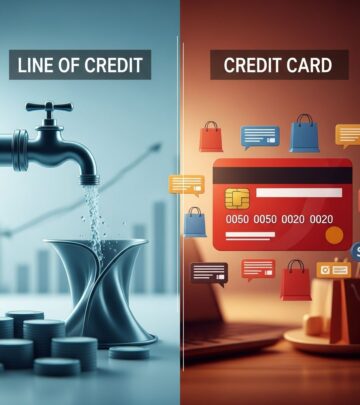
When it comes to managing your finances and accessing credit, you have several options available. Two of the most common choices are personal lines of credit and credit cards. While both are forms of revolving credit that provide flexible borrowing options, they have significant differences that can impact your financial decisions. Understanding these distinctions is essential for choosing the right borrowing tool for your specific situation.
Whether you’re planning a large home improvement project, dealing with unexpected medical expenses, or simply looking for a convenient way to make everyday purchases, the choice between a line of credit and a credit card can have substantial implications for your finances. This guide will help you navigate these options by examining the key differences, advantages, and disadvantages of each.
Understanding the Basics: What Are Lines of Credit and Credit Cards?
Both personal lines of credit and credit cards are revolving credit products, meaning you can borrow, repay, and borrow again up to your approved credit limit. However, the way you access and use these funds differs considerably.
A personal line of credit is an arrangement with a lender that allows you to borrow up to a certain approved amount and access those funds as needed, typically through checks or bank transfers. You pay interest only on the amount you actually borrow, not on the entire credit limit. This flexibility makes lines of credit particularly useful for ongoing expenses or situations where you’re uncertain about the exact amount you’ll need to spend.
A credit card, on the other hand, is a financial tool that comes with a predetermined credit limit and allows you to make purchases by swiping, tapping, or using a virtual card number. Credit cards are widely accepted by merchants worldwide and have become an essential part of everyday financial life for millions of people.
Key Differences Between Lines of Credit and Credit Cards
Interest Rates
One of the most significant differences between these two credit products is the interest rate. Personal lines of credit typically offer lower interest rates than credit cards. The average APR on credit cards has consistently hovered above 20% since November 2022. In contrast, lines of credit may feature single-digit interest rates, though the exact rate depends on your creditworthiness and the lender. Some lines of credit can be as low as the prime rate plus 2.25%, while others may reach 35% or higher.
The reason for this difference often relates to how lines of credit are structured. If you secure your line of credit with collateral, such as your home (creating a Home Equity Line of Credit or HELOC), you’ll typically receive an even lower interest rate than an unsecured personal line of credit. Since secured lines of credit are backed by an asset, lenders face less risk and can offer more favorable terms.
Credit Limits
Lines of credit generally offer higher credit limits than credit cards. Credit limits for lines of credit typically start at $5,000 and can reach into the six figures, depending on your credit history and the lender’s policies. In comparison, credit card limits often start lower, typically ranging from $500 to $5,000 for new cardholders, though high-limit credit cards may offer starting limits closer to $10,000 to $25,000.
This difference in credit limits makes lines of credit more suitable for substantial expenses or situations where you need access to a larger pool of funds. If you’re planning a significant home renovation or need to cover extended medical expenses, a line of credit’s higher limit can provide the financial flexibility you need.
Rewards and Benefits
Credit cards offer numerous rewards and benefits that lines of credit typically do not provide. Most credit cards offer cash back, rewards points, sign-up bonuses, or travel miles. Additionally, credit cards often come with supplementary benefits such as extended warranty protection, purchase protection, travel insurance, and auto rental insurance.
Lines of credit, by contrast, generally do not offer rewards programs or additional perks. If earning rewards on your spending is important to you, a credit card would be the better choice. However, if your priority is minimizing interest expenses rather than accumulating rewards, a line of credit might serve you better.
How You Access Funds
The methods for accessing credit differ between these two products. With a credit card, you simply swipe, tap, or use a virtual card number at the point of sale, making purchases instantly. This convenience makes credit cards ideal for everyday transactions at physical and online retailers.
A line of credit typically requires you to access funds through checks, bank transfers, or other methods arranged with your lender. This distinction matters if you need immediate access to funds for everyday purchases, as lines of credit may not be accepted at retail locations the way credit cards are.
Interest-Free Grace Periods
Credit cards typically offer an interest-free grace period, usually lasting around 21 days, during which you won’t accrue interest on purchases if you pay your balance in full by the due date. This grace period is a significant advantage for everyday spending, as you can make purchases and have time to pay them off without paying any interest.
Lines of credit, conversely, begin accruing interest immediately upon withdrawal. There is no grace period, meaning you start paying interest as soon as you access the funds. This is an important consideration when deciding which product to use for your financial needs.
Fees and Costs
Credit cards typically do not charge fees for accessing your available credit, unlike personal lines of credit, which may include withdrawal fees. Additionally, credit cards may come with annual fees (though many no-fee options exist), while lines of credit have their own fee structures that vary by lender. Some lines of credit might charge origination fees or maintenance fees.
Comparison Table: Lines of Credit vs Credit Cards
| Feature | Personal Line of Credit | Credit Card |
|---|---|---|
| Interest Rate | Variable; typically lower (often single digits to 35%) | Variable; typically higher (18-30% average) |
| Credit Limit | Often higher ($5,000 to six figures) | Often lower ($500-$25,000) |
| Rewards & Benefits | None | Cash back, points, bonuses, insurance coverage |
| Grace Period | No interest-free grace period | Typically 21 days interest-free |
| Access to Funds | Checks, bank transfers | Card swipe, tap, virtual number |
| Withdrawal Fees | May apply | Typically no fees |
| Availability | More limited; requires good to exceptional credit | Widely available across credit ranges |
| Best For | Large purchases, ongoing expenses, emergencies | Everyday purchases, building credit history |
When to Use a Line of Credit
A personal line of credit is particularly useful in specific situations where its advantages outweigh those of credit cards. Consider using a line of credit when:
You need to make a large purchase: Whether it’s funding a home renovation, covering major car repairs, or handling substantial medical expenses, a line of credit’s higher credit limit and lower interest rate make it more economical than a credit card.
You face unexpected emergencies: Surprise home repairs, ongoing medical treatments, or other unforeseen expenses can be costly. A line of credit allows you to access funds quickly without knowing the exact total upfront. You can draw funds as bills arrive and pay interest only on what you actually use.
You need funds over an extended period: If you anticipate needing to borrow money over several months or longer, a line of credit’s lower interest rate means you’ll pay significantly less in interest charges compared to carrying a credit card balance.
You want to avoid cash advance fees: Credit cards typically charge cash advance fees when you withdraw cash, but lines of credit generally do not charge such fees.
You want to maintain a separate debt account: If you prefer to keep specific debt separate from your other accounts, a line of credit allows you to manage that separate obligation independently.
When to Use a Credit Card
Credit cards remain the better choice for many everyday financial situations. Use a credit card when:
You’re making everyday purchases: For routine expenses like groceries, gas, clothing, and daily necessities, credit cards are the most convenient and practical option. The 21-day grace period means you can make purchases and pay them off without interest if you pay your balance in full.
You want to earn rewards: Credit cards allow you to accumulate cash back, rewards points, or travel miles on your purchases, providing real financial value over time. If you’re already going to spend the money anyway, why not earn rewards in the process?
You need merchant acceptance: Credit cards are accepted virtually everywhere—online, in physical stores, and internationally. A line of credit doesn’t offer this universal acceptance.
You’re building your credit history: Both products contribute to your credit history, but credit cards are more commonly used and recognized by credit bureaus. Using a credit card responsibly and paying your balance on time can help you build a strong credit score.
You can pay off your balance quickly: If you only borrow smaller amounts that you can pay off completely within the grace period, you’ll pay no interest while enjoying the convenience and rewards of a credit card.
Pros and Cons of Each Option
Line of Credit Advantages
Personal lines of credit offer several compelling advantages that make them attractive for specific financial situations:
Lower interest rates: The most significant advantage is that lines of credit typically offer lower interest rates than credit cards, potentially saving you hundreds or thousands of dollars in interest charges on larger balances.
Higher credit limits: Access to larger amounts of credit makes lines of credit suitable for substantial expenses that might exceed typical credit card limits.
Interest only on what you use: You’re only charged interest on the amount you actually borrow, not on the entire credit limit.
Flexible access: Once approved, you can access funds whenever you need them without reapplying, providing ongoing financial flexibility.
Separate account management: Keeping this debt separate from other credit accounts allows for easier tracking and management of specific obligations.
Line of Credit Disadvantages
Despite their benefits, lines of credit have several drawbacks worth considering:
Variable interest rates: Interest rates on lines of credit can change at any time at the lender’s discretion, making your borrowing costs unpredictable.
Risk of overspending: Easy access to funds might encourage overspending and lead to financial difficulties if you’re not disciplined.
No grace period: Interest accrues immediately, so you can’t benefit from an interest-free period like you might with a credit card.
Longer repayment periods: If you only make minimum payments, a line of credit can take a very long time to pay off completely.
Limited availability: Lines of credit are typically reserved for borrowers with good to exceptional credit, making them less accessible than credit cards for those with lower credit scores.
Credit Card Advantages
Credit cards offer numerous benefits that explain their popularity:
Widely accepted: Credit cards are accepted at millions of locations worldwide, making them incredibly convenient for everyday transactions.
Rewards and benefits: Most credit cards offer cash back, points, or other rewards that provide real value, plus additional perks like purchase protection and travel insurance.
Grace period: The interest-free grace period allows you to avoid interest charges if you pay your balance in full each month.
Easier to obtain: Credit cards are more widely available across different credit score ranges, making them accessible to more people.
Building credit: Using a credit card responsibly is an excellent way to build and improve your credit score.
Credit Card Disadvantages
Credit cards also have drawbacks that might make them less suitable in certain situations:
Higher interest rates: If you carry a balance, credit card interest rates are typically much higher than lines of credit, resulting in more expensive borrowing.
Lower credit limits: Credit card limits are generally lower than lines of credit, which may be insufficient for large expenses.
Minimum monthly payments: Credit cards require minimum monthly payments, and carrying a balance can lead to substantial interest charges.
Annual fees: Some credit cards charge annual fees, though many fee-free options are available.
Temptation to overspend: The ease of using a credit card can lead to overspending if you’re not careful about managing your finances.
Credit Requirements and Availability
Another important distinction between these two credit products is their availability. Credit cards are available to a wide range of borrowers, including those with fair or lower credit scores. Many card issuers offer products specifically designed for people building or rebuilding their credit.
Lines of credit typically have stricter requirements and are usually reserved for borrowers with good to exceptional credit. This makes lines of credit less accessible for those with limited credit history or lower credit scores. If you’re still building your credit profile, a credit card might be your only option between these two products.
Frequently Asked Questions
Q: Can I use a line of credit for everyday purchases like I would a credit card?
A: While technically possible, it’s generally not advisable. Lines of credit don’t have a grace period, so you’d immediately start paying interest on everyday purchases. Additionally, they’re not accepted at retail locations like credit cards are, making them impractical for most everyday spending.
Q: Which option is better for someone with average credit?
A: A credit card is likely the better option if you have average credit, as they’re more widely available. Lines of credit typically require good to excellent credit scores, so you might not qualify. Focus on using a credit card responsibly to build your credit score over time.
Q: Do I have to use the entire credit limit on a line of credit?
A: No. One of the advantages of a line of credit is that you only pay interest on the amount you actually borrow. You can have a $20,000 line of credit and only borrow $5,000 if that’s all you need.
Q: Can I switch between using a line of credit and a credit card?
A: Yes. There’s no reason you can’t have both and use each for their intended purposes—a credit card for everyday purchases and rewards, and a line of credit for large expenses or emergencies.
Q: What happens if I don’t use my line of credit?
A: If you don’t use your line of credit, you typically won’t pay any interest charges. The lender might charge an annual maintenance fee (though not all do), but you won’t accrue interest on unused credit.
Q: Are there tax implications for using a line of credit versus a credit card?
A: Generally, personal use borrowing (whether through a line of credit or credit card) doesn’t have tax implications for the interest paid. However, if you use either product for business purposes, you may be able to deduct interest expenses. Consult a tax professional for your specific situation.
Q: How does using each option affect my credit score?
A: Both products contribute to your credit history and affect your credit score similarly. What matters is your payment history (making payments on time), credit utilization ratio (how much of your available credit you use), and the length of your credit history. Responsible use of either product can help build your credit.
Making Your Decision
Choosing between a line of credit and a credit card ultimately depends on your financial situation, spending patterns, and specific needs. Consider the following decision factors:
Nature of your expense: Is it a one-time large purchase or ongoing everyday spending? Large purchases favor a line of credit, while everyday spending favors a credit card.
Your credit score: Do you have good to excellent credit? If so, a line of credit might be available to you. If not, a credit card is likely your better option.
Interest rate tolerance: Can you pay off your balance quickly, or will you carry it for months? If you’ll carry a balance, the lower interest rate of a line of credit becomes more attractive.
Value of rewards: Do you want to earn rewards on your spending? Only credit cards offer this benefit.
Convenience factor: Do you need a product that’s widely accepted and easy to use for everyday transactions? Credit cards win here.
In many cases, the ideal approach is to have both products available to you. Use your credit card for everyday purchases where you can take advantage of the grace period and rewards, and maintain a line of credit for larger expenses, emergencies, or situations where you need lower interest rates. This way, you can optimize your borrowing strategy and minimize your overall interest costs while maximizing rewards and convenience.
References
- Line of Credit vs Credit Card: Which One’s Best? — American Express. November 2025. https://www.americanexpress.com/en-us/credit-cards/credit-intel/line-of-credit-vs-credit-card/
- Line of Credit vs Credit Card: What’s the Difference? — All Community Credit Union. November 2025. https://www.allcomcu.org/line-of-credit-creditcard/
- How Does a Line of Credit Compare to a Credit Card? — NerdWallet Canada. November 2025. https://www.nerdwallet.com/ca/p/article/credit-cards/line-of-credit-vs-credit-card
- Personal Line of Credit vs. Credit Card: Which Is Better? — Experian. November 2025. https://www.experian.com/blogs/ask-experian/personal-line-of-credit-vs-credit-card/
- Line of Credit vs Credit Card: Key Differences — Capital One. November 2025. https://www.capitalone.com/learn-grow/money-management/line-of-credit-vs-credit-cards/
- How is a Line of Credit Different From a Credit Card? — Nav. November 2025. https://www.nav.com/blog/how-is-a-line-of-credit-different-from-a-credit-card-688238/
- Pros and Cons of a Personal Line of Credit — U.S. Bank. November 2025. https://www.usbank.com/financialiq/manage-your-household/personal-finance/pros-and-cons-personal-line-of-credit.html
Similar Articles








Read full bio of medha deb