Line Of Credit Explained: Uses, Risks, And Smart Tips
Discover how lines of credit provide flexible borrowing options for personal and business needs with lower rates than credit cards.

A line of credit offers borrowers ongoing access to a predetermined pool of funds, allowing draws as needed up to a set limit, with interest charged solely on the borrowed amount. This revolving arrangement differs from lump-sum loans by enabling repeated borrowing and repayment cycles, providing financial agility for both individuals and businesses.
Core Mechanics of Revolving Credit Access
At its foundation, a line of credit establishes a maximum borrowing cap based on the borrower’s credit profile, income stability, and sometimes collateral. Once approved, users receive access via checks, debit cards, or direct transfers, drawing funds flexibly without reapplying each time. Repayments reduce the outstanding balance, restoring availability up to the limit, while interest accrues only on utilized portions—often at variable rates tied to benchmarks like the prime rate.
Monthly obligations typically include minimum payments covering interest plus a portion of principal, though full repayment accelerates availability. Draw periods can span years, followed by potential repayment-only phases, making this tool ideal for bridging short-term gaps rather than long-term funding.
Secured and Unsecured Borrowing Variants
Lines of credit split into secured and unsecured categories, each suiting different risk tolerances and qualifications. Secured versions require assets like homes, vehicles, or inventory as backing, lowering lender risk and thus interest rates—often with terms extending to a decade. Default risks asset seizure, but qualification eases for those with moderate credit.
Unsecured lines demand no collateral, relying on credit scores and income verification, resulting in higher rates and stricter approval criteria. They appeal to those avoiding asset pledges, though limits may cap lower, and rates exceed secured counterparts significantly.
| Feature | Secured Line of Credit | Unsecured Line of Credit |
|---|---|---|
| Collateral Required | Yes (e.g., property, vehicle) | No |
| Interest Rates | Lower (less risk to lender) | Higher |
| Credit Score Needed | Moderate to good | Good to excellent |
| Approval Ease | Higher | Lower |
| Term Length | Up to 10 years possible | Shorter, revolving |
Personal Lines for Individual Financial Flexibility
Personal lines of credit function as unsecured revolving accounts, akin to credit cards but with typically lower variable rates, aiding expenses like home repairs, medical bills, or debt consolidation. Freelancers and gig workers benefit from this buffer during irregular income periods, avoiding costlier payday alternatives.
Draws fund diverse needs without fixed disbursements, with payments scaling to usage. Long draw periods—often years—permit anytime access, though hard credit inquiries during application may temporarily ding scores.
Business Applications and Operational Advantages
For enterprises, lines of credit serve as cash flow stabilizers, funding payroll, inventory, or opportunities amid seasonal fluctuations. Unlike term loans disbursing full sums upfront with immediate full interest, credit lines charge only on drawn amounts, optimizing costs for unpredictable needs.
Business variants often secure against receivables or equipment, easing qualification for established firms. They enable rapid responses to emergencies or growth, repayable and reusable without reapplication, though misuse risks debt spirals.
- Manages irregular revenues effectively.
- Supports short-term operational expenses.
- Provides quick funding without new approvals.
Key Advantages Across Use Cases
Flexibility stands paramount: borrow precisely what’s needed, repay to replenish, and repeat, minimizing idle funds’ interest costs. Rates generally undercut credit cards, especially secured options, while overdraft protection links safeguard checking accounts.
- Cost-efficient interest on used amounts only.
- Revolving access without repeated applications.
- No-collateral choices for qualified borrowers.
- Cushions cash flow volatility.
Potential Drawbacks and Risk Management
Despite merits, variable rates can escalate with market shifts, inflating payments unexpectedly. Qualification demands solid credit and finances; startups or poor-credit entities often face denials or steep terms. Overreliance fosters debt accumulation, as easy access tempts unnecessary draws.
Hard inquiries impact scores, and secured defaults jeopardize assets. Responsible use treats it as a safety net, not routine funding, with budgeting to ensure repayments.
Contrasting with Traditional Term Loans
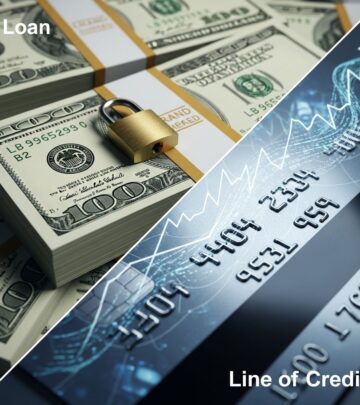
Term loans deliver fixed lump sums for specific purposes like equipment, with consistent payments over set periods and interest on full amounts from day one. Lines of credit, conversely, offer on-demand flexibility for variable needs, paying interest solely on active balances—ideal when timing or quantum is uncertain.
| Aspect | Line of Credit | Term Loan |
|---|---|---|
| Fund Disbursement | As needed, up to limit | Lump sum upfront |
| Interest Calculation | On drawn balance only | On entire amount |
| Repayment Flexibility | Revolving, reusable | Fixed schedule |
| Best For | Cash flow gaps, ongoing needs | Specific large purchases |
| Risk Level | Higher for lender (flexible use) | Lower (tied purpose) |
Qualification Criteria and Application Insights
Lenders assess credit scores (typically 670+ FICO for unsecured), debt-to-income ratios under 40%, stable income, and business history for commercial lines. Secured options loosen thresholds via collateral. Applications involve financial statements, tax returns, and inquiries triggering score dips.
Shopping multiple lenders reveals competitive rates, with credit unions often favoring members. Pre-approval checks minimize hard pulls.
Strategic Tips for Optimal Utilization
Align usage with genuine short-term needs, monitoring balances to curb debt. Pay more than minimums to slash interest and restore limits swiftly. Track rate changes, refinancing if fixed options emerge favorably. Pair with emergency savings for holistic planning.
Businesses should forecast cash flows, using lines for bridges rather than expansions. Regularly review terms for renewal clauses or rate hikes.
Frequently Asked Questions
What exactly constitutes a line of credit?
A preset borrowing limit from which funds are drawn as needed, with interest on used portions only, enabling reuse post-repayment.
How do secured and unsecured lines differ in practice?
Secured back with assets for better rates; unsecured rely on creditworthiness, carrying higher costs but no lien risks.
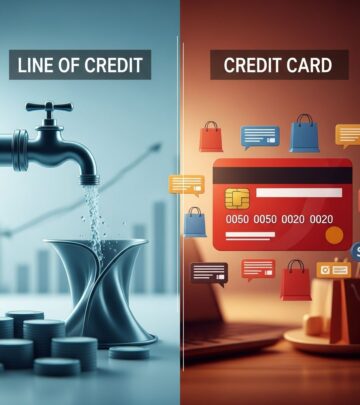
Are lines of credit preferable to credit cards?
Often yes, due to lower rates and higher limits, though lacking rewards; best for planned borrowing.
Can businesses with new operations secure one?
Challengesome without history; secured or alternative lenders may help, prioritizing cash flow proofs.
What occurs post-draw period?
Repayment phase may follow, halting new draws until balances clear, per lender terms.
References
- What is a line of credit? Different types and how they work — Capital One. 2026-01-22. https://www.capitalone.com/learn-grow/money-management/line-of-credit/
- Line of Credit 101: What It Is and How It Works — FCSAmerica. N/A. https://www.fcsamerica.com/resources/learning-center/what-is-a-line-of-credit
- A Loan or A Line of Credit? What Is Best For Your Business — Sunflower Bank. N/A. https://www.sunflowerbank.com/about-us/resource-articles/a-loan-or-a-line-of-credit-whats-best-for-your-business/
- What Is a Line of Credit & How Does It Work? — GTFederal Credit Union. N/A. https://www.gtfcu.org/articles/what-is-a-line-of-credit–how-does-it-work
- Pros & Cons of a Business Line of Credit — Armed Forces Bank. N/A. https://www.afbank.com/article/pros-and-cons-of-a-business-line-of-credit
- What Is A Personal Line Of Credit And How Does It Work? — Bankrate. N/A. https://www.bankrate.com/loans/personal-loans/what-is-a-personal-line-of-credit/
- Pros and cons of a personal line credit — U.S. Bank. N/A. https://www.usbank.com/financialiq/manage-your-household/personal-finance/pros-and-cons-personal-line-of-credit.html
Similar Articles








Read full bio of Sneha Tete