Line of Credit: Definition, Types, and How It Works
Understanding lines of credit: A flexible borrowing option for individuals and businesses.
What Is a Line of Credit?
A line of credit is a flexible borrowing arrangement that allows individuals and businesses to access funds up to a predetermined credit limit. Unlike traditional loans where you receive a lump sum upfront, a line of credit functions as a revolving credit facility. This means you can borrow money, repay it, and borrow again as needed, similar to how a credit card operates. You only pay interest on the amount you actually borrow, not on the full credit limit available to you.
Lines of credit have become increasingly popular among both consumers and business owners because they offer flexibility and convenience. They serve as a safety net for unexpected expenses or provide working capital for business operations without requiring collateral in some cases.
How a Line of Credit Works
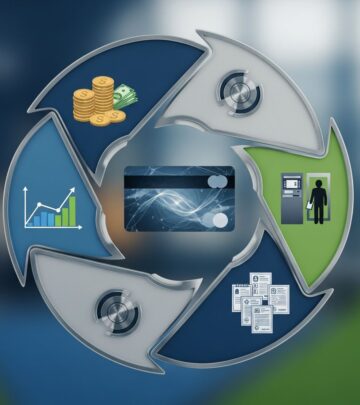
When a lender approves you for a line of credit, they establish a maximum borrowing amount based on factors such as your creditworthiness, income, and financial history. Here’s the typical process:
- Approval: The lender reviews your credit score, income, and financial situation to determine eligibility and the credit limit amount.
- Access: Once approved, you receive access to the funds through a checkbook, debit card, or online account portal.
- Borrowing: You can withdraw funds as needed, up to your credit limit.
- Repayment: You make monthly payments on the amount borrowed, plus interest.
- Availability: As you repay the borrowed amount, that portion becomes available to borrow again.
Most lines of credit require minimum monthly payments that cover interest and potentially a portion of the principal. The interest rate may be fixed or variable, depending on the specific agreement with your lender.
Types of Lines of Credit
Lines of credit come in various forms, each designed for different financial situations and borrower profiles. Understanding the distinctions between types can help you choose the most appropriate option for your needs.
Secured Lines of Credit
A secured line of credit requires collateral—typically a valuable asset such as a home, vehicle, or savings account. The lender holds a claim against this collateral if you default on your obligations. Because the lender has recourse if you fail to repay, secured lines of credit generally offer lower interest rates and higher credit limits. Home equity lines of credit (HELOCs) are a common example of secured lines of credit.
Unsecured Lines of Credit
An unsecured line of credit does not require collateral. Lenders approve these based primarily on your creditworthiness, income, and financial history. Because lenders assume greater risk without collateral, unsecured lines of credit typically feature higher interest rates and lower credit limits compared to secured options. Most personal lines of credit fall into this category.
Business Lines of Credit
Businesses use lines of credit to manage cash flow, fund operations, or finance growth initiatives. These can be secured or unsecured depending on the business’s financial position and the lender’s requirements. Commercial lines of credit are particularly valuable for seasonal businesses or those with uneven revenue streams.
Home Equity Lines of Credit (HELOC)
A HELOC is a secured line of credit that uses your home’s equity as collateral. It typically offers lower interest rates than unsecured lines of credit because the lender’s risk is reduced. HELOCs are popular for funding major expenses such as home renovations, education costs, or debt consolidation.
Line of Credit vs. Loan
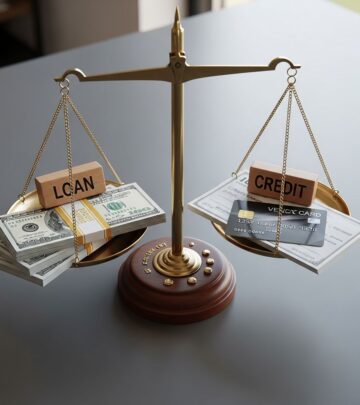
While both lines of credit and loans are borrowing products, they differ significantly in structure and usage:
| Feature | Line of Credit | Loan |
|---|---|---|
| Funding Structure | Revolving; borrow, repay, and borrow again | Lump sum disbursed upfront |
| Interest Charges | Only on borrowed amount | On full loan amount from disbursement |
| Repayment Schedule | Flexible minimum payments | Fixed payment schedule |
| Use of Funds | Multiple uses as needed | Typically for specific purpose |
| Credit Limit | Predetermined maximum available | No ongoing limit |
Advantages of a Line of Credit
Lines of credit offer numerous benefits that make them attractive borrowing options:
- Flexibility: Borrow only what you need when you need it, reducing unnecessary interest payments.
- Lower Interest Costs: Pay interest only on the amount borrowed, not the full credit limit.
- Quick Access to Funds: Once approved, funds are readily available for emergencies or opportunities.
- Improves Cash Flow: Helps businesses manage seasonal fluctuations or unexpected expenses without disrupting operations.
- Building Credit: Responsible use of a line of credit can improve your credit score over time.
- No Prepayment Penalties: Most lines of credit allow you to repay early without penalties.
- Large Credit Limits: Secured lines of credit often offer substantial borrowing capacity.
Disadvantages of a Line of Credit
Despite their advantages, lines of credit come with certain drawbacks worth considering:
- Variable Interest Rates: Many lines of credit have adjustable rates that can increase, raising your borrowing costs.
- Risk of Overspending: Easy access to funds may tempt you to borrow more than necessary.
- Minimum Payment Trap: Low minimum payments might not substantially reduce your balance, extending debt repayment.
- Collateral Risk: Secured lines of credit put valuable assets at risk if you default.
- Qualification Requirements: Approval typically requires good credit and stable income.
- Annual Fees: Some lenders charge annual maintenance fees for maintaining the credit line.
- Variable Availability: Lenders may reduce or suspend your credit limit during economic downturns.
Who Should Consider a Line of Credit?
Lines of credit are particularly suitable for:
- Business Owners: Managing cash flow and funding operational needs without committing to large fixed loans.
- Homeowners: Accessing funds for renovations, education, or debt consolidation through HELOCs.
- Individuals with Variable Income: Those whose earnings fluctuate and need flexible access to funds.
- Emergency Preparedness: Having a safety net for unexpected financial situations.
- Credit-Conscious Borrowers: Those seeking to improve credit scores through responsible credit utilization.
How to Apply for a Line of Credit
The application process for a line of credit typically involves these steps:
- Research and Compare: Evaluate different lenders and their offerings to find the best terms and rates.
- Prepare Documentation: Gather financial documents including tax returns, pay stubs, and bank statements.
- Check Your Credit: Review your credit report for accuracy and understand your credit score.
- Submit Application: Complete the lender’s application form, providing personal and financial information.
- Await Approval: The lender reviews your application, conducts a credit check, and makes a decision.
- Receive Terms: If approved, you’ll receive documentation outlining the credit limit, interest rate, and terms.
- Activate Your Account: Once you accept the terms, your line of credit becomes available for use.
Interest Rates and Fees Associated with Lines of Credit
Understanding the costs associated with lines of credit is crucial for making informed decisions. Most lines of credit carry:
- Interest Rates: May be fixed or variable. Variable rates fluctuate based on market conditions, typically tied to the prime rate.
- Annual Percentage Rate (APR): The yearly cost of borrowing, including interest and fees.
- Annual Fees: Some lenders charge annual maintenance fees ranging from $50 to $300.
- Origination Fees: One-time fees charged when opening the line of credit, typically 1-5% of the credit limit.
- Transaction Fees: Charges for specific transactions such as wire transfers or checks.
- Late Payment Fees: Penalties for missing minimum payments.
Frequently Asked Questions
Q: What is the difference between a line of credit and a credit card?
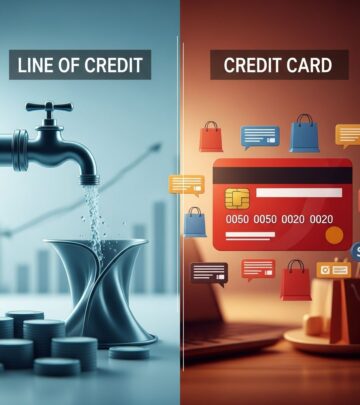
A: While both are revolving credit products, lines of credit typically offer higher credit limits and lower interest rates. Credit cards are more convenient for everyday purchases, while lines of credit are better for larger borrowing needs.
Q: How much can I borrow with a line of credit?
A: Your credit limit depends on factors including your credit score, income, existing debt, and employment history. Lenders typically approve limits ranging from $1,000 to $100,000 or more, especially for secured lines of credit.
Q: Can I lose my line of credit?
A: Yes. Lenders may suspend or close your line of credit if you default on payments, significantly damage your credit, experience a major income decrease, or if broader economic conditions prompt the lender to reduce risk.
Q: What happens if I don’t use my line of credit?
A: If you have an unused line of credit with annual fees, you’ll still be charged. However, maintaining an unused line of credit can positively impact your credit score by increasing your available credit and demonstrating responsible credit management.
Q: Is a line of credit the same as a personal loan?
A: No. Personal loans provide a one-time lump sum with a fixed repayment schedule, while lines of credit offer revolving access to funds with flexible repayment options. Lines of credit are more versatile for ongoing or variable borrowing needs.
Q: How does a line of credit affect my credit score?
A: Lines of credit can positively impact your credit score through responsible management—making timely payments and maintaining low utilization. However, late payments, high utilization, or defaults will damage your score.
Q: Can businesses get lines of credit?
A: Yes. Business lines of credit are common financing tools for managing cash flow, funding inventory, or supporting growth. Requirements typically include business financial statements and the owner’s personal credit profile.
Conclusion
A line of credit is a versatile financial tool that provides flexible access to funds for both personal and business purposes. Whether you’re a homeowner seeking funds for a major project, a business owner managing cash flow, or an individual preparing for emergencies, understanding how lines of credit work, their types, and their advantages and disadvantages can help you determine if this borrowing option is right for your situation. By carefully evaluating your needs, comparing lender offerings, and maintaining responsible borrowing habits, you can effectively leverage a line of credit to achieve your financial goals.
References
- Consumer Financial Protection Bureau: What is a line of credit? — CFPB. 2024. https://www.consumerfinance.gov/
- Federal Reserve: Understanding Credit — Board of Governors of the Federal Reserve System. 2023. https://www.federalreserve.gov/
- Small Business Administration: Financing Your Business — U.S. Small Business Administration. 2024. https://www.sba.gov/
- Experian: How a Line of Credit Works — Experian Information Solutions, Inc. 2024. https://www.experian.com/
- Office of the Comptroller of the Currency: Personal Credit and Lines of Credit — U.S. Department of the Treasury. 2023. https://www.occ.treas.gov/
Similar Articles








Read full bio of medha deb