Limited Credit History: Understanding Thin Files
Discover what a thin credit file means and strategies to strengthen your borrowing profile.
Financial institutions rely heavily on credit history to evaluate risk when making lending decisions. For individuals with minimal credit activity, this creates a significant challenge. A limited credit history—commonly referred to as a thin credit file—can restrict access to loans, increase borrowing costs, and complicate various financial transactions. Understanding what constitutes a thin file and how to address it is essential for anyone seeking to improve their financial circumstances.
Defining a Thin Credit File: What It Means for Your Financial Future
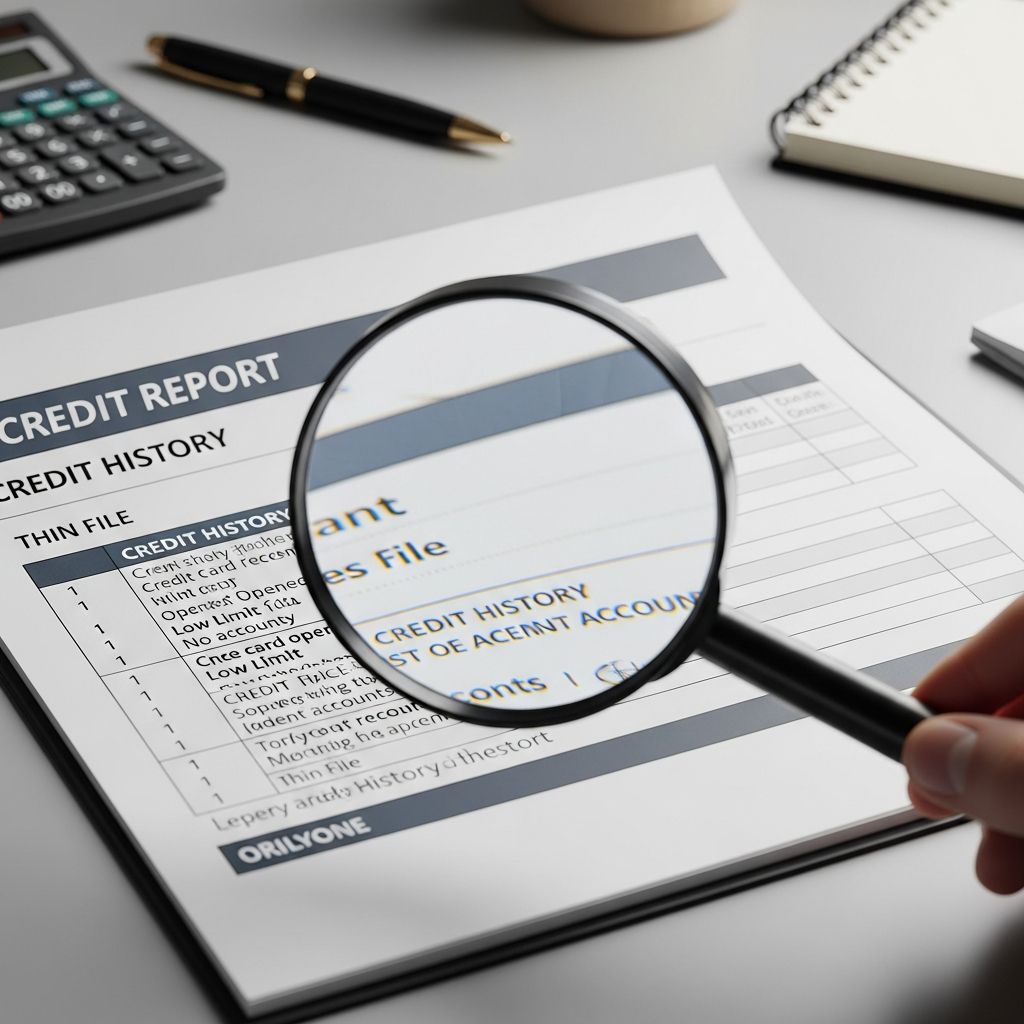
A thin credit file represents a credit report that lacks sufficient active credit accounts or recent account activity for credit bureaus to accurately assess creditworthiness. Rather than a complete absence of credit history (which is termed credit invisibility), a thin file indicates limited but existing credit data. Financial institutions define thin files differently; some consider fewer than five active accounts as thin, while others may use different thresholds based on their lending criteria.
The fundamental issue with thin files stems from inadequate information. Credit scoring models require specific criteria to generate a score—typically, an account that has been open for at least six months with activity within the last six months. When these conditions aren’t met, lenders cannot properly evaluate repayment patterns or financial responsibility. This information gap creates uncertainty for creditors, making them hesitant to extend credit or approve favorable terms.
Who Experiences Thin Credit Files?
Thin credit files affect diverse populations for distinct reasons:
- Young adults and first-time borrowers: Those entering the credit system lack the years of account history that lenders typically prefer. They haven’t yet built a track record of responsible borrowing and repayment.
- Older adults with inactive accounts: Retirees or individuals who paid off debts years ago may have removed accounts from their credit profiles, resulting in insufficient current tradelines.
- Recent immigrants: Individuals relocating from other countries cannot transfer credit history; they must establish new credit profiles in their adopted nation.
- Cash-preference consumers: People who deliberately avoid credit products and rely on cash or debit cards intentionally maintain minimal credit footprints.
- Low-income communities: Economic circumstances may limit access to traditional credit products, alternative financial services that don’t report to credit bureaus, or creditworthy cosigners.
- Minority populations: Historical discrimination within the financial system has created barriers to credit access for certain groups, resulting in thinner files.
The Mechanics: How Thin Files Develop and Persist
Several scenarios create and perpetuate thin credit files. Understanding these mechanisms helps identify which strategies might apply to your situation.
Insufficient Account Diversity: Some individuals maintain only one or two credit accounts. A single credit card or auto loan, while demonstrating some creditworthiness, may not satisfy lenders’ preferences for varied credit types. Credit bureaus and lenders value different account categories—revolving credit like credit cards and installment credit like auto loans—as they demonstrate different borrowing competencies.
Time-Related Limitations: New accounts require time to establish history. Even someone opening their first credit card follows a waiting period before credit bureaus can generate a meaningful score. Similarly, when credit agreements fall off reports (typically after six years), previously thick files can thin.
Account Inactivity: Maintaining accounts without using them doesn’t strengthen files. Credit bureaus need evidence of recent activity and regular payment patterns.
Consequences Across Financial and Non-Financial Domains
A thin credit file extends beyond simple loan denial. Its impact ripples through numerous financial and personal situations:
Loan and Credit Products
The most direct impact appears when seeking loans or credit cards. Lenders cannot assess risk reliably, leading to three potential outcomes: outright denial, approval with elevated interest rates, or approval with restrictive terms. Even minor rate increases compound significantly over loan lifespans—a half-percent increase on a $300,000 mortgage adds tens of thousands in total interest.
Housing and Rental Applications
Landlords frequently request credit checks before approving rental applications. Without substantial credit history, applicants may face rejection, requirements for additional security deposits, or demands for creditworthy cosigners. This creates particular hardship for individuals seeking housing, as rental denials cascade into homelessness risks.
Utility and Service Providers
Electric, gas, water, internet, and phone service providers often check credit before establishing accounts. Those with thin files may face required deposits—essentially prepayment—before receiving essential services. These deposits represent capital that could otherwise build savings or address other needs.
Insurance Premiums and Availability
Insurance companies employ credit-based scoring models distinct from traditional credit scores. A thin file can result in elevated premiums for auto, homeowner, or renters insurance. While the mathematical connection between credit history and insurance risk remains debated, its financial impact remains real.
Employment Considerations
Some employers conduct credit checks as part of hiring processes. While this practice generates controversy, certain positions—particularly those involving financial responsibility or sensitive information—may require credit verification. Inability to produce a credit report raises identity verification concerns for employers.
Credit Scoring and Future Qualification
Credit scoring models sometimes place thin-file consumers into distinct demographic categories. This segmentation can result in lower credit scores compared to those in thick-file categories, even with identical payment histories. Improving scores requires thickening the file—expanding account diversity and demonstrating extended positive history.
Strategic Approaches to Thickening Your Credit File
Building a substantial credit file requires deliberate action and patience. Several proven strategies exist:
Secured Credit Cards as Foundation Building
Secured credit cards represent an excellent starting point for credit building. These products require cash deposits that serve as collateral, reducing lender risk. By obtaining a secured card and maintaining perfect payment records, users demonstrate responsibility to credit bureaus. After demonstrating reliability, many issuers convert secured accounts to unsecured credit cards, effectively building profile strength while eliminating the deposit requirement.
Credit-Builder Loans for Structured Growth
Credit-builder loans function distinctly from traditional borrowing. Rather than receiving funds upfront, borrowers make monthly payments toward a locked savings account. Upon completing all payments, they receive the accumulated funds. This structure allows lenders to safely extend credit to those with minimal history while providing borrowers with both credit file improvement and forced savings. Successfully completing a credit-builder loan demonstrates payment discipline across six months or more.
Becoming an Authorized User
Adding yourself as an authorized user on another person’s established credit account can accelerate file development. The account holder’s positive history and payment record may transfer to your credit report. This approach requires trust in the primary account holder, as their subsequent mismanagement affects your file. Conversely, their maintained responsibility strengthens your profile without requiring independent account management.
Credit Reporting for Alternative Payments
Some services now report non-traditional payments to credit bureaus. Rent reporting agencies, utility companies, and subscription services increasingly provide payment history to major bureaus. Enrolling in these programs creates additional positive payment records without requiring new credit products.
Addressing and Disputing Errors
Credit report errors sometimes artificially create or worsen thin files. Inaccurate account information, incorrectly reported payment statuses, or false derogatory marks can limit file strength. Federal law permits consumers to dispute errors directly with credit bureaus. Investigating your credit report through free annual reports and challenging inaccuracies can immediately improve file quality without requiring new credit development.
Timeline Expectations for Credit Development
Building a substantive credit file requires realistic timeframes. Most credit scoring models need six months of account history before generating initial scores. Achieving genuinely strong creditworthiness typically requires two to three years of consistent, flawless payment behavior. This timeline frustrates individuals seeking immediate credit improvement, but it reflects lenders’ need for extended behavioral evidence.
The positive aspect of this timeline is predictability. By maintaining accounts in good standing, most people can graduate from thin-file status within several years. Monitoring progress annually and adjusting strategies based on results accelerates development.
Alternative Considerations and Nuance
Modern credit evaluation increasingly incorporates non-traditional data. Some lenders now accept alternative payment histories—utility payments, subscription services, or rental history—through open banking connections. These alternatives don’t replace traditional credit files but supplement them, particularly for those committed to deliberately building credit through demonstrated reliability in other financial domains.
Additionally, certain credit scoring models (such as VantageScore 4.0) specifically attempt to generate scores even for consumers with few active accounts. While these scores may not carry the weight of FICO scores with traditional lenders, they represent progress toward creditworthiness assessment and should be tracked during file development.
Conclusion: From Limited History to Financial Credibility
A thin credit file presents a genuine obstacle to financial progress, but it is neither permanent nor insurmountable. By understanding how files develop, recognizing consequences, and implementing systematic strategies, individuals can transition from limited credit history to demonstrable creditworthiness. Whether beginning as a young adult, recovering from years without credit use, or rebuilding after financial challenges, the path forward requires consistent positive actions over months and years. The investment in credit development pays dividends through better loan terms, reduced deposits, lower insurance rates, and expanded financial opportunity.
References
- What does it mean if I have a ‘thin credit file’? — Intuit Credit Karma. Accessed February 2026. https://www.creditkarma.com/credit/i/what-does-it-mean-if-i-have-a-thin-file
- What Is a Thin Credit File? — Experian. July 7, 2024. https://www.experian.com/blogs/ask-experian/what-is-a-thin-credit-file-and-how-will-it-impact-your-life/
- How a ‘thin credit file’ can stop you getting a loan — NestEgg. Accessed February 2026. https://nestegg.ai/how-a-thin-credit-file-can-stop-you-getting-a-loan/
- What Is a Thin Credit File? — Citi.com. Accessed February 2026. https://www.citi.com/credit-cards/rebuild-credit/what-is-a-thin-credit-file
- What Is a Thin Credit File & How Do You Fix It? — Nav. Accessed February 2026. https://www.nav.com/resource/what-is-a-thin-credit-file/
Similar Articles








Read full bio of Sneha Tete