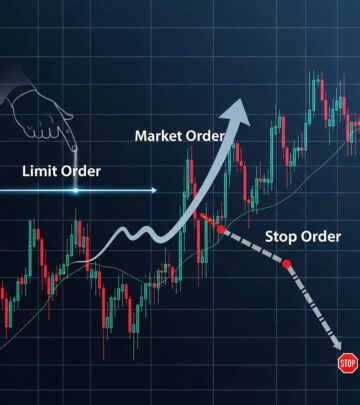
Limit Order: Definition, How It Works, and Examples
Master limit orders: Execute trades at your target price with precision and control.
What Is a Limit Order?
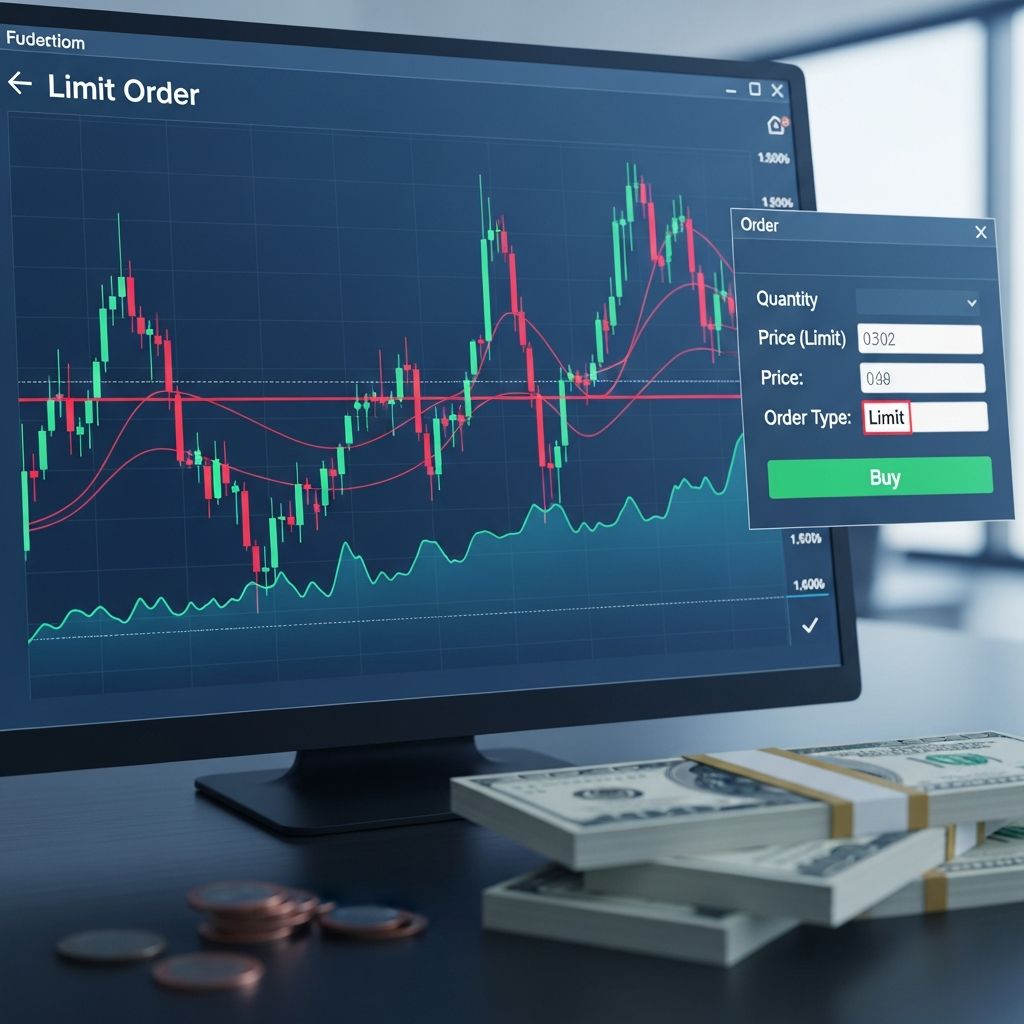
A limit order is a type of instruction that an investor places with a broker to buy or sell a security at a specified price or better. When buying, a limit order sets the maximum price an investor is willing to pay for a security. When selling, it establishes the minimum price at which the investor is willing to part with their shares. This type of order provides traders with precise control over their transaction prices, distinguishing it from market orders where execution happens at the current market price.
The primary advantage of limit orders lies in their ability to protect investors from unfavorable price movements. By setting predetermined price thresholds, traders can ensure they don’t overpay when buying or undersell when disposing of their positions. This level of control makes limit orders particularly valuable in volatile market conditions where prices can fluctuate significantly within seconds.
How Limit Orders Function
Understanding the mechanics of limit orders is essential for any investor looking to optimize their trading execution. When you place a limit order, you’re essentially creating a conditional instruction that only becomes actionable when specific price criteria are met.
The Execution Process
When an investor places a limit order to buy, the broker enters the order into the market. The order will only execute if the security’s price drops to the specified limit price or lower. Similarly, a sell limit order will only execute if the market price reaches the limit price or climbs above it. The order remains active in the market, waiting for these conditions to be satisfied. If the security never reaches the specified price during the order’s validity period, the order remains unfilled and eventually expires.
Most brokers allow investors to set an expiration date for their limit orders, typically ranging from a single trading day (day orders) to 60 days or longer (good-till-canceled orders). This flexibility enables traders to maintain orders across multiple trading sessions without constantly resetting their instructions.
Price Priority and Queue Systems
When multiple limit orders exist at the same price level, exchanges typically execute them in the order they were received, following a “first-in, first-out” principle. This queuing system means that earlier orders receive priority for execution. Understanding this mechanism helps investors recognize that placing limit orders early in the trading day may provide better execution chances at popular price points.
Advantages of Limit Orders
Limit orders offer several compelling benefits for investors at all experience levels:
- Price Control: Investors maintain absolute control over the price at which their trades execute, preventing unexpected price slippage
- Cost Efficiency: By ensuring better execution prices, limit orders can reduce the overall cost of building or liquidating positions
- Volatility Protection: During market turbulence, limit orders protect investors from panic-selling or overpaying during temporary price spikes
- Passive Trading: Once placed, limit orders work automatically in the background, allowing investors to focus on other activities or opportunities
- Lower Emotional Impact: The predetermined nature of limit orders removes emotional decision-making from trading, promoting disciplined investing
- Gap Protection: While not guaranteed, limit orders can help protect against sudden price gaps that might occur due to earnings announcements or major news events
Disadvantages of Limit Orders
Despite their advantages, limit orders come with notable limitations that investors should understand:
- Execution Risk: There is no guarantee that a limit order will execute, particularly if the market price never reaches the specified threshold
- Missed Opportunities: Setting limit prices too far from current market rates may result in missed trading opportunities if prices move in the desired direction but don’t reach the limit
- Partial Fills: Large orders may only partially fill, leaving investors with incomplete positions that require additional transactions
- Complexity: Managing multiple limit orders across various securities can become complicated and require active monitoring
- Slippage in Fast Markets: In rapidly moving markets, prices may flash through limit prices so quickly that execution becomes impossible
- Time Decay: As expiration dates approach, the probability of execution may decrease if market conditions don’t align with order parameters
Limit Orders Versus Market Orders
Understanding the differences between limit orders and market orders is crucial for selecting the appropriate order type for your trading strategy.
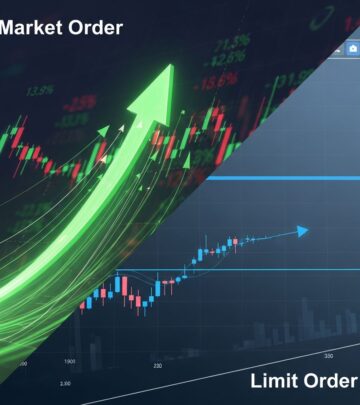
| Feature | Limit Order | Market Order |
|---|---|---|
| Price Control | Maximum/minimum price specified | No price control; executes at market price |
| Execution Guarantee | No guarantee of execution | Execution virtually guaranteed |
| Speed of Execution | May take time or not execute at all | Immediate execution |
| Price Slippage Risk | Protected from slippage | Significant slippage risk possible |
| Best Used For | Strategic, non-urgent trades | Urgent trades requiring immediate execution |
| Trading Costs | Potentially lower execution costs | May incur higher costs due to unfavorable pricing |
Types of Limit Orders
Various limit order variations exist to accommodate different trading strategies and market conditions:
Buy Limit Orders
A buy limit order allows an investor to specify the maximum price they’re willing to pay for a security. This order type is particularly useful when purchasing stocks during market downturns or when waiting for a security to reach a predetermined support level. For example, an investor might place a buy limit order for a stock currently trading at $150 with a limit price of $140, betting that the price will decline to that level.
Sell Limit Orders
Sell limit orders establish the minimum price at which an investor is willing to sell their shares. This type protects investors from selling during temporary price dips and helps ensure they capture gains when prices reach specific targets. An investor holding shares purchased at $100 might place a sell limit order at $150 to automatically execute the sale once the stock appreciates to that price.
One-Cancels-Other (OCO) Orders
An OCO order is a more sophisticated limit order variant that places two related orders simultaneously. When one order executes, the other automatically cancels. This strategy is particularly useful for managing risk and profit-taking in volatile markets.
Good-Till-Canceled (GTC) Orders
GTC orders remain active until explicitly canceled by the investor or the order is filled. Unlike day orders that expire at market close, GTC orders can persist for weeks or months, allowing investors to set up long-term trading strategies without constantly monitoring price movements.
Practical Examples of Limit Orders
Example 1: Buying Below Market Price
Suppose you’re interested in purchasing a technology stock currently trading at $75 per share, but you believe it’s overvalued. You place a buy limit order at $70, expecting the price to decline. If the stock price drops to $70 or below during your order’s validity period, the broker will automatically execute your purchase at or below your limit price. If the stock never reaches $70, your order remains unfilled, and you’ve protected yourself from overpaying.
Example 2: Selling at a Target Price
You own shares of a company that you purchased at $50, and you’d like to capture gains if the price reaches $80. By placing a sell limit order at $80, you’ve established an automated profit-taking mechanism. When the stock appreciates to your target price, your shares will automatically sell, locking in your gains without requiring active monitoring.
Example 3: Managing Multiple Positions
An active trader might simultaneously place buy limit orders on five different stocks at predetermined support levels and sell limit orders on current holdings at resistance levels. This systematic approach allows the trader to implement a comprehensive strategy without manually executing individual trades.
Considerations for Using Limit Orders
Several important factors should influence your decision to use limit orders:
Setting Appropriate Limit Prices
Setting limit prices too far from current market prices dramatically reduces execution probability. Conversely, setting limits too close to current prices may result in rapid execution but could miss optimized pricing. Finding the balance requires understanding historical price patterns, volatility, and support/resistance levels for your target security.
Market Conditions and Liquidity
Highly liquid stocks with tight bid-ask spreads are ideal for limit orders, as they increase execution likelihood. Conversely, limit orders on illiquid or thinly traded securities may sit unfilled for extended periods. Investors should consider a security’s average trading volume and price volatility before placing limit orders.
Order Expiration Dates
Carefully selecting order expiration dates ensures your instructions remain valid during periods when you expect favorable prices. Day orders work well for volatile intraday traders, while long-term investors might prefer GTC orders that persist across multiple weeks or months.
Monitoring and Adjustment
Regularly reviewing active limit orders helps ensure they still align with your investment thesis and market conditions. As market prices fluctuate and new information emerges, you may need to adjust or cancel outdated orders to reflect your current perspective.
Limit Orders in Different Market Conditions
Bull Markets
During sustained price increases, buy limit orders may struggle to execute as prices continuously rise past limit thresholds. However, sell limit orders become particularly valuable for capturing gains at predetermined price targets.
Bear Markets
In declining markets, buy limit orders become increasingly attractive as prices regularly decline to lower thresholds, increasing execution probability. Sell limit orders may struggle to execute if prices fall faster than anticipated.
Volatile Markets
Highly volatile conditions create both opportunities and challenges for limit order execution. While prices may reach limit thresholds more frequently, rapid reversals could also result in unexpectedly unfavorable fills or continued non-execution.
Frequently Asked Questions (FAQs)
Q: What happens if a limit order is never filled?
A: If the security’s price never reaches your limit price during the order’s validity period, the order expires unfilled. For day orders, this occurs at market close. For GTC orders, you must manually cancel them or they may remain active for months depending on broker policies.
Q: Can limit orders be modified after placement?
A: Yes, most brokers allow investors to modify or cancel limit orders before they execute. You can typically change the limit price, quantity, or expiration date through your brokerage platform.
Q: Do limit orders cost more than market orders?
A: Limit orders don’t inherently cost more in terms of commissions, as most brokers charge the same fees regardless of order type. However, by achieving better execution prices, limit orders often result in lower overall transaction costs.
Q: What’s the difference between a limit order and a stop-loss order?
A: Limit orders specify the price at which you want to buy or sell and work passively in the market. Stop-loss orders (or stop orders) are triggered when a security’s price falls to a specified level, converting to market orders that execute at the next available price.
Q: Can I place limit orders on all securities?
A: Most brokers allow limit orders on stocks, ETFs, and many mutual funds. However, some securities or account types may have restrictions. Check with your broker for specific limitations.
Q: Are limit orders suitable for day trading?
A: Yes, day traders frequently use limit orders to maintain price control during rapid market movements. Day orders that expire at market close work well for intraday trading strategies.
References
- Market Orders and Limit Orders — Financial Industry Regulatory Authority (FINRA). 2024. https://www.finra.org/investors/learn-to-invest/types-investment-orders
- Understanding Order Types and Executions — U.S. Securities and Exchange Commission (SEC). 2024. https://www.sec.gov/investor/pubs/ordertypes.htm
- Best Execution Obligations — FINRA Regulatory Notices. 2023. https://www.finra.org/rules-guidance/guidance/best-execution
- Trading Order Types Explained — CME Group Educational Resources. 2024. https://www.cmegroup.com/education/
- Price Improvement and Order Execution — Nasdaq Official Market Participant Guide. 2023. https://www.nasdaq.com/
Similar Articles








Read full bio of Sneha Tete