Understanding Life Insurance Options for Your Child
Explore whether purchasing life insurance for your child makes financial sense for your family.

When it comes to protecting your family’s financial future, life insurance is typically associated with working adults who provide income to their households. However, an increasing number of parents are exploring life insurance options specifically designed for children. This coverage represents a fundamentally different approach to financial planning, focusing not on replacing lost income, but rather on securing long-term protection and building financial assets for your child’s future. Understanding the nuances of children’s life insurance—including the types of policies available, their potential benefits, and important limitations—can help you make an informed decision about whether this strategy aligns with your family’s goals.
The Landscape of Children’s Life Insurance Products
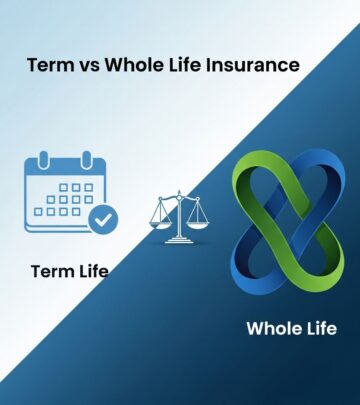
Life insurance policies designed for children come in two primary varieties: whole life and term life insurance. Each category serves different financial objectives and comes with distinct advantages and drawbacks that families should evaluate carefully.
Whole life insurance policies represent the most commonly offered option for children. These permanent policies are designed to remain in force throughout the child’s lifetime, provided that premium payments continue as scheduled. A defining characteristic of whole life policies is the locked-in premium structure. Once the policy is established, the insurance company cannot increase the monthly or annual premiums based on health status, age, or other risk factors. This guarantees that your child will always know exactly what their insurance costs will be, regardless of any future health developments or changes in the insurance market.
Term life insurance for children offers an alternative approach, though it is less frequently offered as a standalone product. Term policies provide coverage for a specific period, such as ten, twenty, or thirty years. When the term expires, coverage ends completely. Unlike whole life policies, term policies for children typically do not include a cash value component—they provide purely a death benefit. Term coverage for children is often structured as a rider attached to a parent’s existing life insurance policy, which can make it an affordable add-on option.
The Cash Value Component: Building Wealth Over Time
One of the most distinguishing features of whole life insurance for children is the cash value component that accumulates alongside the death benefit protection. Understanding how this feature works is essential for evaluating whether the policy makes sense for your financial situation.
With whole life policies, a portion of each premium payment is allocated toward building cash value. This accumulated value grows on a tax-deferred basis, meaning you are not required to pay taxes on the earnings until you withdraw the funds from the policy. Over several decades, this cash value can become a substantial asset. Parents often view these policies as a long-term financial tool that serves dual purposes: protecting against the unforeseen tragedy of a child’s death while simultaneously building a financial resource that the child can access during adulthood.
The cash value can typically be accessed through policy loans or by withdrawing funds directly from the account. Some parents envision their child using these accumulated funds to pay for college tuition, a down payment on a home, or other major life expenses. However, it is important to manage expectations regarding growth rates. Whole life insurance is not an aggressive investment vehicle—the cash value typically accumulates slowly, and it may take ten to twenty years before the accumulated value matches the total premiums paid into the policy. Other investment options, such as tax-deferred college savings plans, might generate higher returns over the same timeframe.
Guaranteed Insurability: Protection Against Future Health Changes
Among the most compelling reasons parents purchase life insurance for their children is the concept of guaranteed insurability. This feature addresses a specific concern: what happens if your child develops a serious health condition later in life?
When you secure a life insurance policy for your child while they are young and healthy, that coverage is locked in regardless of future medical developments. If your child is later diagnosed with a chronic illness, develops a serious medical condition, or faces health challenges that would normally make them uninsurable, the existing policy remains in force. The insurance company cannot cancel the coverage or dramatically increase the premiums based on the child’s subsequent health status.
Furthermore, many whole life policies include optional guarantees that allow the child to purchase additional coverage later in life without undergoing medical examinations. These guaranteed insurability riders ensure that as your child becomes an adult and potentially starts their own family, they can secure expanded protection without facing the underwriting scrutiny that might otherwise apply given any health issues they developed since childhood. For families with a history of serious illness or genetic predispositions to disease, this feature can provide significant peace of mind.
The Application and Approval Process
From a practical standpoint, obtaining life insurance for a child is often remarkably straightforward compared to securing adult coverage. Insurance companies typically employ simplified underwriting procedures for children’s policies, which means the application and approval process is faster and less burdensome than it would be for an adult applicant.
Most children’s life insurance policies do not require a medical examination. Instead, the insurer may ask health-related questions on the application, but you generally will not need to schedule a doctor’s visit or undergo laboratory tests. This streamlined process reflects the reality that children, as a group, have lower mortality risks and fewer pre-existing health conditions than the general adult population.
Because of this simplified underwriting, approval is typically easy to obtain for children who meet the basic age and health requirements. The ease of qualification makes children’s life insurance accessible to families who might otherwise find the insurance application process intimidating or complex.
Assessing the Financial Necessity Question
A fundamental question that every parent must address is whether life insurance for a child is truly a financial necessity. This question gets to the heart of insurance’s core purpose: protecting against financial losses caused by death.
The primary argument against children’s life insurance is straightforward: children do not generate income, and their death would not create a direct financial loss in the way that an adult breadwinner’s death would. Your family’s mortgage, car payments, and living expenses are not dependent on your child’s income. Statistically, children have significantly lower mortality rates than adults, which means the probability of actually collecting a death benefit is relatively low.
However, proponents of children’s life insurance counter that while the probability of a child’s death is low, the financial consequences if it does occur can be substantial and devastating. Funeral and burial expenses alone can easily reach five thousand dollars or more. Additionally, if a child’s death occurred, parents might need to take time away from work to grieve, potentially creating a temporary loss of household income. A life insurance death benefit could help bridge this gap.
Death Benefit Amounts and Coverage Limits
Understanding the typical death benefit amounts available for children’s life insurance policies is important for assessing whether the coverage would be adequate for your family’s needs. Children’s policies typically offer much lower death benefits than policies designed for adults, generally ranging from five thousand to fifty thousand dollars.
This lower benefit ceiling reflects the reality that insurers recognize children do not have financial dependents or income-replacement needs. The lower limits are typically considered sufficient to cover funeral costs and provide a modest financial cushion to help the family during a period of grief. However, if you are considering purchasing children’s life insurance specifically because you want to ensure substantial assets are available for your child’s future use, you will want to inquire about the maximum benefit amounts available from specific insurers, as some companies may offer higher limits than others.
Comparing Policy Structure Options
| Policy Feature | Whole Life Insurance | Term Life Insurance |
|---|---|---|
| Coverage Duration | Lifetime (as long as premiums paid) | Specific term (e.g., 10, 20, 30 years) |
| Premium Structure | Guaranteed level premiums | Typically lower initial premiums |
| Cash Value Component | Yes, accumulates tax-deferred | No cash value |
| Renewal After Term Ends | Continuous coverage | Policy expires; may be renewable or convertible |
| Typical Underwriting | Simplified, often no exam | Simplified, often no exam |
| Best For | Long-term wealth building and lifelong protection | Affordable temporary death benefit coverage |
Weighing the Financial Advantages and Disadvantages
Making a decision about children’s life insurance requires carefully balancing multiple considerations. Parents should understand both the compelling benefits and the legitimate drawbacks before committing to a policy.
The primary advantages include locked-in low premiums that will never increase due to the child’s age or health status, the potential for cash value accumulation that could provide financial resources in adulthood, and the peace of mind that comes from knowing your child will always have access to insurance coverage regardless of future health challenges. The death benefit, while hopefully never needed, would provide meaningful financial support to your family during an unimaginable tragedy and could help cover funeral expenses and allow parents time away from work to grieve.
The primary disadvantages include the financial burden of paying premiums consistently over many years, the relatively low likelihood that the death benefit will ever be needed given children’s low mortality rates, the potentially slow accumulation of cash value in whole life policies, and the reality that the coverage amounts available for children may eventually prove insufficient as they grow into adulthood with their own financial responsibilities.
Situations Where Children’s Life Insurance May Make Sense
While children’s life insurance is not appropriate or necessary for every family, certain circumstances may make it a logical component of a comprehensive financial strategy. Families with a history of serious genetic health conditions might view purchasing coverage for an affected child as a practical way to lock in insurability before a diagnosis occurs. Grandparents or other relatives interested in providing a long-term financial gift might purchase a policy to help ensure the child has lifelong coverage and accumulated cash value by adulthood. Affluent families seeking additional investment vehicles with tax-advantaged growth might view whole life insurance as one option among several. Additionally, some families simply prioritize having comprehensive protection in place for all household members and view the relatively low cost of children’s policies as worthwhile insurance.
Frequently Asked Questions About Children’s Life Insurance
Can a minor receive life insurance benefits directly?
No, minors cannot legally receive life insurance benefits directly. If your child is listed as a beneficiary on your policy, legal complications may delay benefit payments. To address this issue, many families establish a trust and name the trust as the beneficiary of the policy. The trustee then controls how and when the benefits are distributed for the child’s benefit, ensuring proper financial management of the funds.
Can children’s life insurance policies be converted to adult coverage?
Yes, many children’s whole life policies include conversion options that allow the child to continue coverage into adulthood without undergoing a medical examination. Some term policies also offer conversion features. This flexibility ensures your child maintains continuous coverage and doesn’t face a coverage gap or underwriting challenges when transitioning to their own independent life insurance needs as an adult.
What happens to a child’s policy if attached as a rider to a parent’s policy?
If children’s life insurance is provided as a rider on a parent’s policy, the child’s coverage is dependent on the parent’s policy remaining in force. If the parent’s policy expires, is canceled, or lapses, the child’s coverage typically ends as well. For this reason, some families prefer to purchase children’s life insurance as a separate standalone policy to ensure the child’s coverage is independent and not vulnerable to changes in the parent’s situation.
How much does children’s life insurance typically cost?
Children’s life insurance is generally quite affordable because of children’s low mortality risk and the simplified underwriting process. Premiums vary based on the type of policy, the coverage amount, and the specific insurance company, but many families find the cost to be a manageable monthly or annual expense.
Making Your Family’s Decision
The decision to purchase life insurance for your child is deeply personal and depends on your family’s specific financial situation, values, and long-term goals. There is no universally correct answer—what makes sense for one family may not be appropriate for another. Begin by honestly assessing whether you are purchasing the policy primarily for the death benefit protection, for the cash value accumulation potential, for guaranteed insurability benefits, or for some combination of these reasons. Research multiple insurance companies to compare the specific policy features, premium costs, and benefit limits available. If you decide to move forward, ensure you understand the commitment you are making to pay premiums consistently over many years. If you are uncertain, speaking with a financial advisor or insurance professional who can evaluate your specific circumstances may provide helpful guidance.
References
- Life Insurance for Children: Benefits to Purchasing Coverage for Kids — Guardian Life. Accessed 2026. https://www.guardianlife.com/life-insurance/kids
- Whole Life Insurance for Kids: Weighing the Pros & Cons — Western Southern. Accessed 2026. https://www.westernsouthern.com/life-insurance/whole-life-insurance-for-kids-pros-cons
- Life Insurance for Children: Should You Buy It? — Ethos. Accessed 2026. https://www.ethos.com/life-insurance/life-insurance-for-children/
- Pros and cons of life insurance for children — Higginbotham. Accessed 2026. https://www.higginbotham.com/blog/life-insurance-for-children/
- Child Life Insurance: Weighing the Advantages and Disadvantages — Spotlight Insurance. Accessed 2026. https://spotlightins.com/blog/child-life-insurance-weighing-the-advantages-and-disadvantages/
Similar Articles








Read full bio of medha deb