Life Insurance Essentials
Discover key life insurance options to secure your family's future with informed choices on coverage types and benefits.
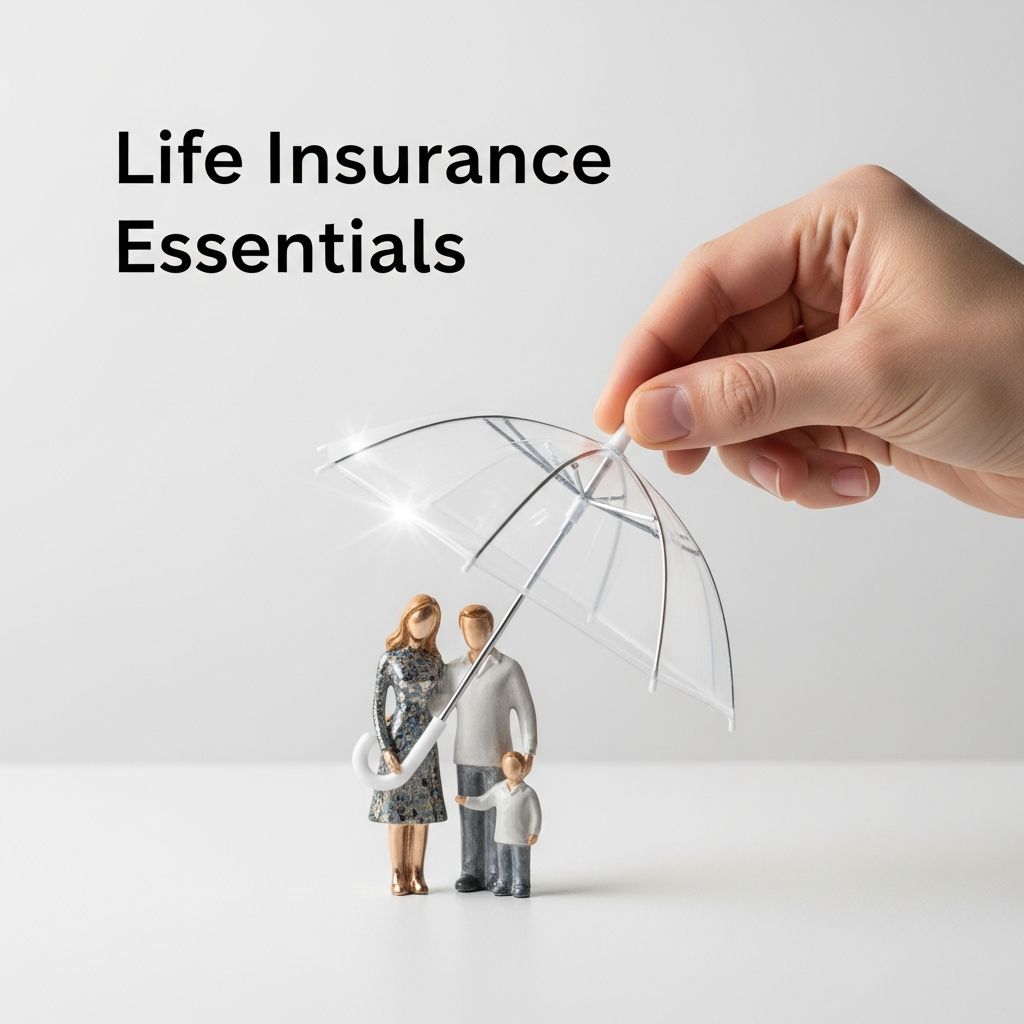
Life insurance serves as a cornerstone of financial planning, offering protection for loved ones against unexpected events. This guide delves into the primary categories and variations, helping you navigate options to find the best fit for your circumstances.
Understanding the Core Categories
Life insurance policies generally divide into two broad groups: temporary coverage known as term life and lifelong protection called permanent life. Term policies provide benefits for a defined period, making them straightforward and cost-effective for specific needs like mortgage protection or child-rearing years. Permanent options extend coverage indefinitely, often incorporating savings elements that grow over time.
Choosing between these depends on factors such as age, health, financial goals, and budget. Term suits those seeking high coverage at low premiums temporarily, while permanent appeals to individuals desiring enduring security and investment potential.
Diving into Term Life Coverage
Term life insurance stands out for its simplicity and affordability. It pays a death benefit only if the insured passes during the policy term, which typically spans 10 to 30 years. Premiums remain level throughout, avoiding surprises.
- Level Term: Maintains consistent death benefit and premiums, ideal for long-term debts.
- Decreasing Term: Benefit reduces over time, matching declining obligations like loans.
- Annually Renewable Term: Renews yearly with potential premium hikes based on age.
These policies rarely build cash value, keeping costs low—often suitable for young families or those under 65. Conversion options allow shifting to permanent coverage without new medical exams.
Exploring Permanent Life Options
Permanent life insurance guarantees coverage as long as premiums are paid, combining death benefits with cash value accumulation. This feature acts like a savings account, earning interest tax-deferred and accessible via loans or withdrawals.
Premiums exceed term rates due to lifelong commitment and investment components, but they stabilize financial plans, especially in retirement.
Whole Life: Stability and Guarantees
Whole life represents the most traditional permanent policy, featuring fixed premiums, guaranteed death benefits, and predictable cash value growth. A portion of each payment funds the savings component at a set interest rate, potentially boosted by dividends from mutual insurers.
| Feature | Whole Life Details |
|---|---|
| Coverage Duration | Lifetime |
| Premiums | Fixed and unchanging |
| Cash Value | Guaranteed growth |
| Best For | Long-term security, estate planning |
Cash value can supplement income, pay premiums, or cover final expenses. It’s particularly valuable for weathering market volatility in later years.
Universal Life: Flexibility in Action
Universal life introduces adjustable premiums and death benefits, balancing lifelong coverage with customization. Policyholders allocate funds between insurance costs and interest-earning cash value, adjusting as needs evolve.
- Overfund for faster cash growth; underfund if cash covers costs.
- Monitor closely to prevent lapse from insufficient funds.
This suits those anticipating income fluctuations but requires diligent oversight.
Variable Life: Investment-Driven Protection
Variable life ties cash value to market investments like stocks or bonds, offering growth potential alongside death benefits. Returns aren’t guaranteed, introducing risk—cash value and benefits may fluctuate.
Suitable for risk-tolerant individuals seeking higher returns, it demands investment savvy or advisor guidance.
Specialized Policies for Unique Needs
Final Expense Insurance
Designed for smaller benefits covering burial and debts, these policies skip medical exams, ideal for seniors. Premiums reflect simplified underwriting.
Group Life Insurance
Employer-provided coverage offers basic protection at group rates, often term-based and portable upon job change.
Indexed Universal Life
Links cash value to market indexes with downside protection, blending universal flexibility and variable upside.
Comparing Policy Types at a Glance
| Policy Type | Duration | Cash Value | Premium Flexibility | Ideal Candidate |
|---|---|---|---|---|
| Term | 10-30 years | No | Fixed | Budget-conscious families |
| Whole | Lifetime | Yes, guaranteed | Fixed | Stability seekers |
| Universal | Lifetime | Yes | Adjustable | Flexible planners |
| Variable | Lifetime | Yes, market-linked | Limited | Investment enthusiasts |
Factors Influencing Your Choice
Assess needs: Calculate coverage via income multiples (10-15x annual salary) plus debts and future expenses. Health impacts rates—better health yields lower premiums.
Budget matters: Term starts under $30/month for healthy adults; permanent can exceed $100.
- Age and health: Younger buyers lock in lower rates.
- Financial goals: Protection vs. wealth building.
- Lifestyle risks: Higher for smokers or hazardous jobs.
Steps to Acquire Coverage
- Evaluate Needs: Use online calculators for benefit amounts.
- Compare Quotes: Shop multiple insurers for rates.
- Undergo Exam: Most require for best rates.
- Review Policy: Confirm riders like waivers or conversions.
- Pay and Maintain: Set autopay; update beneficiaries.
Common Add-Ons and Riders
Enhance base policies with:
- Accelerated death benefit for terminal illness.
- Waiver of premium for disability.
- Child or spouse riders for family coverage.
These tailor protection without separate policies.
Life Insurance in Financial Planning
Beyond death benefits, leverage cash value for loans at low rates, tax-free if policy stays active. In estate planning, it funds trusts or equalizes inheritances.
For businesses, key person policies protect against owner loss.
Frequently Asked Questions
What is the cheapest life insurance?
Term life offers the lowest premiums for substantial coverage, especially for healthy individuals under 50.
Does life insurance have cash value?
Only permanent types like whole or universal build cash value; term does not.
Can I change my policy type later?
Many term policies convert to permanent without exams, check provider terms.
Is life insurance taxable?
Death benefits are tax-free; cash value grows deferred, loans tax-free if managed properly.
How much coverage do I need?
Aim for 10-15x salary plus debts, education, and final costs—personalize via needs assessment.
Navigating Costs and Savings
Average 20-year term for $500k coverage: $25/month for men, $20 for women (age 30, non-smoker). Permanent doubles or triples this.
Shop annually; lifestyle improvements like quitting smoking slash rates 50%.
References
- Different Types of Life Insurance | Progressive — Progressive. 2023. https://www.progressive.com/answers/life-insurance-types/
- Different Types of Life Insurance Policies – Northwestern Mutual — Northwestern Mutual. 2023. https://www.northwesternmutual.com/life-and-money/the-different-types-of-life-insurance-explained/
- Types of Life Insurance Explained and How to Choose | Guardian — Guardian Life. 2023. https://www.guardianlife.com/life-insurance/types
- What are the principal types of life insurance? | III — Insurance Information Institute. 2023. https://www.iii.org/article/what-are-principal-types-life-insurance
- Life Insurance Basics: What It Is, How It Works and Types – State Farm — State Farm. 2023. https://www.statefarm.com/simple-insights/life-insurance/types-of-life-insurance
- Different Types of Life Insurance and How to Choose – Aflac — Aflac. 2023. https://www.aflac.com/resources/life-insurance/types-of-life-insurance.aspx
- What Type of Life Insurance Is Right for You? – NAIC — National Association of Insurance Commissioners. 2023. https://content.naic.org/article/consumer-insight-what-type-life-insurance-right-you
Similar Articles








Read full bio of Sneha Tete