Lien: Definition, Types, and Legal Implications
Understanding liens: Legal claims on property securing debt obligations and financial transactions.

What Is a Lien?
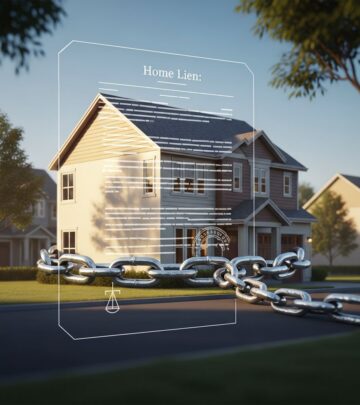
A lien is a legal claim or interest that a lender or creditor has on a debtor’s property, serving as security for the repayment of a debt or obligation. When a lien is placed on property, it means that the creditor has the right to take possession of or sell that property if the debtor fails to meet their financial obligations. This legal instrument protects creditors by ensuring they have a claim on valuable assets, thereby reducing the risk associated with lending money or providing services.
Liens are fundamental to the modern financial system and play a crucial role in enabling credit transactions. They provide security for lenders and creditors, making it easier for debtors to obtain loans at reasonable interest rates. Without liens, many lending institutions would be unwilling to provide credit, as they would have no legal recourse if a borrower defaulted on their obligations.
The word “lien” comes from French and literally means “to bind.” This definition aptly describes the nature of a lien—it binds a debtor’s property to the creditor’s claim, creating a legal obligation that must be satisfied before the property can be freely transferred or sold.
How Liens Work
Liens operate by creating a claim against a property that must be satisfied before ownership can transfer or the property can be sold without encumbrance. Here’s how the process typically works:
- Creation: A lien is created when a debtor fails to pay a debt or when a creditor takes legal action to secure their claim. In many cases, liens are automatically created upon default or through a formal court judgment.
- Recording: Most liens must be recorded in public records, typically at the county or municipal level, to be enforceable against third parties. This recording system ensures transparency and allows potential buyers to discover existing liens.
- Enforcement: If the debtor fails to satisfy the lien, the creditor may have the right to foreclose on or sell the property to recover the owed amount. The specific enforcement procedures vary depending on the type of lien and jurisdictional laws.
- Resolution: A lien can be satisfied or removed by paying the debt in full, negotiating a settlement, or through legal processes such as redemption or foreclosure.
Types of Liens
Liens can be categorized into several distinct types, each serving different purposes and arising under different circumstances:
Mortgage Lien
A mortgage lien is a security interest in real property held by a lender to secure the repayment of a mortgage loan. When a homeowner borrows money to purchase a property, the lender typically places a lien on the property. If the borrower defaults on the mortgage payments, the lender can foreclose on the property and sell it to recover the outstanding debt. Mortgage liens are voluntary liens, meaning the borrower agrees to them as part of the lending agreement.
Tax Lien
A tax lien is a legal claim imposed by a government entity on a property owner’s assets when they fail to pay their taxes. Tax liens can be placed by federal, state, or local authorities and have priority over many other claims on the property. Tax liens are particularly serious because they can result in the forced sale of property and significantly impact credit ratings. Unlike other liens, tax liens arise automatically upon tax default without requiring the property owner’s consent.
Judgment Lien
A judgment lien is created when a court issues a judgment against a defendant in a civil lawsuit. The judgment creditor can then place a lien on the defendant’s property to secure satisfaction of the judgment. Judgment liens must typically be recorded in public records to be enforceable. They often have lower priority than other liens but can still be valuable to creditors seeking to collect debts.
Mechanic’s Lien
A mechanic’s lien (also called a construction lien) is placed by contractors, subcontractors, or suppliers who have provided labor or materials for property improvements but have not been paid. This type of lien protects workers and suppliers in the construction industry by allowing them to claim a stake in the property if they are not compensated. Mechanic’s liens must typically be filed within a specific timeframe and have become increasingly important in protecting construction workers’ rights.
Artisan’s Lien
An artisan’s lien (or possessory lien) is held by someone who has improved or repaired personal property and has retained possession of that property. For example, a jeweler who repairs a piece of jewelry but is not paid may retain a lien on the jewelry. This lien allows the artisan to keep the property until payment is received.
Landlord’s Lien
A landlord’s lien allows a property owner to claim a right against a tenant’s personal property or the rental premises to secure payment of rent or damages. In some jurisdictions, landlords can place liens on a tenant’s possessions or improvements made to the property.
Federal Tax Lien
The Internal Revenue Service (IRS) can place a federal tax lien on a taxpayer’s property when they fail to pay federal income taxes. This lien attaches to all property owned by the taxpayer, including real estate, personal property, and financial accounts. Federal tax liens have broad reach and high priority in most circumstances.
Voluntary vs. Involuntary Liens
Liens can be classified as either voluntary or involuntary based on whether the property owner agrees to the lien:
Voluntary Liens: These are liens that a property owner consents to, such as mortgage liens or home equity lines of credit. The property owner agrees to the lien as part of a financial arrangement with a creditor.
Involuntary Liens: These are liens imposed on a property without the owner’s consent, such as tax liens, judgment liens, or mechanic’s liens. Involuntary liens arise from legal obligations or court proceedings.
Lien Priority and Subordination
When multiple liens exist on the same property, their priority determines which creditor gets paid first from the sale proceeds. Priority is typically determined by the order in which liens are recorded or filed, with earlier-recorded liens generally having higher priority. This system is crucial because it affects the likelihood that creditors will recover their claims.
Liens can be subordinated, meaning a creditor voluntarily agrees to accept a lower priority position in favor of another creditor. For example, when a homeowner refinances a mortgage, the new lender’s mortgage may be subordinated to the original mortgage temporarily during the refinancing process.
Impact of Liens on Property Owners
Liens can have significant consequences for property owners:
- Difficulty Selling Property: Properties with liens cannot be easily sold, as buyers typically require a clear title. The seller must satisfy the lien before transferring ownership.
- Credit Impact: Liens, particularly judgment and tax liens, are reported on credit records and negatively affect credit scores.
- Refinancing Challenges: Lenders are reluctant to refinance properties with existing liens, especially involuntary ones.
- Legal Complications: Debtors facing liens may face additional legal proceedings, including foreclosure or property seizure.
- Financial Burden: Resolving a lien requires paying the underlying debt, which may include accrued interest and legal fees.
How to Satisfy or Remove a Lien
There are several ways to resolve a lien on property:
- Full Payment: The most straightforward method is to pay the full amount owed plus any accrued interest and fees.
- Negotiated Settlement: Creditors may sometimes agree to settle the debt for less than the full amount owed.
- Lien Release: Once satisfied, the creditor must file a formal lien release document with the same entity that recorded the original lien.
- Legal Challenge: In some cases, a property owner can legally challenge the validity of a lien through court proceedings.
- Statute of Limitations: Some liens may expire after a certain period if not renewed or enforced, though tax liens often have extended timeframes.
Liens and Real Estate Transactions
Liens play a critical role in real estate transactions. Before purchasing property, buyers and their lenders typically conduct a title search to identify any existing liens. If liens are discovered, the seller must satisfy them before closing the sale, or the proceeds from the sale must be used to pay off the liens. A clear title—one free from liens—is essential for most real estate transactions.
Title insurance is often purchased during real estate transactions to protect against losses resulting from undiscovered or defective liens. This insurance provides coverage if a previously unknown lien is discovered after the purchase.
Frequently Asked Questions (FAQs)
Q: What is the difference between a lien and a loan?
A: A loan is money borrowed that must be repaid, while a lien is a legal claim on property to secure the repayment of a debt. A lien is often the security mechanism that backs a loan.
Q: Can a lien prevent me from selling my property?
A: A lien does not technically prevent a sale, but it must typically be satisfied (paid off) before the property can transfer free and clear. Sale proceeds may be used to pay off the lien.
Q: How long does a lien remain on property?
A: The duration varies by lien type and jurisdiction. Some liens expire after a certain period (often 7-10 years), while tax liens may remain until the debt is paid. Check local laws for specific timeframes.
Q: Can I remove a lien myself?
A: In most cases, only the creditor who placed the lien can remove it once the debt is satisfied. However, you can request a formal release and, if necessary, pursue legal action to force removal if you believe the lien is invalid.
Q: Does a lien affect my credit score?
A: Yes, liens—particularly judgment and tax liens—are reported to credit bureaus and can significantly damage your credit score, making it harder to obtain future credit.
Q: What happens if I ignore a lien?
A: Ignoring a lien can result in foreclosure, forced property sale, wage garnishment, or bank account levies. The creditor may pursue legal action to enforce their claim.
References
- Uniform Commercial Code (UCC) – Article 9: Secured Transactions — National Conference of Commissioners on Uniform State Laws. 2022. https://www.uniformlaws.org/acts/ucc-9
- Internal Revenue Manual: Federal Tax Liens — Internal Revenue Service (IRS), U.S. Department of the Treasury. 2024. https://www.irs.gov/individuals/understanding-a-federal-tax-lien
- Mechanics’ Liens and Construction Law Overview — American Bar Association, Real Property Law Section. 2023. https://www.americanbar.org/groups/real_property_trust_estate_law/
- Title Standards and Lien Recording Requirements — American Land Title Association (ALTA). 2024. https://www.alta.org/
- Judgment Liens and Collection Procedures — National Association of Attorneys General. 2023. https://www.naag.org/
Similar Articles








Read full bio of medha deb