Liability Insurance: Protection Against Legal Claims
Understand liability insurance and how it protects you from financial responsibility for injuries and property damage claims.

What Is Liability Insurance?
Liability insurance is a type of insurance coverage designed to protect individuals and businesses from financial responsibility when they are found legally liable for causing injury to another person or damage to someone else’s property. This insurance policy covers legal defense costs, medical expenses, and damages awarded in lawsuits, providing essential financial protection in today’s litigious environment.
When you carry liability insurance, your insurance company agrees to defend you in court and pay any damages or settlements awarded, up to the limits specified in your policy. This coverage is crucial for both personal and commercial contexts, as a single accident or incident can result in substantial financial consequences that could otherwise devastate your personal finances or business operations.
How Liability Insurance Works
Liability insurance operates on a straightforward principle: you pay regular premiums to your insurance company in exchange for protection against covered claims. When someone files a lawsuit against you or claims you are responsible for their injuries or property damage, you notify your insurance provider immediately.
Your insurance company will then assign a claims adjuster and potentially a defense attorney to your case. The insurance company covers the legal costs of defending you, regardless of whether the claim is successful. If you are found liable or if a settlement is reached, the insurance company pays the damages up to your policy limits. However, if the damages exceed your policy limits, you are typically responsible for the excess amount.
Key Components of the Process:
- Claim Notification: You must report any potential claim to your insurance company promptly
- Claims Investigation: The insurer investigates the claim to determine coverage and liability
- Defense: The insurance company provides legal representation or pays for your defense attorney
- Settlement or Judgment: The insurer negotiates settlements or pays court judgments within policy limits
- Excess Liability: You remain responsible for amounts exceeding your coverage limits
Types of Liability Insurance
Various types of liability insurance exist to address different situations and risks. Understanding each type helps you determine what coverage you need for your specific circumstances.
Personal Liability Insurance
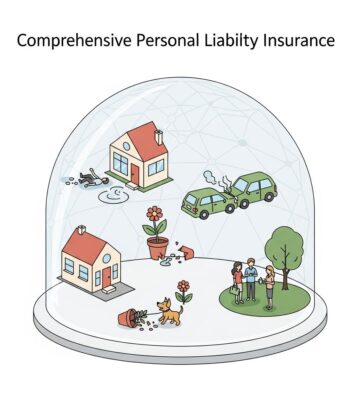
Personal liability insurance, often included in homeowners or renters insurance policies, protects you if someone is injured on your property or if you accidentally damage someone else’s property. For example, if a guest slips and falls in your home or your dog injures a neighbor, personal liability coverage handles the medical bills and legal costs. Typical personal liability coverage ranges from $100,000 to $300,000, though higher limits are available.
Professional Liability Insurance
Also known as errors and omissions insurance, professional liability insurance protects professionals such as doctors, lawyers, architects, and accountants from claims that their professional services caused financial losses or damage to clients. This coverage is often required by professional licensing boards and is essential for protecting your professional reputation and business assets.
Commercial General Liability Insurance
Businesses of all sizes need commercial general liability insurance to protect against bodily injury, property damage, and personal injury claims arising from business operations. This coverage applies to incidents that occur at your business location, on client premises, or from your business products or services. It is fundamental insurance for any business entity.
Product Liability Insurance
Manufacturers, distributors, and retailers need product liability insurance to protect against claims that a defective product caused injury or property damage. This coverage is critical for any business that produces, sells, or distributes physical products to consumers.
Umbrella Liability Insurance
Umbrella policies provide additional liability coverage above and beyond your standard homeowners or commercial policies. These policies typically cover gaps in your existing coverage and provide higher coverage limits, protecting your assets if a major claim exceeds your underlying policy limits. Umbrella coverage typically starts at $1 million and can extend to $5 million or more.
What Liability Insurance Covers
Liability insurance provides comprehensive protection for various types of claims and associated expenses. Understanding what is covered helps you assess whether you have adequate protection.
Coverage Inclusions:
- Medical Expenses: Hospital bills, emergency care, and ongoing treatment for injured parties
- Legal Defense Costs: Attorney fees, court costs, and expert witness fees
- Property Damage: Repairs or replacement of damaged property belonging to others
- Lost Wages: Compensation for wages lost by injured parties during recovery
- Pain and Suffering: Damages awarded for physical pain, emotional distress, and reduced quality of life
- Punitive Damages: In some cases, additional damages intended to punish egregious conduct
- Settlements and Judgments: Money awarded through negotiated settlements or court verdicts
What Liability Insurance Does Not Cover
While liability insurance provides broad protection, certain situations and claims fall outside coverage. Knowing these exclusions prevents surprises when you need to file a claim.
Common Exclusions:
- Intentional Acts: Deliberately causing harm or damage is not covered by liability insurance
- Professional Services: Standard liability policies exclude professional negligence, which requires professional liability insurance
- Business Operations: Personal liability insurance typically excludes injuries or damage related to business activities
- Contractual Liability: Many policies exclude liability assumed under a contract you entered into
- Gross Negligence or Willful Misconduct: Extreme or reckless behavior may fall outside coverage
- Workers’ Compensation Claims: Employee injuries are covered by workers’ compensation insurance, not liability insurance
- Criminal Acts: Liability arising from criminal conduct is excluded
- Property You Own or Rent: Damage to your own property or property you lease is typically excluded
- Vehicle-Related Incidents: Auto liability requires separate auto insurance; most general policies exclude vehicle-related claims
Coverage Limits and Deductibles
Liability insurance policies specify maximum coverage amounts and deductible requirements that significantly impact both premiums and out-of-pocket expenses when claims arise.
Understanding Coverage Limits
Coverage limits represent the maximum amount your insurance company will pay for a covered claim. These limits are typically expressed as a series of numbers, such as 100/300/100, which represents $100,000 per person for bodily injury, $300,000 per incident for bodily injury, and $100,000 for property damage. Choosing appropriate limits requires assessing your assets, income potential, and risk profile. Higher limits provide greater protection but increase premium costs.
Deductibles Explained
Deductibles are the amounts you must pay out-of-pocket before your insurance coverage begins. For example, a $1,000 deductible means you pay the first $1,000 of any covered claim, and the insurance company pays the remainder up to the policy limit. Higher deductibles reduce your premium costs but increase your financial exposure in the event of a claim.
Factors Affecting Liability Insurance Premiums
Insurance companies calculate premiums based on numerous factors reflecting your risk profile. Understanding these factors helps you take steps to potentially reduce your insurance costs.
- Claims History: Your history of prior claims significantly impacts your premium rates
- Coverage Limits: Higher coverage limits result in higher premiums
- Type of Business: Certain industries carry higher inherent risks and command higher premiums
- Business Location: Geographic location affects risk assessment and premium rates
- Safety Practices: Implementing strong safety measures may qualify you for premium discounts
- Years in Business: Established businesses with longer operating histories often receive better rates
- Number of Employees: Larger workforces typically result in higher premiums
- Credit Score: Some insurers consider personal credit scores when calculating premiums
Who Needs Liability Insurance?
While some types of liability insurance are legally required, others are highly recommended for anyone with significant assets to protect. Determining your insurance needs depends on your personal or business circumstances.
Requirements by Circumstance:
- Homeowners: Mortgage lenders require homeowners insurance, which includes liability coverage
- Renters: While not legally required, renters insurance with liability protection is strongly advised
- Business Owners: Commercial general liability is essential for protecting business assets
- Professionals: Doctors, lawyers, accountants, and other professionals require professional liability insurance
- High Net Worth Individuals: Those with substantial assets benefit from umbrella liability policies
- Property Managers: Liability coverage is critical when managing properties on behalf of others
- Contractors: Construction and skilled trade professionals need specialized liability coverage
Benefits of Having Liability Insurance
Liability insurance provides crucial protections that extend beyond simple financial coverage, offering peace of mind and financial security.
- Asset Protection: Shields personal and business assets from liability claims
- Legal Defense Coverage: Pays for attorney fees and court costs regardless of claim outcome
- Financial Security: Prevents catastrophic financial loss from unexpected claims
- Business Continuity: Allows businesses to continue operating despite liability claims
- Loan and Contract Requirements: Often required by lenders, landlords, and clients
- Peace of Mind: Reduces stress and worry about potential financial liability
- Professional Reputation: Demonstrates financial stability and reliability to clients and partners
How to Choose Appropriate Liability Coverage
Selecting adequate liability insurance involves assessing your specific situation, evaluating your assets, and determining appropriate coverage limits.
Assessment Steps:
- Inventory Your Assets: Calculate total personal or business assets that could be at risk
- Evaluate Your Risk Profile: Consider activities and situations that could lead to liability claims
- Review Existing Coverage: Examine current policies to identify gaps or inadequate limits
- Consult an Insurance Professional: Work with an insurance agent to determine appropriate coverage levels
- Consider Your Income: Higher income increases your potential financial exposure in lawsuits
- Research Industry Standards: Determine what coverage levels are typical in your profession or industry
- Review Policy Exclusions: Understand what your policy does not cover and address gaps accordingly
Frequently Asked Questions (FAQs)
Q: What is the difference between liability insurance and property insurance?
A: Liability insurance covers damages you cause to others, while property insurance covers damage to your own property. Both are typically included in homeowners or business insurance policies.
Q: Do I need liability insurance if I am not working?
A: Yes, personal liability insurance through homeowners or renters policies is important regardless of employment status, as accidents can happen in your home or on your property.
Q: What is umbrella insurance and when do I need it?
A: Umbrella insurance provides additional liability coverage above your standard policies. Consider it if you have significant assets, high income, or engage in activities with higher liability risks.
Q: Can I purchase liability insurance after an incident occurs?
A: No, insurance cannot be purchased retroactively to cover incidents that have already happened. You must purchase coverage before an incident occurs to be protected.
Q: How much liability insurance do I need?
A: The appropriate amount depends on your assets, income, and risk profile. Generally, coverage should be at least equal to your net worth, with additional umbrella coverage for those with significant assets.
Q: Does liability insurance cover intentional harm?
A: No, liability insurance explicitly excludes coverage for intentional acts or willful misconduct. Coverage only applies to accidental harm or negligence.
Q: What should I do if I’m sued and have liability insurance?
A: Immediately notify your insurance company of the lawsuit. Your insurer will assign an attorney and handle the legal defense and any settlements within your policy limits.
Conclusion
Liability insurance is an essential component of a comprehensive risk management strategy for both individuals and businesses. By protecting against financial responsibility for injuries and property damage caused to others, liability insurance provides crucial protection for your assets and financial well-being. Whether you need personal liability, professional liability, commercial general liability, or umbrella coverage, understanding your specific needs and selecting appropriate coverage limits ensures you have adequate protection against the unpredictable nature of liability claims. Review your current coverage regularly and consult with insurance professionals to maintain adequate protection as your circumstances change.
References
- Understanding Liability Insurance Coverage — National Association of Insurance Commissioners (NAIC). 2024. https://www.naic.org/
- Liability Insurance: What You Need to Know — Insurance Information Institute. 2024. https://www.iii.org/
- Risk Management and Liability Protection — American Bar Association Section of Litigation. 2023. https://www.americanbar.org/
- Commercial General Liability Insurance Guide — U.S. Small Business Administration (SBA). 2024. https://www.sba.gov/
- Professional Liability Insurance Standards — American Society of Risk Managers. 2024. https://www.ashrm.org/
Similar Articles








Read full bio of Sneha Tete