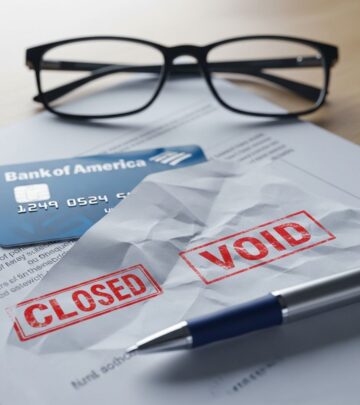
How to Write a Letter to Close Bank Accounts
Master the art of closing bank accounts with a professional letter template and comprehensive guide.

Closing a bank account is a straightforward financial decision that many people make for various reasons—whether you’re switching to a new bank, consolidating accounts, or simply moving on from a financial institution. While many banks now offer online and phone-based account closure options, sending a formal letter remains one of the most effective and documented ways to ensure your account closure is properly processed and recorded. A written letter creates a permanent record of your request and provides you with tangible proof of your closure request, which can be invaluable for future reference.
Understanding how to properly communicate your account closure intentions through a professional letter ensures that your request is taken seriously and processed efficiently. This guide will walk you through everything you need to know about writing an effective account closure letter.
Why Write a Letter to Close Your Bank Account?
While many banks accept phone calls or online requests for account closures, a written letter offers several distinct advantages. First, it creates an official paper trail that documents your request with a specific date and time. This documentation can protect you if any disputes arise regarding the closure or if the bank attempts to reopen your account without authorization.
A formal letter also demonstrates professionalism and seriousness about your intent to close the account. Banks are more likely to process requests that arrive in writing, as they represent a deliberate, documented decision rather than a casual phone call that might be misunderstood or forgotten. Additionally, written requests are less likely to be lost in translation or overlooked by busy customer service representatives.
For those with joint accounts or special circumstances, a written letter provides clear communication about account holder intentions and can help prevent misunderstandings between multiple parties. It also serves as excellent documentation for your personal financial records.
Key Information to Include in Your Letter
When composing your bank account closure letter, certain essential information must be included to ensure prompt and accurate processing. The following elements should be present in every closure letter:
Your Full Name and Address
Begin your letter with your complete legal name as it appears on the account, followed by your current mailing address. This information helps the bank verify your identity and ensures they send confirmation documentation to the correct location.
Account Number
Clearly state the account number you wish to close. If you have multiple accounts with the institution, specify which account or accounts you’re requesting to close. Include the account type—whether it’s a checking account, savings account, money market account, or other product.
Clear Statement of Intent
Your letter must contain an unambiguous statement that you want to close the account. Use direct language such as “I am writing to formally request the closure of my account” rather than ambiguous phrasing that might be misinterpreted.
Request for Confirmation
Explicitly request written confirmation of the account closure. This confirmation serves as your receipt and proof that the account has been properly closed, which protects you from any future issues or unauthorized activity on the account.
Instructions for Remaining Funds
If you have any remaining balance in the account, specify how you would like these funds handled. You can request a cashier’s check mailed to your address, a transfer to another account you specify, or arrange to withdraw the funds in person at a branch.
Step-by-Step Guide to Writing Your Letter
Step 1: Use Professional Formatting
Start with a standard business letter format. Include your name, address, phone number, and email address at the top of the letter. Leave space, then add the date you’re writing the letter. Follow this with the bank’s name and address (typically available on your bank statements or their website).
Step 2: Address the Letter Appropriately
Use “Dear Sir or Madam” or address it to “Customer Service Department” if you don’t have a specific contact person’s name. You can also call the bank to find out the appropriate department or person to address your letter to, which adds a personal touch and ensures it reaches the right desk.
Step 3: Open with a Clear Statement
Begin your letter body with a direct statement of purpose. Write something like: “I am writing to formally request the immediate closure of my account” followed by your account number. This immediately communicates your intent and sets the tone for the rest of the letter.
Step 4: Provide Necessary Details
In the body of your letter, provide all relevant account information. Include your account number, account type, and the approximate balance if you’re aware of it. If you’re closing multiple accounts, list each one separately with its corresponding account number.
Step 5: Address Outstanding Transactions
Mention that all checks have cleared and all pending transactions have been completed. You might write: “I have ensured that all pending transactions, automatic payments, and outstanding checks have been cleared. My account is in good standing with no outstanding issues.”
Step 6: Specify Fund Disposition
Clearly state what you want done with any remaining funds. For example: “Please transfer any remaining balance to my new account at [bank name], account number [new account number], or issue a cashier’s check to my address on file.”
Step 7: Request Written Confirmation
Explicitly request a written confirmation of closure. Write: “Please provide written confirmation of this account closure for my records.” This ensures you receive documentation of the closure.
Step 8: Include Contact Information
Provide your current phone number and email address where the bank can reach you if they need additional information to process your request.
Step 9: Close Professionally
End with a professional closing such as “Sincerely” followed by your signature and printed name. If mailing the letter, ensure it’s properly signed in ink.
Sample Bank Account Closure Letter Template
Use the following template as a starting point for your own bank account closure letter:
[Your Name][Your Address][City, State ZIP Code][Your Phone Number][Your Email Address][Date][Bank Name][Bank Address][City, State ZIP Code]Dear Sir or Madam,I am writing to formally request the immediate closure of my bank account with [Bank Name]. The account details are as follows:Account Holder Name: [Your Name]Account Number: [Account Number]Account Type: [Checking/Savings/Money Market]Current Address on File: [Your Address]I have ensured that all pending transactions, including automatic payments and outstanding checks, have been cleared. My account is in good standing with no outstanding issues.Please proceed with closing this account and transfer any remaining balance as follows: [specify wire transfer to new account, cashier's check, or in-person withdrawal].I request written confirmation of this account closure be sent to the address listed above for my records.If you require any additional information to process this request, please contact me at [phone number] or [email address].Thank you for your assistance.Sincerely,[Your Signature][Your Printed Name]Important Preparations Before Sending Your Letter
Verify All Transactions Have Cleared
Before writing your closure letter, ensure that all pending transactions have been processed. Review your account statements for the past 30 to 60 days to identify any automatic payments, recurring deposits, or outstanding checks. Wait until these have fully cleared before sending your closure request.
Update Direct Deposits and Bill Payments
Contact your employer or payroll department to redirect your direct deposit to your new account. Update all automatic bill payment arrangements to reflect your new banking information. This prevents missed payments or misdirected deposits after your account closes.
Transfer Your Remaining Balance
Move the majority of your funds to your new account before sending the closure letter. Confirm with your bank that you’ve collected all interest owed to your account. This ensures you don’t lose any funds and simplifies the closure process.
Review Your Account Agreement
Check your account agreement or contact your bank to understand any specific closure procedures or fees. Some accounts may have early termination fees or special closure requirements. Ask your bank about any account closing fees or penalties that might apply.
Gather Required Information
Collect your account number, account type, current address on file, and any other identifying information the bank might request. Having this information readily available ensures your letter contains all necessary details for quick processing.
How to Submit Your Letter
Mailing Your Letter
Send your letter via certified mail with return receipt requested. This tracking method proves that the bank received your letter and creates a documented record of delivery. Keep the return receipt as proof of your closure request.
In-Person Delivery
If you prefer, you can deliver your letter directly to a local branch of your bank. Ask for a stamped copy acknowledging receipt of your letter. This provides immediate proof that you’ve submitted your closure request.
Email Delivery
Some banks accept account closure requests via email. If sending electronically, use the official email address listed on your bank’s website and request a read receipt. Print and keep a copy of your email and any confirmation responses.
What to Do After Sending Your Letter
Track Your Request
If you sent your letter via certified mail, track the delivery to confirm receipt. Note the tracking number and keep it with your letter copy for your records.
Monitor Your Account
Continue checking your account for several weeks after submitting your closure letter to ensure no unexpected transactions occur and to confirm the account closure has been processed.
Obtain Written Confirmation
Wait for written confirmation from the bank stating that your account has been closed. The Consumer Financial Protection Bureau recommends requesting this documentation to clear up any future misunderstandings. Save this confirmation along with your letter copy.
Destroy Associated Cards and Checks
Once you receive closure confirmation, destroy all checks and debit cards associated with your old account to prevent accidental or fraudulent use.
Update Your Records
Update your personal financial records to reflect the closed account. Note the closure date and keep all documentation in a safe place for your records.
Frequently Asked Questions
Q: How long does it take for a bank account to close after sending a letter?
A: Typically, account closure takes 5 to 10 business days after your bank receives your letter. However, this timeline can vary by institution. Some banks may process closures faster if you visit in person or submit the request online.
Q: Can I close a joint bank account with just my signature?
A: This depends on your bank’s policies. Some banks require only one account holder to request closure, while others require both parties to sign the closure request or appear in person. Contact your bank to understand their specific requirements for joint account closures.
Q: What if my bank charges a fee to close my account?
A: While many banks don’t charge fees for closing basic savings or checking accounts, some institutions may charge fees for specific account types or early closures. Ask your bank about any applicable fees before submitting your closure request. You can often negotiate or avoid these fees, especially if you have no negative balance.
Q: Should I close my old account before or after opening a new one?
A: Always open your new account and verify that your direct deposits and automatic payments have been successfully transferred before closing your old account. This prevents any gaps in your banking services and ensures you don’t lose access to funds.
Q: What happens to pending transactions after I close my account?
A: This is why it’s crucial to wait for all pending transactions to clear before sending your closure letter. Ensure all automatic payments have been processed and all checks have cleared. If a transaction attempts to post after closure, it could be returned or cause complications.
Q: Do I need to visit the bank in person to close my account?
A: Not necessarily. Many banks now allow closures by phone, online, or through mail. However, some institutions may require in-person closure for certain account types or situations. Check your bank’s policies to determine what options are available.
Q: Can I reopen a closed bank account?
A: In most cases, once an account is closed, it cannot be reopened under the same account number. You would need to open a completely new account. This is another reason to keep thorough documentation of your closure request and confirmation.
Best Practices for a Smooth Account Closure
To ensure your bank account closure proceeds without complications, follow these best practices:
Plan Ahead: Don’t rush the closure process. Give yourself at least 30 days before you plan to close the account to update all direct deposits, automatic payments, and transfer funds.
Keep Detailed Records: Maintain copies of your closure letter, all correspondence with the bank, and written confirmation of closure. These documents protect you legally and serve as proof of your actions.
Communicate with All Parties: Notify your employer, creditors, and any other organizations that have your banking information about your account closure and provide them with your new account details.
Review Final Statements: After receiving closure confirmation, review your final statement to ensure there are no unexpected transactions or discrepancies. Contact your bank immediately if you notice anything unusual.
Consider Your Credit Report: While closing an account doesn’t directly harm your credit score, it can affect your credit utilization ratio. Understand the potential impact on your credit before closing the account, especially if it’s a long-standing account.
Conclusion
Writing a formal letter to close your bank account is a professional, documented approach to ending your relationship with a financial institution. By following the steps outlined in this guide and using the provided template, you can ensure that your account closure is processed efficiently and that you maintain proper documentation of the transaction. Remember to prepare thoroughly by updating all direct deposits and payments, transferring your funds, and waiting for all pending transactions to clear before submitting your closure letter. Always request written confirmation of your account closure and keep all documentation for your financial records. With these practices in place, your bank account closure will be smooth and hassle-free.
References
- How to Close a Bank Account — Ally. 2025. https://www.ally.com/stories/budget/how-to-close-a-bank-account/
- How to Close a Bank Account Online: Tips & Procedures — PNC Bank. 2025. https://www.pnc.com/insights/personal-finance/spend/close-bank-account-online.html
- 6-Step Checklist for Closing a Checking Account — SmartAsset. 2025. https://smartasset.com/checking-account/checklist-for-closing-a-checking-account
- Closing a Bank Account — Northwest Bank. 2025. https://financialwellnesscenter.northwest.bank/money-management/banking/article/closing-a-bank-account
- What Do You Need to Open or Close a Bank Account? — Wells Fargo. 2025. https://www.wellsfargo.com/help/checking-savings/open-close-account-faqs/
- How to Close a Bank Account & Checking Account — Huntington Bank. 2025. https://www.huntington.com/learn/checking-basics/switch-banks
- How to Close a Bank Account — Citi. 2025. https://www.citi.com/banking/personal-banking-guide/basic-finance/how-to-close-a-bank-account
Similar Articles








Read full bio of medha deb