Letter of Credit: Definition, Types, and How It Works
Master Letters of Credit: Essential guide to international trade financing and payment protection.
Understanding Letters of Credit in International Trade
A letter of credit is one of the most important financial instruments in international trade, serving as a contractual commitment that bridges the gap between buyers and sellers operating across different countries and time zones. At its core, a letter of credit is a commitment issued by a financial institution, typically a bank, on behalf of a buyer (the applicant) to pay a seller (the beneficiary) a specified amount of money, provided that the seller submits the required documentation proving that the goods have been shipped or services have been rendered according to the terms agreed upon.
In the complex world of international commerce, where trust between parties may be limited and legal systems differ significantly, letters of credit provide a critical mechanism for reducing risk and facilitating transactions. The letter of credit essentially substitutes the credit of the bank for the credit of the buyer, giving the seller confidence that payment will be received even if the buyer encounters financial difficulties or attempts to renege on their obligations.
What Exactly is a Letter of Credit?
A letter of credit functions as a formal payment guarantee in international trade transactions. When an exporter agrees to sell goods to a foreign importer, the exporter naturally wants assurance that payment will be received upon shipment. Conversely, the importer wants to ensure that they are not paying for goods before confirming that the products meet their specifications and have actually been shipped.
The letter of credit resolves this tension by creating a structured payment process. The importer’s bank issues the letter of credit based on the importer’s request and creditworthiness. This document is then transmitted to the exporter’s bank, which verifies its authenticity and communicates it to the exporter. Once the exporter ships the goods and submits the required documentation to their bank, the importer’s bank is obligated to pay, regardless of whether the importer has the funds available or changes their mind about the purchase.
This arrangement protects both parties. The exporter gains a payment guarantee from a reputable financial institution rather than relying solely on the importer’s creditworthiness. The importer, meanwhile, retains leverage to ensure that goods matching the agreed specifications are actually shipped before payment is released.
Key Types of Letters of Credit
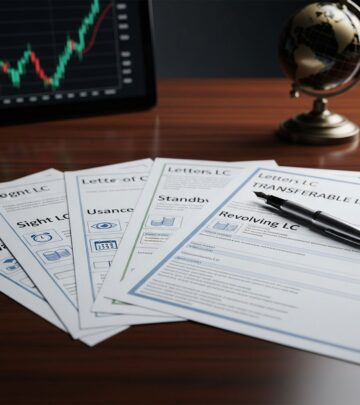
Different international transactions require different structures of letters of credit. Understanding the various types helps businesses select the most appropriate instrument for their specific circumstances:
Revocable vs. Irrevocable Letters of Credit
A revocable letter of credit can be modified or cancelled by the issuing bank or the buyer at any time without notifying the seller. While this provides flexibility for the buyer, it offers minimal protection to the seller, as payment is not guaranteed. Irrevocable letters of credit, by contrast, cannot be changed or cancelled without the explicit consent of all parties involved. This provides stronger protection to the exporter and is the most commonly used form in international trade.
Confirmed vs. Unconfirmed Letters of Credit
An unconfirmed letter of credit carries the commitment of only the issuing bank (typically the importer’s bank). A confirmed letter of credit, however, includes an additional guarantee from the exporter’s bank. This second layer of commitment makes confirmed letters of credit more secure for exporters, particularly when dealing with banks in countries with uncertain political or economic stability.
Sight vs. Time Letters of Credit
Sight letters of credit require payment to be made upon presentation of compliant documents, without any waiting period. Time letters of credit, also called usance letters of credit, specify a future date for payment, such as 30, 60, or 90 days after document presentation. Time letters of credit can be advantageous for importers seeking extended payment terms.
Standby Letters of Credit
Unlike traditional commercial letters of credit tied to the shipment of goods, standby letters of credit function more like insurance policies. They are used when a primary obligation may not be fulfilled, such as in loan agreements, performance bonds, or other financial commitments.
The Letter of Credit Process: Step-by-Step
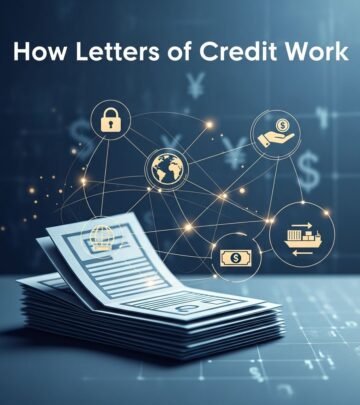
The typical journey of a letter of credit involves multiple stages and several parties working in coordination:
1. Sales Agreement and Application
The process begins when the exporter and importer agree on the terms of the sale, including the product specifications, quantity, price, delivery terms, and payment method. Once both parties commit to using a letter of credit, the importer applies to their bank with a formal request to open the letter of credit. The importer must provide their bank with information about the transaction and proof of their creditworthiness.
2. Letter of Credit Issuance
The importer’s bank, known as the issuing bank, drafts the letter of credit based on the sales agreement terms and conditions. This document contains detailed specifications about what must be presented for payment, including the type of goods, quantities, prices, shipping terms, and required documentation such as bills of lading, invoices, certificates of origin, and insurance documents.
3. Transmission and Review
The issuing bank transmits the letter of credit to the exporter’s bank, known as the advising bank or confirming bank. The exporter’s bank reviews the document to ensure it complies with standard banking practices and is consistent with the agreed-upon transaction terms. The exporter’s bank then notifies the exporter that the letter of credit has been received and is available for use.
4. Shipment and Document Preparation
Upon receipt of the letter of credit, the exporter proceeds with shipping the goods according to the specified terms. Simultaneously, the exporter (often with assistance from freight forwarders and customs brokers) prepares all required documents meticulously. Any discrepancies or errors in these documents can result in the issuing bank refusing to pay, causing significant delays and complications.
5. Document Submission and Verification
The exporter submits all required documents to their bank within the time frame specified in the letter of credit. The advising or confirming bank carefully reviews these documents for compliance with the letter of credit terms. This examination is highly technical and focuses on whether the documents precisely match the requirements, not on the actual condition or quality of the goods themselves.
6. Payment Authorization and Release
Once the exporter’s bank confirms that all documents comply with the letter of credit requirements, it submits the complying documents to the issuing bank. The importer’s bank then releases payment to the exporter’s bank, which credits the exporter’s account. The importer’s bank simultaneously releases the documents to the importer, allowing them to claim the goods from the carrier and clear customs.
Advantages of Using Letters of Credit
Letters of credit offer several compelling benefits that explain their continued widespread use in international trade:
- Payment Security for Exporters: The exporter receives a guarantee of payment from a reputable bank, eliminating the risk of non-payment or default by the importer.
- Reduced Credit Risk: The substitution of bank credit for buyer credit significantly reduces the exporter’s exposure to the importer’s financial instability or insolvency.
- Access to Financing: Exporters can often use letters of credit as collateral to obtain pre-shipment or post-shipment financing from banks.
- Competitive Advantage: Offering payment through letters of credit can help exporters compete for international business by providing buyers with confidence in the transaction.
- Trade Facilitation: Letters of credit streamline international transactions by providing clear guidelines and standardized procedures recognized globally.
- Importer Protection: Importers can ensure that goods matching their specifications are actually shipped before payment is released.
Disadvantages and Challenges
Despite their benefits, letters of credit come with significant drawbacks that businesses should carefully consider:
- High Cost: Banks charge fees for issuing, confirming, advising, and negotiating letters of credit. These fees typically range from 1% to 3% of the transaction value, which can be substantial for large shipments.
- Time Consumption: The process of obtaining and managing a letter of credit is lengthy and requires coordination among multiple parties, potentially delaying the transaction.
- Documentation Requirements: The extensive documentation requirements create opportunities for errors and discrepancies. Even minor mistakes in documents can lead to payment rejection and disputes.
- Technical Complexity: The strict compliance standards applied by banks mean that documents must meet precise specifications. Sellers who are unfamiliar with these requirements may struggle to prepare compliant documentation.
- Inflexibility: Once issued, irrevocable letters of credit cannot be easily modified if circumstances change, which can create problems if there are minor variations in the transaction.
- Dispute Resolution Challenges: When disputes arise regarding whether documents are compliant, resolving them can be time-consuming and contentious.
When to Use a Letter of Credit
While letters of credit provide valuable protections, they are not appropriate for every transaction. Exporters and importers should consider using letters of credit in the following situations:
- New Trade Relationships: When dealing with buyers or sellers you have not previously worked with and trust has not yet been established.
- High-Risk Transactions: When conducting business in countries with significant political or economic instability, or where legal protections may be uncertain.
- Large Transaction Values: When the amounts involved are substantial enough to justify the cost and complexity of the letter of credit process.
- Extended Payment Terms: When buyers request extended credit periods beyond what the exporter would normally offer without additional security.
- Poor Credit Information: When the importer’s creditworthiness cannot be adequately assessed through normal credit investigation.
- Regulatory Requirements: When regulations or industry practices in specific sectors or countries require the use of letters of credit.
Best Practices for Managing Letters of Credit
To maximize the benefits and minimize the problems associated with letters of credit, businesses should follow these best practices:
- Professional Preparation: Hire experienced professionals, such as freight forwarders or trade compliance specialists, to prepare documents. Their expertise helps ensure that documents meet all requirements and reduces the likelihood of costly discrepancies.
- Bank Consultation: Before the buyer applies for a letter of credit, consult with your bank about the appropriate type, size, and terms for your transaction. Discuss fees, dispute resolution procedures, and any special requirements.
- Clear Documentation Requirements: Ensure that the sales agreement and letter of credit contain clear, specific requirements for all necessary documents. Ambiguous requirements can lead to disputes.
- Timely Communication: Maintain regular communication with your bank and the buyer throughout the process. Address any issues or questions immediately to prevent delays.
- Document Review: Carefully review all documents before submission to ensure they precisely match the letter of credit requirements.
- Backup Financing: Arrange alternative financing options in case the letter of credit process encounters delays that affect your cash flow.
Comparison of Payment Methods in International Trade
| Payment Method | Exporter Security | Importer Security | Cost | Processing Time |
|---|---|---|---|---|
| Letter of Credit | Very High | High | High (1-3%) | 5-10 days |
| Cash in Advance | Very High | Very Low | Low | 1-2 days |
| Open Account | Low | Very High | Low | 1-2 days |
| Documentary Collection | Medium | Medium | Low-Medium | 3-7 days |
Frequently Asked Questions About Letters of Credit
Q: Who pays for the letter of credit?
A: Typically, the importer (buyer) pays the fees associated with opening and maintaining the letter of credit, as it is requested by the importer. However, in some cases, these costs may be negotiated and shared between the buyer and seller based on the bargaining power and market conditions.
Q: How long does the letter of credit process take?
A: The entire process typically takes between 5 to 10 business days from the time the importer applies for the letter of credit to when the exporter receives payment. This timeline can vary depending on the complexity of the transaction, the efficiency of the banks involved, and how quickly documents are prepared and submitted.
Q: What happens if documents have discrepancies?
A: If the submitted documents contain discrepancies or errors, the issuing bank will typically reject them and notify the exporter of the discrepancies. The exporter then has the opportunity to correct the documents and resubmit them. However, this process causes delays in payment, and the exporter may incur additional fees.
Q: Can a letter of credit be transferred to another party?
A: Some letters of credit are issued as transferable, which allows the exporter to transfer the credit to a third party, such as a supplier. This is useful in situations where an exporter is acting as a middleman in the transaction. However, only certain types of letters of credit can be transferred, and specific conditions must be met.
Q: Are letters of credit used in domestic transactions?
A: While letters of credit are primarily used in international trade, they can occasionally be used in domestic transactions where there are concerns about creditworthiness or when large, high-value transactions are involved. However, they are far less common domestically because parties typically have better credit information and legal recourse options available.
Q: What is the difference between an advised and a confirmed letter of credit?
A: An advised letter of credit is one where the exporter’s bank simply notifies the exporter of the credit issued by the importer’s bank but does not add its own commitment. A confirmed letter of credit includes a commitment from both the importer’s bank and the exporter’s bank to pay, providing an additional layer of security for the exporter.
References
- Letter of Credit — U.S. International Trade Administration. 2024. https://www.trade.gov/letter-credit
- The Uniform Customs and Practice for Documentary Credits (UCP 600) — International Chamber of Commerce. 2007. https://iccwbo.org/
- Export Guide: Letter of Credit Basics — U.S. International Trade Administration. 2024. https://www.trade.gov/
- Understanding International Trade Finance — World Bank Trade Finance Program. 2023. https://www.worldbank.org/
- Documentary Credits for Importers and Exporters — Asian Development Bank. 2022. https://www.adb.org/
Similar Articles








Read full bio of Sneha Tete