Lessor: Definition, Responsibilities, and Lease Types
Complete guide to lessors: roles, responsibilities, lease classifications, and accounting standards.
Understanding the Lessor
A lessor is the owner of a property or asset who allows another party, known as a lessee, to use that asset under the terms of a formal lease agreement. In exchange for granting use rights, the lessor receives regular periodic payments from the lessee. The lessor maintains legal ownership of the asset throughout the lease term while the lessee obtains the right to possess and use the asset for a specified duration.
Leasing arrangements are fundamental to modern business operations and personal finance. Whether it involves commercial real estate, vehicles, equipment, or machinery, the lessor-lessee relationship provides a structured framework for asset utilization. The lease agreement itself is a legally binding contract that outlines the rights, obligations, and responsibilities of both parties involved in the transaction.
The Lessor vs. Other Parties
While the term “lessor” is sometimes confused with similar financial roles, it has distinct characteristics that differentiate it from other parties in financial arrangements.
Lessor vs. Lessee
The primary distinction in a lease agreement is between the lessor and the lessee. The lessor is the asset owner who retains legal ownership and receives lease payments. The lessee is the party who obtains the right to use the asset and makes periodic payments to the lessor. This fundamental difference creates distinct responsibilities for each party. The lessor typically handles major repairs and maintenance, while the lessee may be responsible for routine upkeep depending on the lease terms. The lessor bears the risk of asset depreciation and obsolescence, while the lessee assumes operational risks during the lease term.
Lessor vs. Lienholder
A lessor differs significantly from a lienholder, even though both parties have legal interests in assets. A lienholder, also called a lender or creditor, possesses a legal right to take possession of an asset to satisfy a debt or contractual obligation. This relationship arises from a loan transaction where the lender retains interest in the asset until the loan is fully repaid. In contrast, a lessor’s relationship with the lessee is based on granting temporary use rights rather than securing a debt. If a lease defaults, the lessee loses access to the asset. If a loan defaults, the lienholder may seize the asset to recover the debt. These represent fundamentally different legal and financial relationships.
Key Responsibilities of a Lessor
The lessor bears several important responsibilities throughout the lease term to maintain the asset and fulfill contractual obligations.
Maintenance and Repairs
The lessor is typically responsible for major maintenance, repairs, and structural integrity of the leased asset. For real estate leases, this includes maintaining the building structure, roof, foundation, and major systems. For equipment leases, the lessor ensures the asset remains in operational condition suitable for the agreed-upon use. Routine maintenance requirements may be divided between lessor and lessee depending on lease terms, but significant repairs remain the lessor’s responsibility.
Property Taxes and Insurance
As the legal owner, the lessor is generally responsible for property taxes, insurance premiums, and other ownership-related costs. These expenses protect the lessor’s asset investment and ensure adequate coverage during the lease term. In some commercial lease arrangements, lessees may be required to reimburse lessors for certain taxes and insurance costs through additional payments.
Asset Depreciation Risk
The lessor assumes the risk of asset depreciation during the lease term. As the asset ages and loses value, the lessor experiences this loss as the legal owner. This depreciation risk is a fundamental aspect of the lessor’s position and influences lease pricing strategies. Lessors typically set lease payments to account for expected depreciation over the lease term.
Collection and Payment Management
The lessor is responsible for managing lease payments, tracking payment schedules, and enforcing collection if payments are missed. The lessor must monitor the lessee’s compliance with payment obligations and take appropriate action if defaults occur. This includes potential legal action to recover unpaid amounts or repossess the asset if authorized under the lease agreement.
Sublease Arrangements
In some situations, a lessee may enter into a sublease arrangement where they allow a third party to use the asset. In this scenario, the original lessee becomes a sublessor. The sublessor occupies a unique dual position: they are a lessee in their relationship with the original lessor and simultaneously a lessor in their relationship with the sublessee. The sublessee interacts only with the sublessor and maintains no direct contractual relationship with the original lessor. This layered structure means the sublessor must fulfill lease obligations to both the original lessor and the sublessee, creating a chain of lease relationships.
Sale-Leaseback Transactions
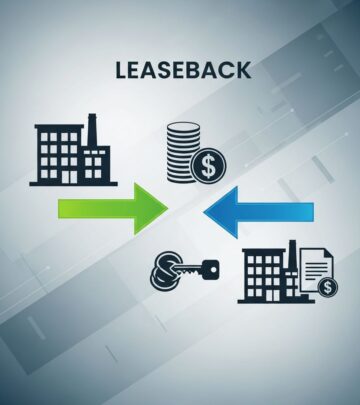
A specialized type of lease arrangement is the sale-leaseback agreement. In these transactions, the original owner of an asset sells it to another party, typically a leasing company or financial institution, and simultaneously leases it back from the new owner. The seller becomes the lessee while the buyer becomes the lessor. This arrangement allows the original owner to convert an illiquid asset into liquid capital while continuing to use the asset in operations. The new lessor gains a steady, predictable income stream from the lease payments. Sale-leaseback arrangements are particularly common in real estate and equipment financing, allowing businesses to free up capital for other operational needs without disrupting asset usage.
Lease Classification for Lessors
For accounting and financial reporting purposes, lessors must classify their leases into specific categories. Each classification has distinct accounting implications and affects how lessors record lease transactions on their financial statements.
Operating Leases
In an operating lease, the lessor retains substantially all benefits and risks associated with asset ownership. The lessor recognizes the leased asset as a fixed asset on the balance sheet and recognizes lease income on the income statement as rental income. The lessor remains responsible for maintenance, repairs, insurance, and property taxes. Operating leases typically have shorter terms relative to the asset’s useful life, and the asset reverts to the lessor when the lease ends. The lessor may reclaim the asset and lease it to other parties or sell it, retaining any residual value.
Sales-Type Leases
In a sales-type lease, the lessor transfers substantially all benefits and risks of asset ownership to the lessee. The lessor must derecognize the underlying leased asset from the balance sheet and instead record a net investment in the lease. Income from sales-type leases is divided into two components: a portion that reduces the net investment in the lease and another portion recognized as interest income on the income statement. This classification is common when manufacturers or dealers lease equipment they produce, effectively converting a sale transaction into a lease structure.
Direct Financing Leases
Direct financing leases are similar to sales-type leases in that substantially all ownership benefits and risks transfer to the lessee. The lessor derecognizes the underlying asset and records a net investment in the lease on the balance sheet. Like sales-type leases, income is divided between lease payment reductions and interest income recognition. Direct financing leases typically involve financial institutions or leasing companies that purchase assets specifically for leasing to other parties.
Accounting Standards and Compliance
Accounting treatment of lease transactions is governed by established standards that vary based on entity type and jurisdiction.
GASB 87 for Government Entities
The Governmental Accounting Standards Board (GASB) issued Statement 87, which established a single-model approach for government entity lessors and lessees. Under GASB 87, government lessors must record a lease receivable and corresponding deferred inflow of resources at the commencement of the lease term. This unified approach simplifies accounting treatment for public sector entities and enhances comparability of financial statements across government organizations. The requirements apply at the lease commencement date or the transition date to GASB 87, providing a consistent framework for recognizing and measuring lease transactions.
Private Sector Standards
Private sector lessors follow accounting standards such as ASC 842 (Accounting Standards Codification), which provides detailed guidance on lease classification, recognition, and measurement. These standards require lessors to assess whether leases are operating, sales-type, or direct financing leases based on specific criteria related to ownership benefits and risk transfer. Proper classification ensures accurate financial reporting and consistency in how lease transactions are presented to investors and stakeholders.
Lessor Rights and Remedies
Lease agreements grant lessors specific rights to protect their asset investment and ensure payment compliance. If a lessee fails to make payments, violates lease terms, or mistreats the property, the lessor typically has the right to terminate the lease early and repossess the asset. Legal remedies available to lessors may include pursuing court action to recover unpaid lease payments, obtaining judgments against the lessee, and enforcing liens against the lessee’s other assets. The specific rights and remedies available depend on the lease agreement terms and applicable law in the relevant jurisdiction.
Lessor Risks and Considerations
While leasing generates steady income, lessors face several inherent risks. Payment default risk occurs when lessees fail to make scheduled payments, creating cash flow disruptions for the lessor. Property damage risk arises when lessees fail to properly maintain the asset or damage it through misuse. Market risk affects the residual value of the asset when it reverts to the lessor at lease termination. Technology obsolescence risk is particularly relevant for equipment leases where assets may become outdated before lease termination. Lessors mitigate these risks through careful tenant or lessee screening, comprehensive insurance coverage, detailed lease agreements with clear remedies, and residual value estimation based on market conditions.
Frequently Asked Questions
What is the primary role of a lessor in a lease agreement?
The lessor is the asset owner who grants another party (the lessee) the right to use the asset in exchange for regular periodic payments. The lessor maintains legal ownership, receives rental income, and bears ultimate responsibility for the asset.
Who is responsible for maintenance in a lease agreement?
The lessor typically bears responsibility for major maintenance and repairs. However, specific maintenance obligations depend on the lease terms. Operating leases usually place all maintenance responsibility on the lessor, while capital leases may allocate routine maintenance to the lessee.
Can a lessee become a lessor?
Yes, a lessee can become a sublessor by subleasing the asset to another party. The sublessor acts as both a lessee to the original lessor and a lessor to the sublessee, maintaining contractual obligations to both parties.
What happens if a lessee defaults on payment?
If a lessee fails to make agreed-upon payments or violates lease terms, the lessor typically has the right to terminate the lease and repossess the asset. The lessor may also pursue legal action to recover unpaid amounts and damages.
How does a lessor recognize lease income?
For operating leases, the lessor recognizes rental income on the income statement. For sales-type and direct financing leases, the lessor recognizes income as part of the lease receivable reduction and separate interest income components.
What is a sale-leaseback arrangement?
A sale-leaseback is a transaction where an asset owner sells the asset and immediately leases it back from the buyer. The seller becomes the lessee, the buyer becomes the lessor, and the seller converts an illiquid asset into capital while maintaining use of the asset.
References
- Lessor vs. Lessee: Differences, Accounting & More Explained — FinQuery. 2025. https://finquery.com/blog/lessee-vs-lessor-differences-accounting-and-more-explained/
- Lessor vs Lessee — DataSnipper. 2025. https://www.datasnipper.com/resources/lessor-vs-lessee
- What is a Lessor? — DebtBook. 2025. https://www.debtbook.com/learn/blog/what-is-a-lessor
- Lessor vs Lessee – What You Need to Know About How Leases Work — Corporate Finance Institute. 2025. https://corporatefinanceinstitute.com/resources/accounting/lessor-vs-lessee/
Similar Articles








Read full bio of medha deb