Less Than Truckload (LTL): Definition & How It Works
Master LTL shipping: Cost-effective freight consolidation for businesses shipping partial loads.
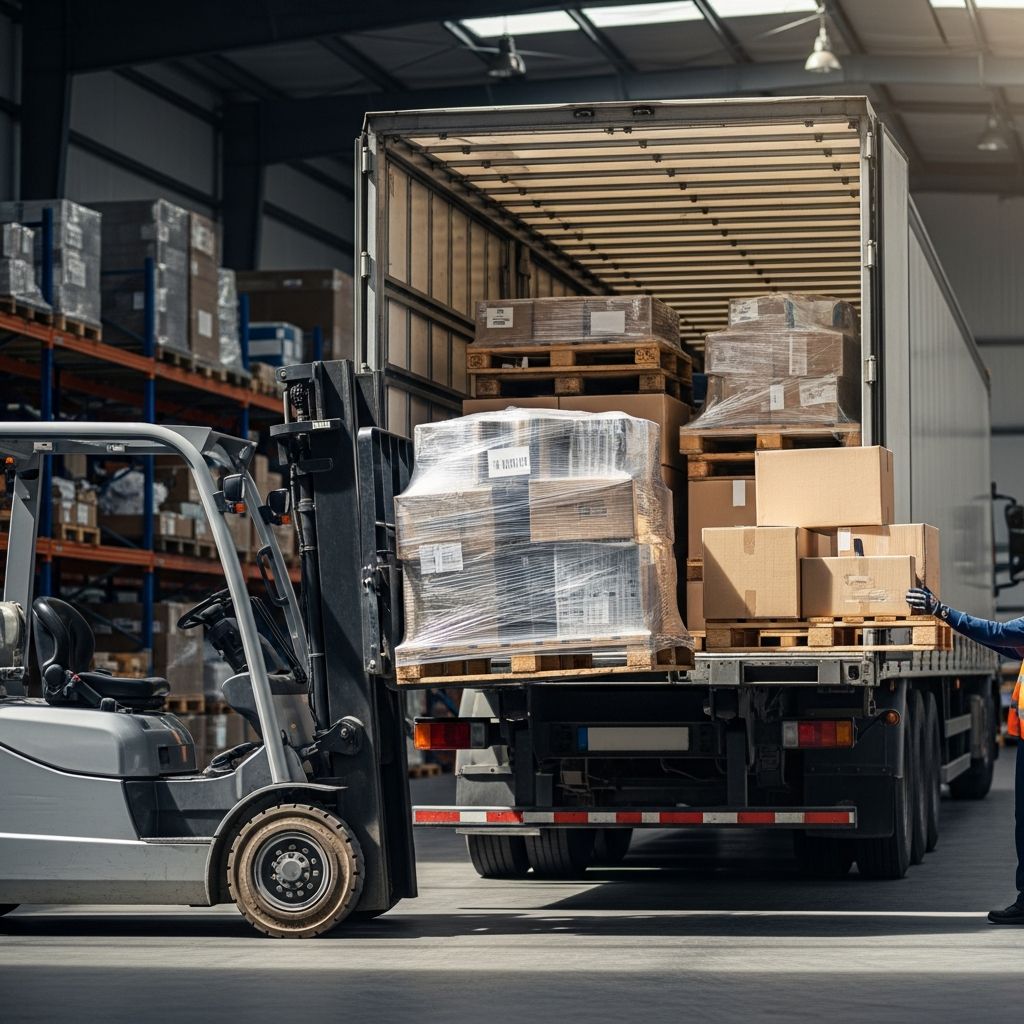
What Is Less-Than-Truckload (LTL) Shipping?
Less-than-truckload, commonly abbreviated as LTL, is a shipping method designed for freight that does not require an entire trailer to transport. Rather than paying for a full 48-foot or 53-foot truck when you only need partial space, LTL enables businesses to consolidate their shipments with other companies’ freight on a single vehicle. This shared-cost model makes transportation more economical for shippers with smaller or mid-sized loads that fall between 150 and 20,000 pounds.
The fundamental concept behind LTL is straightforward: multiple shippers combine their shipments into one trailer, each paying only for the portion of space their freight occupies. This approach eliminates wasted trailer capacity and provides businesses with a flexible, cost-effective transportation solution that doesn’t require them to commit to a dedicated full truckload.
Understanding LTL Definition and Core Concepts
To fully grasp LTL shipping, it’s important to understand how it differs from other freight transportation methods. While full truckload (FTL) shipping means one customer uses an entire trailer, LTL represents a middle ground that accommodates businesses with moderate shipping volumes. The weight range for typical LTL shipments spans from 150 pounds to 20,000 pounds, though some carriers classify LTL shipments as small as one parcel or as large as freight approaching full truckload capacity.
LTL carriers specialize in handling multiple shipments destined for various locations. Unlike parcel carriers that deal with small packages under 150 pounds, LTL carriers manage larger freight that requires more sophisticated handling and tracking systems. The key distinction is that LTL shipments maintain individual tracking even when consolidated on the same truck, ensuring each shipper knows exactly where their freight is at all times.
How Less-Than-Truckload Operations Work
LTL logistics operates through a highly organized network structure known as “hub and spoke” operations. This system consists of service terminals (hubs) at central locations and truck routes (spokes) that connect to various pickup and delivery points. Understanding this operational framework helps explain why LTL offers both advantages and certain considerations.
The Hub and Spoke Network
In a typical LTL operation, local terminals collect freight from multiple shippers in a geographic region. These shipments are then transported to a central hub or distribution center, where freight bound for similar destinations is consolidated into linehaul trucks. These linehaul routes connect major hubs across regions, moving consolidated freight toward its final destination area. Once freight reaches the destination region’s hub, it is sorted again and assigned to local delivery trucks for final-mile delivery to individual consignees.
This system maximizes efficiency by ensuring trucks operate with full or near-full capacity on long-haul routes while maintaining the flexibility to serve multiple customers in local areas. Most LTL carriers schedule pickups in the afternoon and arrange deliveries in the morning, optimizing their routes based on typical business hours and customer needs.
Freight Consolidation Principles
LTL carriers strongly prefer shipments with the fewest handling units possible. A single pallet containing multiple boxes wrapped together is far more efficient to handle than many individual boxes. This preference stems from the economics of LTL operations: each additional handling unit increases labor costs and exposes freight to a higher risk of damage during transit. Palletized or crated freight that moves as one unit reduces both handling expenses and liability concerns.
LTL vs. Full Truckload (FTL) Shipping
Choosing between LTL and full truckload shipping depends on several factors specific to your business needs and shipment characteristics. These two transportation modes serve different purposes and offer distinct advantages and trade-offs.
| Factor | LTL Shipping | Full Truckload (FTL) Shipping |
|---|---|---|
| Typical Weight | 150–20,000 pounds | 20,000+ pounds (entire trailer) |
| Cost Model | Pay for space used only | Pay for entire trailer |
| Number of Stops | Multiple stops for consolidation | Direct point-to-point delivery |
| Transit Time | Longer (due to multiple stops) | Faster (direct route) |
| Handling Risk | Slightly higher (more handling) | Lower (minimal handling) |
| Best For | Frequent smaller shipments | Large volume shipments |
| Flexibility | High (no need to wait for full load) | Lower (requires consolidated volume) |
For businesses shipping smaller quantities regularly, LTL provides significant cost advantages because you avoid paying for unused trailer space. However, if you consistently ship large volumes that approach or exceed 20,000 pounds, an FTL arrangement may offer better economics and faster transit times. The key is evaluating your typical shipment sizes and frequency to determine which mode aligns best with your operational needs.
LTL vs. Partial Truckload (PTL) Shipping
A third shipping option called Partial Truckload (PTL) exists in the middle ground between LTL and full truckload services. While LTL handles multiple shippers with numerous stops, PTL serves shipments that are too large for standard LTL consolidation but too small to justify a dedicated full truckload. PTL typically involves fewer stops and more direct routing than LTL, resulting in faster delivery and lower handling risk.
PTL generally works best for shipments exceeding half a trailer’s capacity but not filling it completely. If your freight takes up more than half a 53-foot trailer, PTL often proves more cost-efficient and faster than combining it with other shippers through LTL networks. The trade-off is that PTL costs more per pound than LTL but offers superior speed and lower damage risk compared to full consolidation scenarios.
Key Benefits of LTL Shipping
LTL shipping delivers multiple advantages that make it attractive for businesses of various sizes, particularly those with moderate shipping volumes.
Cost Efficiency
The most obvious benefit of LTL is cost savings. By sharing trailer space with other shippers, you pay only for the cubic footage and weight your freight occupies rather than renting an entire truck. For businesses shipping less than full truckload quantities, this cost structure is dramatically more economical than securing dedicated transportation. The per-pound rates offered by LTL carriers are typically more competitive than parcel carrier rates for freight exceeding 150 pounds.
Scheduling Flexibility
LTL shipping eliminates the need to accumulate inventory until you have enough volume to fill a truck. You can ship smaller quantities more frequently without waiting, improving cash flow and reducing warehousing expenses. This flexibility allows businesses to maintain leaner inventory levels and respond more quickly to customer demands or market opportunities.
Shipment Visibility and Tracking
Despite being consolidated with other shipments, each LTL freight receives individual tracking throughout its journey. Shippers maintain full visibility into their cargo’s location and status from pickup through delivery, enabling better supply chain coordination and customer communication.
Environmental Benefits
Consolidating multiple shipments into one truck reduces overall fuel consumption and carbon emissions compared to multiple vehicles delivering partial loads. This shared transportation approach makes LTL a more environmentally responsible choice for businesses seeking to reduce their logistics footprint.
LTL Freight Rating and Cost Factors
Understanding what determines LTL rates is essential for predicting shipping costs and finding ways to optimize expenses. LTL pricing is significantly more complex than full truckload rates because multiple variables influence the final cost.
Primary Rate-Determining Factors
Weight: Heavier shipments cost more to transport. LTL rates typically increase with each additional pound or hundred-pound increment (called a hundredweight or cwt).
Freight Class: LTL carriers assign commodities to classes ranging from 50 to 500 based on density, stowability, handling difficulty, and liability. Higher class ratings result in higher per-pound rates.
Density: Freight density is calculated as weight divided by volume. Dense freight (heavy items in small spaces) rates better than light, bulky freight because it maximizes trailer space utilization.
Distance: The mileage between origin and destination significantly impacts costs. Longer distances generally cost more per mile, though many carriers use zip code-based pricing zones rather than precise mileage calculations.
Additional Surcharges: LTL carriers frequently apply fuel surcharges, residential delivery fees, lift-gate charges, and other accessorial fees that add to the base rate.
When to Use LTL Shipping
LTL shipping makes sense for your business if several conditions are met. Your freight should be durable or properly crated and palletized to withstand the handling involved in consolidation. You should not require a dedicated truck or exact delivery appointment time, as LTL operates on a fixed schedule. Finally, you should prioritize cost savings and operational flexibility over absolute speed.
Ideal LTL candidates include retailers receiving regular shipments from distributors, manufacturers shipping products to regional warehouses, and businesses with seasonal or variable shipping volumes. Any organization that needs to move freight exceeding parcel carrier limits (typically 150 pounds) but not filling an entire truck should evaluate LTL as a transportation solution.
Advantages and Considerations of LTL Shipping
Advantages
Affordability: LTL eliminates payment for unused trailer space, making it the most cost-effective option for smaller shipments.
Frequency: Businesses can ship more frequently without accumulating large inventory volumes, improving supply chain responsiveness.
Reduced Waste: Consolidation optimizes trailer capacity utilization, reducing empty miles and environmental impact.
Scalability: LTL accommodates growing businesses that haven’t yet reached consistent full-truckload volumes.
Considerations
Longer Transit Times: Multiple stops and consolidation at hubs result in longer delivery windows compared to FTL direct delivery.
Increased Handling: Freight passes through multiple facilities and is handled more times, slightly increasing damage risk compared to direct full truckload service.
Rate Complexity: LTL pricing involves numerous variables, making it harder to predict exact costs compared to straightforward FTL pricing.
Limited Direct Routes: LTL typically doesn’t offer direct point-to-point delivery; freight may travel through multiple hubs before reaching its destination.
Frequently Asked Questions About LTL Shipping
Q: What weight range qualifies as LTL freight?
A: LTL shipments typically range from 150 to 20,000 pounds. Freight below 150 pounds usually qualifies for parcel carrier services, while freight exceeding 20,000 pounds generally justifies full truckload shipments.
Q: How much faster is full truckload shipping compared to LTL?
A: Full truckload typically delivers 1-3 days faster than LTL because it travels directly from origin to destination without consolidation stops or hub delays. The exact time difference depends on the distance and routing.
Q: Can I use LTL for cross-country shipments?
A: Yes, LTL carriers operate nationwide networks with hub-and-spoke systems that effectively connect distant regions. Your freight is consolidated with other shipments heading in similar directions, enabling cost-effective long-distance delivery.
Q: What packaging requirements exist for LTL freight?
A: Freight should be palletized or crated and securely wrapped. Proper packaging protects your shipment during multiple handlings and consolidation processes. Carriers prefer single pallets with wrapped boxes over numerous individual packages.
Q: How do LTL carriers calculate class ratings?
A: Freight class is determined by density, stowability, handling requirements, and liability considerations. Items with higher density and easier handling receive lower class ratings (better rates), while light or difficult-to-handle items receive higher ratings.
Q: Is LTL or FTL better for my business?
A: If you regularly ship less than 20,000 pounds and value cost savings over speed, LTL is ideal. If you consistently ship full truckload quantities or prioritize fastest delivery, FTL makes more sense economically and operationally.
Optimizing Your LTL Shipping Strategy
To maximize benefits from LTL shipping, businesses should optimize freight presentation and consolidation practices. Ensure shipments are properly palletized and wrapped to minimize handling and damage risk. Consolidate multiple shipments destined for the same region when possible to improve carrier efficiency and potentially negotiate better rates. Monitor freight class assignments and consider requesting reviews if classifications seem inaccurate. Finally, compare rates across multiple carriers and use freight brokers to negotiate competitive pricing based on your shipping volume and patterns.
LTL shipping represents a practical solution for businesses navigating the space between parcel services and full truckload transportation. By understanding how LTL works, recognizing when it makes economic sense, and implementing optimization strategies, companies can significantly reduce logistics costs while maintaining supply chain flexibility and reliability.
References
- Less-than-truckload shipping — Wikipedia. Accessed 2025. https://en.wikipedia.org/wiki/Less-than-truckload_shipping
- Understanding LTL Meaning and Fundamentals — ATS Logistics. https://atslogistics.com/decoding-ltl-meaning-understanding-less-than-truckload-shipping-fundamentals/
- LTL Freight Shipping Services — Freightquote. https://www.freightquote.com/define/what-is-ltl-freight-shipping/
- What Is LTL Freight Shipping? How Less-Than-Truckload Works — Anderson Trucking Service. https://www.atsinc.com/blog/what-is-ltl-freight-definition-examples
- Less Than Truckload Shipping: An Ultimate Guide — PLS Logistics. https://www.plslogistics.com/blog/less-than-truckload-shipping-an-ultimate-guide/
- What Is Less-Than-Truckload (LTL)? — XPO. https://www.xpo.com/resource-center/ltl/what-is-less-than-truckload/
Similar Articles








Read full bio of medha deb