LEED Certification: Complete Guide To Benefits, Costs, Levels
Discover how LEED certification transforms buildings into eco-friendly powerhouses, slashing costs and boosting occupant health worldwide.
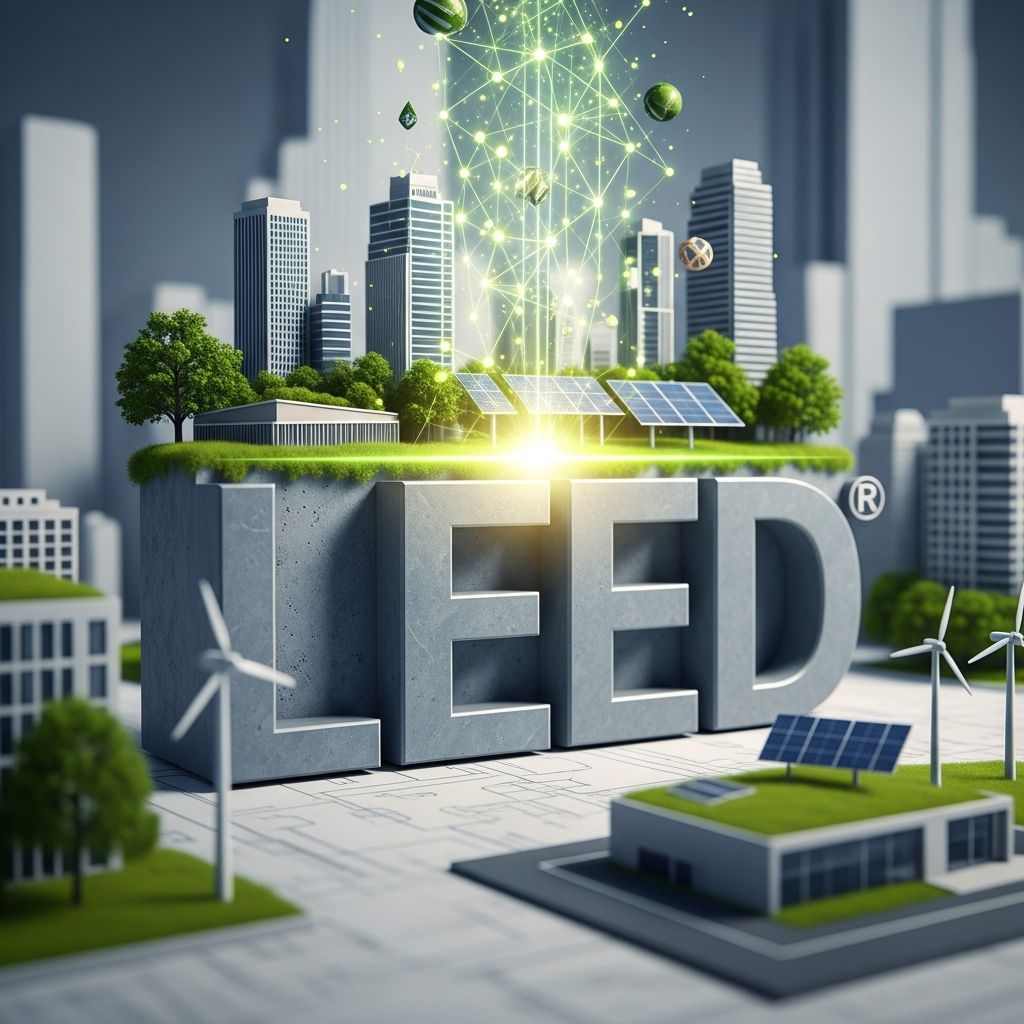
LEED, or Leadership in Energy and Environmental Design, represents the premier global benchmark for sustainable building practices. Developed by the U.S. Green Building Council (USGBC), this certification system evaluates structures based on their environmental performance, resource efficiency, and occupant well-being, ensuring projects meet stringent criteria across multiple categories.
Origins and Purpose of LEED
The LEED program emerged in the early 2000s to address growing concerns over building-related environmental degradation. Buildings account for nearly 40% of global energy use and significant carbon emissions, making sustainable design critical. LEED provides a framework for developers, architects, and owners to minimize these impacts while enhancing building functionality.
Its core purpose is to promote buildings that conserve resources, reduce waste, and foster healthier indoor environments. Over decades, LEED has evolved through versions like v4, v4.1, and the emerging v5, incorporating advancements in technology and science to align with international climate goals.
How LEED Certification Works
Certification follows a rigorous, point-based system administered by the Green Business Certification Inc. (GBCI), an independent third party. Projects register, implement strategies, document compliance, and undergo review. Key evaluation areas include sustainable sites, water efficiency, energy performance, materials, indoor environmental quality, and innovation.
- Location and Transportation: Prioritizes sites near public transit to cut vehicle emissions.
- Sustainable Sites: Focuses on protecting ecosystems and stormwater management.
- Water Efficiency: Targets reductions through low-flow fixtures and landscaping.
- Energy and Atmosphere: Emphasizes renewable energy and high-efficiency systems.
- Materials and Resources: Promotes recycled content and waste diversion.
- Indoor Environmental Quality: Ensures superior ventilation and daylighting.
- Innovation and Regional Priority: Rewards cutting-edge solutions and local challenges.
Projects must meet prerequisites in each category before earning points toward certification levels.
Certification Levels and Requirements
LEED awards four levels based on total points: Certified (40-49), Silver (50-59), Gold (60-79), and Platinum (80+). Higher levels demand greater sustainability integration, from basic efficiencies to transformative designs.
| Level | Points Required | Typical Achievements |
|---|---|---|
| Certified | 40-49 | Fundamental efficiencies in energy and water. |
| Silver | 50-59 | Enhanced resource conservation and IAQ improvements. |
| Gold | 60-79 | Significant emissions reductions and innovative features. |
| Platinum | 80+ | Net-zero aspirations and exemplary performance. |
Recertification every five years ensures ongoing compliance, with programs like LEED Zero targeting net-zero carbon and energy.
Economic Advantages for Property Owners
LEED-certified buildings deliver substantial financial returns. They achieve 25-40% energy savings compared to conventional structures, translating to billions in avoided costs—$1.2 billion in energy alone from 2015-2018 projects. Water savings reach 11-50%, and maintenance expenses drop by hundreds of millions.
Market data shows LEED properties command rent premiums, 4% higher occupancy, and up to 11% sales value increases. Tax incentives, expedited permits, and zoning benefits further enhance ROI. Lifecycle analyses confirm lower total ownership costs due to durable, efficient systems.
Environmental Impacts and Global Reach
Certified projects reduce CO2 emissions by 30-34%, divert 50% more waste from landfills, and conserve water by 40-50%. They protect habitats, minimize pollution, and support biodiversity through thoughtful site selection.
With tens of thousands of projects worldwide, LEED drives industry-wide sustainability, influencing codes and standards globally.
Health and Wellness Gains for Occupants
Superior indoor air quality (IAQ) from low-emission materials and ventilation cuts pollutants, benefiting those with respiratory issues. Access to daylight and views boosts productivity, reduces absenteeism, and enhances mood. Studies link LEED spaces to higher satisfaction and retention rates.
Steps to Pursue LEED Certification
- Project Registration: Enroll via USGBC portal and select rating system (BD+C for new construction, O+M for operations).
- Team Assembly: Engage LEED Accredited Professionals (LEAPs) for guidance.
- Design and Construction: Integrate strategies across categories, tracking points.
- Documentation: Submit evidence for prerequisites and credits.
- Review and Certification: GBCI verifies; appeal if needed.
- Recertify: Monitor performance for renewal.
Costs vary by project size but yield rapid payback through efficiencies.
LEED in Residential and Community Settings
While commercial-focused, LEED Homes and Neighborhood Development (LEED ND) apply to residences and communities. These promote walkable designs, energy-efficient homes, and habitat preservation, elevating property values and utility savings for homeowners.
Challenges and Future Directions
Upfront costs and complexity deter some, but long-term gains outweigh them. Future iterations like LEED v5 will emphasize embodied carbon, resilience, and equity, aligning with net-zero imperatives.
Frequently Asked Questions (FAQs)
What is the cost of LEED certification?
Fees range from $1,000-$25,000+ depending on project scope, offset by incentives and savings.
How long does certification take?
Typically 6-24 months, from registration to plaque.
Can existing buildings get LEED certified?
Yes, via LEED O+M for operations and maintenance.
Does LEED guarantee net-zero energy?
Not automatically, but Platinum and LEED Zero target it.
Who administers LEED?
USGBC develops standards; GBCI certifies.
References
- What is LEED Certification | What It Means for Green Building — PRL Glass. 2026. https://prlglass.com/blog/what-is-leed-certification/
- What are LEED certifications and their benefits? — Sphera Sostenible. N/A. https://www.spherasostenible.com/what-is-leed-certification
- 6 Benefits of LEED Certification — EnergyLink. N/A. https://goenergylink.com/blog/six-benefits-of-leed-certification/
- LEED certification: meaning and requirements — Greenly. N/A. https://greenly.earth/en-us/blog/company-guide/leed-certification-meaning-and-requirements
- LEED Certification and What It Means for Your Community — Associa. N/A. https://hub.associaonline.com/blog/leed-certification-and-what-it-means-for-your-community
Similar Articles








Read full bio of medha deb