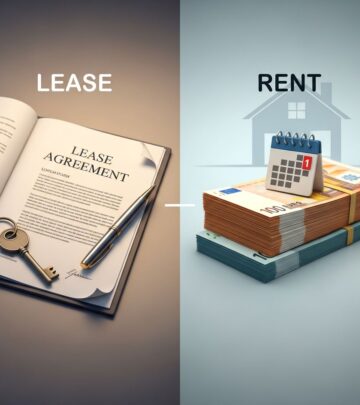
Leasing vs Renting: Key Differences Explained
Discover the essential distinctions between leasing and renting to make informed housing decisions for your lifestyle and budget.
Choosing between leasing and renting a property involves understanding their fundamental distinctions, primarily in duration, flexibility, and financial commitments. Leasing typically locks tenants into longer terms with fixed conditions, while renting offers shorter, more adaptable arrangements.
Defining the Basics of Rental Arrangements
Rental options for housing come in various forms, each suited to different needs. At its core, a rental agreement allows individuals to occupy a property in exchange for periodic payments to the owner. However, the terms ‘renting’ and ‘leasing’ describe distinct contractual setups that impact everything from move-in flexibility to long-term planning.
Renting generally refers to short-term occupancy, often structured on a month-to-month basis. This setup provides quick entry and exit points, making it popular for transient lifestyles such as job relocations or temporary assignments. In contrast, leasing establishes a formal contract for an extended period, commonly 6 to 12 months or longer, emphasizing stability over spontaneity.
Core Distinctions in Duration and Commitment
The most prominent difference lies in the length of the agreement. Renting agreements renew automatically each month unless terminated with proper notice, typically 30 to 60 days. This brevity suits those anticipating changes in circumstances.
Leases, however, specify exact start and end dates, binding both parties for the full term. Breaking a lease early often incurs penalties, such as forfeiture of deposits or additional fees, reinforcing commitment. For instance, residential leases frequently span one year, while commercial ones may extend multiple years.
| Aspect | Renting | Leasing |
|---|---|---|
| Typical Duration | Month-to-month | 6-12 months or more |
| Termination Notice | 30-60 days | Fixed term; penalties for early exit |
| Renewal | Automatic monthly | Requires new agreement |
Financial Structures and Cost Predictability
Payment structures vary significantly. Renters face potentially fluctuating rates, as landlords can adjust monthly charges with notice, aligning with market shifts. This can lead to higher short-term costs but allows adaptation to economic changes.
Leasing guarantees fixed payments throughout the term, shielding tenants from mid-contract hikes. However, this stability comes at the cost of upfront commitments, like larger security deposits. Landlords benefit from predictable income, minimizing vacancy risks during the lease period.
- Security Deposits: Both require them, but leases often demand equivalents to 1-2 months’ rent.
- Additional Fees: Early lease termination may add charges; renting avoids this but risks frequent increases.
- Utilities and Extras: Leases might bundle costs in ‘gross’ formats, while net leases shift some to tenants.
Flexibility and Lifestyle Fit
Flexibility favors renting, enabling swift moves without contractual penalties. This appeals to students, traveling professionals, or those testing new neighborhoods. Seasonal properties or high-turnover areas thrive on such arrangements.
Leasing prioritizes consistency, ideal for families or long-term residents seeking budget certainty. Once signed, terms like rent amount and occupancy rules remain unchanged, fostering a sense of security. Yet, this rigidity can trap tenants in unwanted situations if life changes unexpectedly.
Responsibilities for Maintenance and Modifications
Maintenance duties differ based on the agreement. In renting scenarios, landlords typically handle major repairs, with tenants responsible for minor upkeep like bulb changes. Leases may delineate more specific roles, sometimes requiring tenants to manage small tasks or cosmetic alterations with approval.
Property changes are restricted in both, but leases occasionally permit minor personalizations if outlined. Overstepping can lead to deposit deductions or eviction proceedings.
Legal Frameworks and Tenant Protections
Both are governed by local, state, and federal laws favoring tenant rights, such as habitability standards. Rental agreements, being shorter, rely on standard protections with easier enforcement due to renewability.
Leases provide detailed, enforceable terms covering disputes, evictions, and renewals. This clarity benefits landlords in securing occupancy but demands careful review by tenants to avoid unfavorable clauses. Legal implications intensify with leases, where breaches can affect credit or lead to lawsuits.
Advantages and Drawbacks for Tenants
For tenants, renting offers unmatched mobility and lower initial commitment, perfect for uncertain futures. Drawbacks include potential rent escalations and less predictability.
Leasing delivers stable housing and protected rates, aiding financial planning. Cons involve exit barriers and possible higher deposits, limiting adaptability.
- Renting Pros: Easy relocation, no long-term lock-in, suits short stays.
- Renting Cons: Rent hikes, less stability.
- Leasing Pros: Fixed costs, long-term security.
- Leasing Cons: Penalties for leaving early, reduced flexibility.
Benefits and Challenges for Property Owners
Landlords favor leases for guaranteed revenue and reduced turnover expenses like cleaning or marketing. In tenant-heavy markets, this secures occupancy.
Renting enables rate adjustments to match demand, ideal for variable markets or seasonal units. It facilitates quick tenant swaps but risks prolonged vacancies.
| Perspective | Renting Benefits | Leasing Benefits |
|---|---|---|
| Landlord | Market-responsive pricing, fast turnover | Stable income, low vacancy |
| Tenant | High flexibility | Predictable expenses |
When to Choose Renting Over Leasing
Opt for renting if planning a move within months, testing a location, or preferring minimal commitments. It’s prevalent in dynamic urban areas or student housing.
Ideal Scenarios for Leasing
Select leasing for established roots, family needs, or budget stability. High-end complexes often mandate it to support amenities.
Frequently Asked Questions
Can a rental agreement convert to a lease?
Yes, tenants can negotiate a lease after initial renting, transitioning to longer terms with new conditions.
What happens at lease end?
Tenants vacate, renew, or shift to month-to-month unless specified otherwise.
Are deposits refundable in both?
Typically yes, post-inspection, minus damages or unpaid rent.
Does leasing impact credit more?
Lease breaches can harm credit; renting issues are shorter-lived.
Is one cheaper long-term?
Leasing often saves via fixed rates, but depends on market trends.
Navigating Choices in Today’s Market
In 2026, with housing dynamics evolving, evaluate personal goals against these options. Review contracts meticulously, consider local laws, and weigh lifestyle against finances for optimal decisions.
References
- Renting vs leasing an apartment: Understanding the difference — FS Residential. 2023. https://www.fsresidential.com/corporate/news-and-articles/articles/renting-vs-leasing-an-apartment/
- The Difference Between Leasing vs. Renting an Apartment — Bay Management Group. 2024. https://www.baymgmtgroup.com/blog/leasing-vs-renting-an-apartment/
- What is the Difference Between Lease vs. Rent? — Legal Templates. 2025. https://legaltemplates.net/resources/real-estate/lease-vs-rent/
- What Is the Difference Between Leasing and Renting? — Pauly Presley Realty. 2024. https://www.paulypresleyrealty.com/blog/what-is-the-difference-between-leasing-and-renting/
- The subtle difference between leasing and renting — Bungalow. 2023. https://bungalow.com/articles/the-subtle-difference-between-leasing-and-renting
- Renting vs. Leasing: Pros, Cons for Owners & Landlords — GNP Realty. 2024. https://www.gnprealty.com/news/renting-vs-leasingpros-and-cons-for-owners-and-landlords/
Similar Articles








Read full bio of medha deb