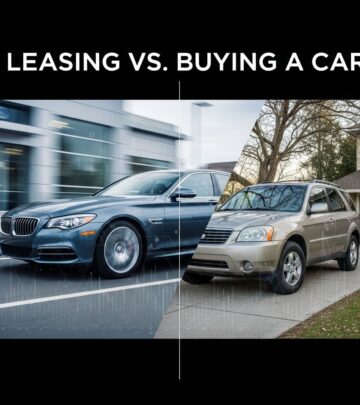
Leasing Vs. Buying A Car: Expert Guide To Choose Wisely
Discover the key differences between leasing and buying a car to make the smartest financial decision for your lifestyle and budget.

Deciding between
leasing
andbuying
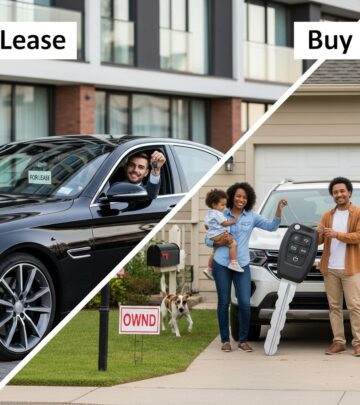
a car is a major financial choice that impacts your monthly budget, long-term costs, and driving experience. Leasing offers lower monthly payments and access to newer vehicles, while buying provides ownership and potential savings over time. This comprehensive guide breaks down the differences, costs, pros, cons, and key considerations to help you choose wisely.Leasing vs. Buying: Quick Overview
Leasing allows you to use a new car for a fixed term (typically 2-3 years) with lower monthly payments, as you’re only paying for the vehicle’s depreciation during that period plus fees. At the end, you return the car or buy it out. Buying means financing the full purchase price through a loan, owning the vehicle outright after payments end, and benefiting from its full value over years of use. According to Consumer Reports, leasing often costs more long-term because you’re perpetually paying during peak depreciation, while buying and keeping a car until repairs become uneconomical is the cheapest option.
How Leasing and Buying Differ
Understanding the core differences helps clarify which path aligns with your needs. Here’s a detailed comparison:
| Aspect | Buying | Leasing |
|---|---|---|
| Ownership | You own the vehicle outright after loan payoff and can keep it indefinitely. | You don’t own it; return at lease end unless buying it out. |
| Up-Front Costs | Down payment, taxes, registration, fees (higher initial outlay). | First month’s payment, security deposit, acquisition fee, taxes (often lower). |
| Monthly Payments | Higher, covering full price plus interest, taxes, fees. | Lower, covering depreciation, rent charges, taxes, fees. |
| Early Termination | Sell or trade anytime; use proceeds for loan balance. | Costly fees; dealer trade-in possible but expensive. |
| Mileage Limits | Unlimited; high miles affect resale value. | Typically 10,000-12,000 miles/year; excess fees apply. |
| Wear & Tear | Your responsibility; impacts resale. | Lessee pays for excessive damage beyond normal. |
| End of Term | No payments; equity for next vehicle. | Return, buyout, or new lease; no equity built. |
| Customization | Freely modify (may void warranty). | Remove mods at end; damage fees possible. |
This table highlights why leasing suits short-term drivers wanting luxury, while buying favors long-haul owners.
Pros and Cons of Leasing a Car
Leasing appeals to those prioritizing affordability and novelty.
Pros of Leasing
- Lower Monthly Payments: Payments cover only depreciation, often 30-60% less than loans, freeing budget for other needs.
- Drive Newer/Higher-End Cars: Access luxury models unaffordable to buy; upgrade every 2-3 years to latest tech.
- Lower Upfront Costs: Minimal down payments compared to buying.
- Warranty Coverage: Leases align with factory warranties, minimizing repair bills.
- Less Maintenance: Newer cars mean fewer issues; avoid long-term depreciation risk.
- Business Tax Benefits: Deduct payments as expenses for business use.
Cons of Leasing
- No Ownership/Equity: No asset at end; perpetual payments if re-leasing.
- Mileage Restrictions: Overage fees (e.g., $0.15-$0.30/mile) add up for high drivers.
- Wear & Tear Charges: Dings, stains cost extra at return.
- Higher Insurance: Required comprehensive coverage increases premiums.
- Early Exit Penalties: Breaking lease is expensive.
- Long-Term Costlier: Continuous leasing exceeds buying costs.
Pros and Cons of Buying a Car
Buying builds wealth through ownership but demands higher commitment.
Pros of Buying
- Full Ownership: Keep forever post-loan; sell or pass on anytime.
- Unlimited Miles: Drive freely without fees.
- Build Equity: Vehicle value offsets future purchases.
- Customize Freely: Modify without return worries.
- Long-Term Savings: No payments after loan; cheapest over time.
- Lower Insurance Long-Term: Drop comprehensive once paid off.
Cons of Buying
- Higher Payments: Cover full price plus interest.
- Larger Down Payment: More upfront cash needed.
- Depreciation Hit: You absorb full value loss.
- Maintenance Costs: Rise after warranty; older cars pricier.
- Less Flexibility: Stuck if lifestyle changes quickly.
Leasing Costs Explained
Lease payments = (Depreciation + Finance Charge + Taxes/Fees) / Term. Key factors:
- Capitalized Cost: Negotiable price (like purchase price).
- Residual Value: Projected end value; higher residual = lower payments.
- Money Factor: Interest rate (e.g., 0.0025 = 6% APR).
- Fees: Acquisition ($500-1000), disposition ($300-500), taxes.
Example: $30,000 car, 36 months, 50% residual ($15,000), 5% money factor. Depreciation: $15,000/36 = $417/mo. Finance: ~$208/mo. Total ~$625/mo + taxes. Negotiate cap cost aggressively.
Buying Costs Explained
Loan payments = Principal + Interest + Taxes/Fees. Use auto loan calculators for estimates. Factors:
- Loan Amount: Price – down payment.
- Interest Rate: Credit-based; shop lenders.
- Term: 36-72 months; longer = lower payments, more interest.
Post-loan, costs shift to insurance, maintenance, fuel. Total ownership cost (TCO) tools from Edmunds or Kelley Blue Book help compare.
Financial Comparison: Lease vs. Buy Calculator Insights
Run scenarios: Lease a $40,000 SUV (3yr/12k mi): ~$550/mo. Buy same (5yr loan 5%): ~$755/mo. After 3 years, lease ends ($19,800 total); buy has $17,000 equity left. Over 6 years, buying saves if keeping car. Leasing wins short-term budgets; buying long-term (5+ years).
When to Lease a Car
- Low annual miles (<12k).
- Want new tech/safety features often.
- Budget prioritizes low payments.
- Business use for tax deductions.
- Poor resale market.
When to Buy a Car
- High mileage drivers.
- Plan to keep 7+ years.
- Want customizations.
- Build equity/avoid endless payments.
- Lower credit limits lease options.
Negotiation Tips for Best Deals
Treat leases like buys: Negotiate capitalized cost below MSRP. Ignore ‘advertised payment’; focus on total cost. Get multiple quotes. Strong credit unlocks best rates; poor credit favors buying. Avoid overpaying fees.
Frequently Asked Questions (FAQs)
What are the main differences between leasing and buying a car?
Leasing offers lower payments but no ownership; buying builds equity with higher payments.
Is leasing cheaper than buying long-term?
No, buying saves more if kept long-term due to no ongoing payments.
Can I negotiate a car lease?
Yes, negotiate capitalized cost and fees like a purchase.
What happens at the end of a car lease?
Return, buyout, or lease new; pay any excess mileage/wear fees.
Are there mileage limits on leases?
Yes, typically 10-15k/year; negotiate higher if needed.
Should I lease or buy if I drive a lot?
Buy to avoid overage fees.
Can businesses deduct car leases?
Yes, lease payments often qualify as expenses.
References
- Leasing vs. Buying a New Car — Consumer Reports. 2023-10-12. https://www.consumerreports.org/cars/buying-a-car/leasing-vs-buying-a-new-car-a9135602164/
- Leasing vs. Buying: What’s Best for You in 2025? — Honda City. 2025-01-01. https://www.hondacity.net/blogs/6125/leasing-vs-buying-whats-best-for-you-in-2025
- Leasing vs. Buying a Car: Pros and Cons — Travelers Insurance. 2024-05-15. https://www.travelers.com/resources/auto/buying-selling/leasing-a-car-pros-and-cons
- Pros and Cons of Leasing a Vehicle — Toyota. 2024-08-20. https://www.toyota.com/car-tips/pros-cons-leasing-vehicle/
- Leasing vs. Buying a Car – Pros and Cons — Navy Federal Credit Union. 2024-11-10. https://www.navyfederal.org/makingcents/auto/buying-vs-leasing-a-car.html
Similar Articles








Read full bio of Sneha Tete