Leasing A Car: 6 Smart Steps To Save Money In 2025
Explore the key advantages and potential pitfalls of car leasing to decide if it's the right choice for your driving needs and budget.

Car leasing has surged in popularity as drivers seek affordable ways to access new vehicles without the full commitment of ownership. Unlike purchasing, where you finance the entire value of the car, leasing lets you pay primarily for the vehicle’s depreciation over a set period, typically 2-3 years. This arrangement appeals to those who prefer driving the latest models with minimal upfront costs. However, it comes with strings attached, such as usage restrictions and no equity buildup. This article dives deep into what leasing entails, weighing its strengths against its limitations to help you determine if it aligns with your financial goals and lifestyle.
Understanding the Fundamentals of Vehicle Leasing
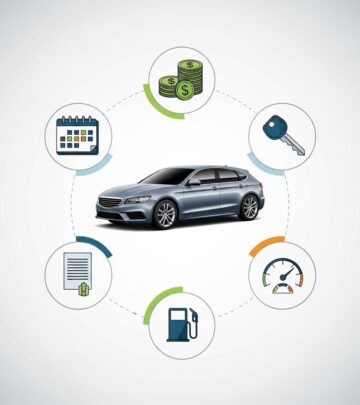
At its core, a car lease is a long-term rental agreement between you and a dealership or manufacturer finance arm. You make monthly payments covering the difference between the car’s initial value and its projected residual value at lease end, plus interest known as a money factor. Upfront, expect fees like acquisition costs, first month’s payment, and possibly a security deposit. Standard terms limit annual mileage to 10,000-15,000 miles, with overages charged at 15-30 cents per mile. At term’s end, you return the vehicle, buy it out, or lease anew—without owning it unless you opt for purchase.
This model shifts some financial burdens from lessee to lessor, but requires adherence to contract terms on maintenance, wear, and modifications. Leases often align with factory warranties, minimizing repair expenses during the term. For businesses, tax deductions on payments add appeal, treating leases as operating expenses.
Key Advantages That Make Leasing Attractive
Leasing offers distinct perks, particularly for budget-conscious drivers prioritizing low costs and new-car experiences.
- Affordable Monthly Obligations: Payments are typically 30-60% lower than loan equivalents because you’re not financing the full price. For a $30,000 vehicle, a 36-month lease might run $350 monthly versus $550 for financing.
- Minimal Initial Outlay: Down payments are optional and smaller, freeing capital for other needs. Some deals require zero down, though this raises monthly rates.
- Drive Brand-New Vehicles Frequently: Refresh your ride every 2-4 years with cutting-edge safety tech, infotainment, and efficiency—ideal for tech enthusiasts or those valuing modernity.
- Warranty Protection Throughout: New cars come covered, handling most repairs at no extra cost. Lessees avoid post-warranty maintenance pitfalls owners face.
- Business-Friendly Perks: Deduct full lease payments as expenses, plus access premium models without large capital outlays.
Significant Downsides to Consider Before Signing
While enticing, leasing isn’t without hurdles that can lead to unexpected expenses or frustration.
- Mileage Caps and Penalties: Exceeding limits (e.g., 12,000 miles/year) incurs hefty fees. High-mileage commuters risk thousands in charges.
- No Ownership Equity: Payments build no asset value; you’re essentially renting. Long-term, this exceeds buying costs.
- End-of-Term Charges: Excess wear—like dents, stains, or tires—triggers fees. Pre-return fixes often prove cheaper.
- Customization Restrictions: No major mods; alterations must be reversed, or you’ll pay. This limits personalization.
- Early Exit Costs: Terminating prematurely demands full remaining payments plus fees. Transfers via third parties offer relief if viable.
Leasing Compared to Buying: A Side-by-Side Analysis
To clarify choices, examine leasing against purchasing via financing.
| Aspect | Leasing | Buying |
|---|---|---|
| Monthly Cost | Lower (depreciation only) | Higher (full price + interest) |
| Upfront Cash | Low/none | Down payment + fees |
| Mileage | Limited w/ penalties | Unlimited |
| Ownership | None unless bought out | Full after payoff |
| Customization | Restricted | Freely allowed |
| End of Term | Return or buy | Keep, sell, or trade |
| Long-Term Cost | Higher if renewing | Lower over time |
This table, drawn from industry analyses, shows leasing suits short-term use, while buying favors longevity.
Financial Scenarios: When Leasing Wins or Loses
Consider a $35,000 SUV leased for 36 months at 12,000 miles/year: $400/month totals $14,400 plus $2,000 upfront/fees = ~$16,400. Buying at 5% APR over 60 months: $660/month totals $39,600, but you own an asset worth $18,000 residual.
Over 6 years, two leases cost ~$33,000 with no car; buying leaves equity. High drivers (20,000+ miles/year) fare worse leasing due to penalties—potentially $2,400 extra per 8,000 overage miles. Low-mileage urbanites or upgraders save via leases.
Negotiation Strategies for Optimal Lease Deals
Lease terms aren’t fixed—haggle like buying. Focus on capitalized cost (negotiable price), residual percentage, and money factor. Shop multiple dealers; leverage credit scores above 700 for best rates. Avoid zero-down if it inflates payments. Request higher mileage upfront for fees. Read fine print on disposition and excess wear fees.
Who Benefits Most from Leasing?
Ideal candidates include low-mileage drivers (under 12,000/year), luxury seekers unable to buy outright, businesses maximizing deductions, and those disliking resale hassles. Avoid if you drive extensively, customize vehicles, or plan long ownership.
Frequently Asked Questions
Can I lease a car with bad credit?
Limited options exist, but expect higher rates/fees. Subprime leases demand larger down payments.
What happens if I exceed mileage?
Pay 15-30¢/mile overage at return. Negotiate higher limits initially.
Is leasing cheaper than buying long-term?
No—repeated leases cost more without equity. Best for 3-5 year cycles.
Can I buy the car at lease end?
Yes, via residual buyout. Compare to market value first.
Are there tax benefits to leasing?
Businesses deduct payments; consumers may in certain states.
Steps to Secure a Smart Lease
- Assess driving habits/mileage needs.
- Check credit and pre-qualify.
- Research models/residuals via tools like Edmunds.
- Negotiate cap cost, factor, mileage.
- Review contract thoroughly.
- Budget for maintenance/tires.
By following these, minimize risks and maximize value.
References
- Car Leasing Guide: How to Lease a Vehicle in 2025 — Kelley Blue Book. 2025. https://www.kbb.com/car-advice/car-leasing-guide/
- Pros and cons of leasing vs. buying a car — Bankrate. 2024-10-15. https://www.bankrate.com/loans/auto-loans/leasing-vs-buying-a-car/
- Leasing vs. Buying a New Car — Consumer Reports. 2024. https://www.consumerreports.org/cars/buying-a-car/leasing-vs-buying-a-new-car-a9135602164/
- Buying vs. Leasing 101: A Guide for First-Timers — Motus. 2024. https://www.motus.com/blog/buying-vs-leasing-101-a-guide-for-first-timers/
- Pros and Cons of Leasing a Car — Chase. 2025. https://www.chase.com/personal/auto/education/leasing/pros-and-cons-of-leasing-a-car
Similar Articles








Read full bio of medha deb