Personalizing Your Leased Vehicle: What’s Allowed and What’s Not
Navigate lease modification rules and discover approved ways to customize your vehicle
Leasing a vehicle offers numerous advantages, including predictable monthly payments, access to the latest vehicle technology, and the convenience of not bearing full ownership responsibility. However, one significant limitation that lessees often encounter is restrictions on vehicle customization. Unlike vehicle ownership, where you have complete control over modifications and upgrades, leasing involves a contractual arrangement with specific guidelines about what changes you can make to the vehicle. Understanding these boundaries is essential for anyone considering personalizing their leased car.
The Fundamental Challenge: You Don’t Own the Vehicle
The primary reason leasing companies restrict modifications is straightforward: the leasing company retains ownership of the vehicle. When you lease a car, you’re essentially renting it for a predetermined period, typically ranging from 24 to 60 months. At the end of your lease term, you must return the vehicle to the dealership in essentially the same condition as when you received it. Any permanent alterations that reduce the vehicle’s value, appeal to future customers, or compromise its functionality can result in end-of-lease penalties and fees.
This ownership distinction is crucial because it means the leasing company has a financial interest in maintaining the vehicle’s resale value and condition. While you may have invested in high-quality modifications, the leasing company cannot guarantee that these customizations will appeal to the next lessee or improve the vehicle’s market value. Consequently, most standard lease agreements include explicit prohibitions against permanent modifications of any kind.
Understanding Your Lease Agreement’s Modification Clauses
Before considering any customization, your first step should be to thoroughly review your lease agreement. Lease contracts vary significantly between manufacturers and leasing companies, and the specific terms outlined in your agreement will determine what modifications are permissible. Key sections to examine include:
- Explicit prohibitions on cosmetic modifications such as paint jobs or decals
- Restrictions on performance-related upgrades including exhaust systems or engine modifications
- Guidelines regarding the installation of aftermarket wheels or suspension components
- Specifications about what condition the vehicle must be in upon return
- Procedures for requesting modification approval from the leasing company
- Details about potential penalties for unauthorized customizations
Many lease agreements contain surprising flexibility that isn’t immediately obvious from a casual reading. Some leasing companies explicitly permit minor reversible changes if they can be easily removed without causing damage to the vehicle. By carefully reviewing these documents and understanding the exact restrictions, you position yourself to make informed decisions about what personalizations are feasible within your specific lease terms.
The Reversibility Principle: Your Key to Safe Customization
The concept of reversibility is central to understanding what modifications leasing companies typically permit. A reversible modification is any customization that can be completely removed from the vehicle, restoring it to its original factory condition without any trace of the change or damage to the vehicle’s components. This principle exists because it allows you to personalize your driving experience while ensuring the vehicle can be returned in acceptable condition.
Examples of reversible modifications that many lessees can implement include:
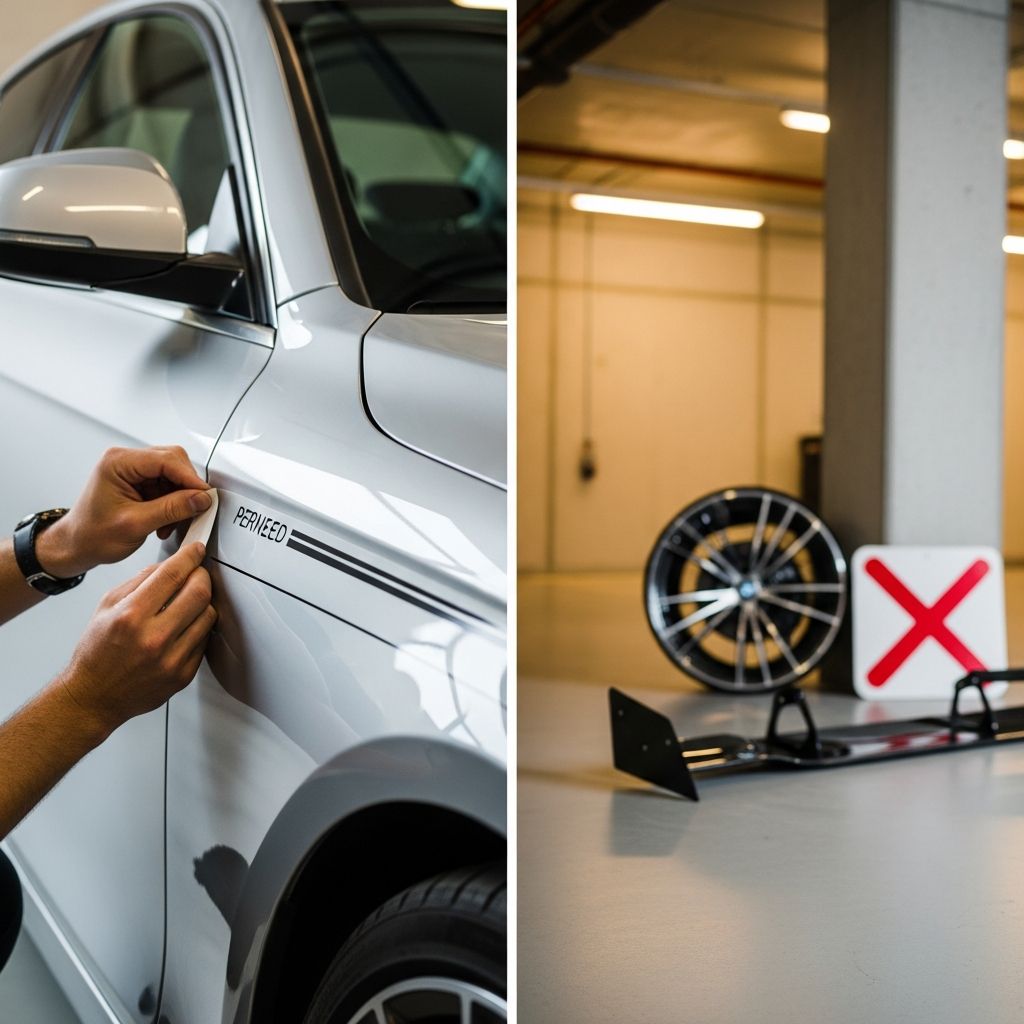
- Removable vinyl wraps or decals that don’t damage the original paint
- Custom seat covers or protective upholstery additions
- Removable floor mats or cargo liners
- Portable GPS or dashboard-mounted phone holders
- Window tinting (if permitted by your specific lease agreement)
- Removable aftermarket accessories from reputable manufacturers
The critical requirement is that when you remove these items, the vehicle must look and function exactly as it did when you took possession of it. Any adhesive residue, paint damage, or indication that a modification was previously installed could result in lease-end charges.
Permanent Modifications to Avoid
Certain categories of modifications are virtually universally prohibited by leasing companies because they permanently alter the vehicle or reduce its value. These include:
| Modification Type | Why It’s Prohibited | Potential Consequences |
|---|---|---|
| Custom paint jobs or full repaints | Permanently changes vehicle appearance; reduces resale value | Lease-end charges, potential total cost recovery |
| Aftermarket exhaust systems | Permanent performance modification; may void warranty | Warranty violations, end-of-lease fees |
| Engine tuning or remapping | Alters vehicle performance; affects reliability and warranty | Warranty voidance, lease termination fees |
| Suspension modifications or lowering kits | Alters vehicle handling and may cause damage | Safety concerns, potential damage charges |
| Permanent body modifications (body kits, spoilers) | Permanently alters vehicle structure and appearance | Substantial lease-end penalties |
| Interior trim replacements | Permanent changes to factory interior | Lease violations, end-of-term charges |
Technology and Performance Upgrades Worth Considering
While many traditional modifications are off-limits, modern removable technology upgrades offer a path to enhancing your leased vehicle. Some lease-friendly options include:
Throttle Response Controllers: Devices like throttle controllers improve your vehicle’s responsiveness and can enhance your driving experience without making permanent modifications. These devices adjust throttle sensitivity across multiple preset driving modes, allowing you to customize how the vehicle responds to accelerator input. They’re completely removable and leave no permanent trace on the vehicle.
Portable Technology: Dashboard-mounted camera systems, phone holders, and removable GPS units allow you to enhance functionality without permanently altering the vehicle’s structure or wiring.
Comfort Accessories: Removable heated seat covers, lumbar support cushions, and portable climate-control systems can significantly improve your daily driving experience while being completely reversible.
The Consultation Process: Getting Permission from Your Leasing Company
Before implementing any customization, even if you believe it falls within the reversibility principle, contact your leasing company or dealership to request written permission. This step serves multiple important purposes:
- Provides documented approval that protects you from lease-end disputes
- Allows the leasing company to recommend approved installers or vendors
- Ensures the modification doesn’t violate specific warranty provisions
- Gives you clarity about what condition the vehicle must be in at lease end
- Prevents misunderstandings about whether charges will be assessed
Many dealerships appreciate lessees who ask for permission because it demonstrates respect for the lease agreement and reduces potential end-of-lease complications. Some manufacturers, particularly luxury or specialty vehicle brands, may even have approved modification lists or preferred vendors they recommend for reversible upgrades.
Protecting Original Parts During Customization
If you obtain permission to make reversible modifications, maintaining the original factory parts is absolutely critical. This means:
Storage and Preservation: If a modification involves removing any original component, carefully store the factory part in a safe location throughout your lease term. Keep it in original packaging if possible, protected from damage, dust, or environmental degradation.
Professional Installation: When installing removable modifications, use professional installers who specialize in reversible customizations. Poor installation can damage the vehicle or make removal difficult, resulting in lease-end penalties.
Documentation: Keep receipts and documentation of all modifications and the professional installations. This creates a record that the work was done properly and helps facilitate clean removal at lease end.
Reassembly Plans: Before removing any original component, confirm that you have a clear plan for how to reinstall it when the lease ends. Some modifications might make it difficult to restore original parts if you haven’t carefully planned the process.
Window Tinting and Paint Protection Considerations
Window tinting and paint protection films represent gray areas in lease modification discussions. Some leasing companies permit window tinting if it’s professionally applied and doesn’t damage the vehicle or windows, while others explicitly prohibit any window treatments. Paint protection film presents similar complexity—it’s removable in most cases but requires professional application and removal.
Before considering these modifications, recognize that:
- Removal must leave no residue or damage to glass or paint
- Professional-grade application and removal is mandatory
- Your specific lease agreement may explicitly prohibit these treatments
- Some states or provinces have regulations about window tint darkness levels that supersede lease agreement terms
- Getting written approval is especially important for these modifications
What Happens When Lease Ends: Inspection and Charges
At the conclusion of your lease term, the leasing company will conduct a comprehensive vehicle inspection. During this inspection, inspectors will assess whether any modifications were made or whether traces of customization remain. Charges typically fall into two categories:
Excess Wear and Tear Charges: If your modifications caused damage to the vehicle—such as paint damage from removing decals or adhesive residue from floor mats—you’ll be charged for restoration.
Violation Charges: If unauthorized permanent modifications are discovered, you may face substantial charges representing the cost to restore the vehicle to factory condition and any loss in resale value.
These charges can accumulate quickly, making it essential to ensure that any customizations are genuinely reversible and leave the vehicle in perfect condition.
Special Considerations for Luxury and Performance Vehicles
If you’re leasing a luxury or exotic vehicle, the situation may be somewhat different. High-end vehicles typically come already equipped with premium technology, superior comfort features, and performance enhancements. Many luxury lease agreements are even more restrictive regarding modifications because the vehicles are already optimized for premium driving experiences.
Additionally, luxury vehicles may have proprietary systems that aftermarket modifications can compromise, affecting vehicle performance or warranty coverage. If you’re leasing a luxury vehicle, focus on enjoying the features that came standard rather than attempting customizations.
Creating Your Personalization Strategy
If you want to personalize your leased vehicle while protecting yourself from lease-end complications, follow this systematic approach:
- Read Your Agreement: Thoroughly review your specific lease contract’s modification sections
- Make a List: Identify the specific modifications you want to make
- Contact Your Leasing Company: Request written permission for your desired customizations
- Prioritize Reversibility: Focus only on modifications that are completely removable without damage
- Use Professionals: Have any installation work performed by qualified professionals
- Document Everything: Keep receipts, photos, and records of all modifications
- Plan for Removal: Before making any modification, ensure you have a clear removal plan
- Store Original Parts: Safely preserve any original components that you remove
- Regular Maintenance: Ensure your modifications don’t interfere with required maintenance schedules
Frequently Asked Questions About Leased Vehicle Customization
Can I tint my leased car’s windows?
Window tinting may be permitted under some lease agreements if it meets local regulations and is professionally installed and removed. Always obtain written approval before having tinting applied, as some agreements explicitly prohibit any window treatments.
Are seat covers allowed on leased vehicles?
Most leasing companies permit removable seat covers because they protect the original upholstery and are easily removed without damage. However, verify this in your specific agreement.
Can I install a new stereo system?
Installing aftermarket stereo systems typically requires permanent wiring modifications and removal of original components, making them prohibited under most lease agreements. Focus on removable technology solutions instead.
What if I want to install different wheels?
Aftermarket wheels are generally prohibited because they change the vehicle’s appearance and handling characteristics. You must return the vehicle with its original wheels. Storing your original wheels and returning them at lease end is essential.
Can I modify my lease car if I plan to buy it out?
If you intend to purchase the vehicle at lease end, you may have more flexibility regarding permanent modifications, as you’ll own the vehicle afterward. However, verify this with your leasing company before making any changes, as some modifications might affect the buyout price or warranty coverage.
Conclusion: Balance Personalization with Protection
Leasing a vehicle doesn’t mean you must drive a completely impersonal transportation device. By understanding your lease agreement’s specific restrictions, prioritizing reversible modifications, and obtaining written permission from your leasing company, you can personalize your vehicle while protecting yourself from end-of-lease complications. The key is recognizing that you’re customizing a vehicle you don’t own, which means your modifications must be temporary, removable, and approved. By following these guidelines, you can enjoy a more personalized driving experience while maintaining a positive relationship with your leasing company and avoiding unexpected charges when your lease concludes.
References
- What Can You Customize on a Leased Car? — John Lee Mazda. Accessed February 2026. https://www.johnleemazda.com/blogs/2127/uncategorized/what-can-you-customize-on-a-leased-car/
- The Do’s and Don’ts of Customizing a Leased Car — 3Dom Wraps. Accessed February 2026. https://www.3domwraps.com/new-car/the-dos-and-donts-of-customizing-a-leased-car/
- Can You Modify a Leased Vehicle? — Pedal Commander. Accessed February 2026. https://pedalcommander.com/blogs/garage/can-you-modify-a-leased-vehicle
- Can You Modify a Leased Car? — Pfaff Leasing. Accessed February 2026. https://www.pfaffleasing.com/leasing-information/can-you-modify-a-leased-car.html
- Can You Modify a Leased Car? Understanding Tinting and Customization Rules — TERMINAX. Accessed February 2026. https://www.terminax.com/blog/can-you-modify-a-leased-car-understanding-tinting-and-customization-rules-with-terminax/
- 5 Lease Friendly Mods That Will Transform Your Ride — Pedal Commander. Accessed February 2026. https://pedalcommander.com/blogs/garage/lease-friendly-car-mods
Similar Articles








Read full bio of medha deb