Leased Car Insurance Essentials
Discover the must-have insurance coverages, lender demands, and cost factors for protecting your leased vehicle effectively.
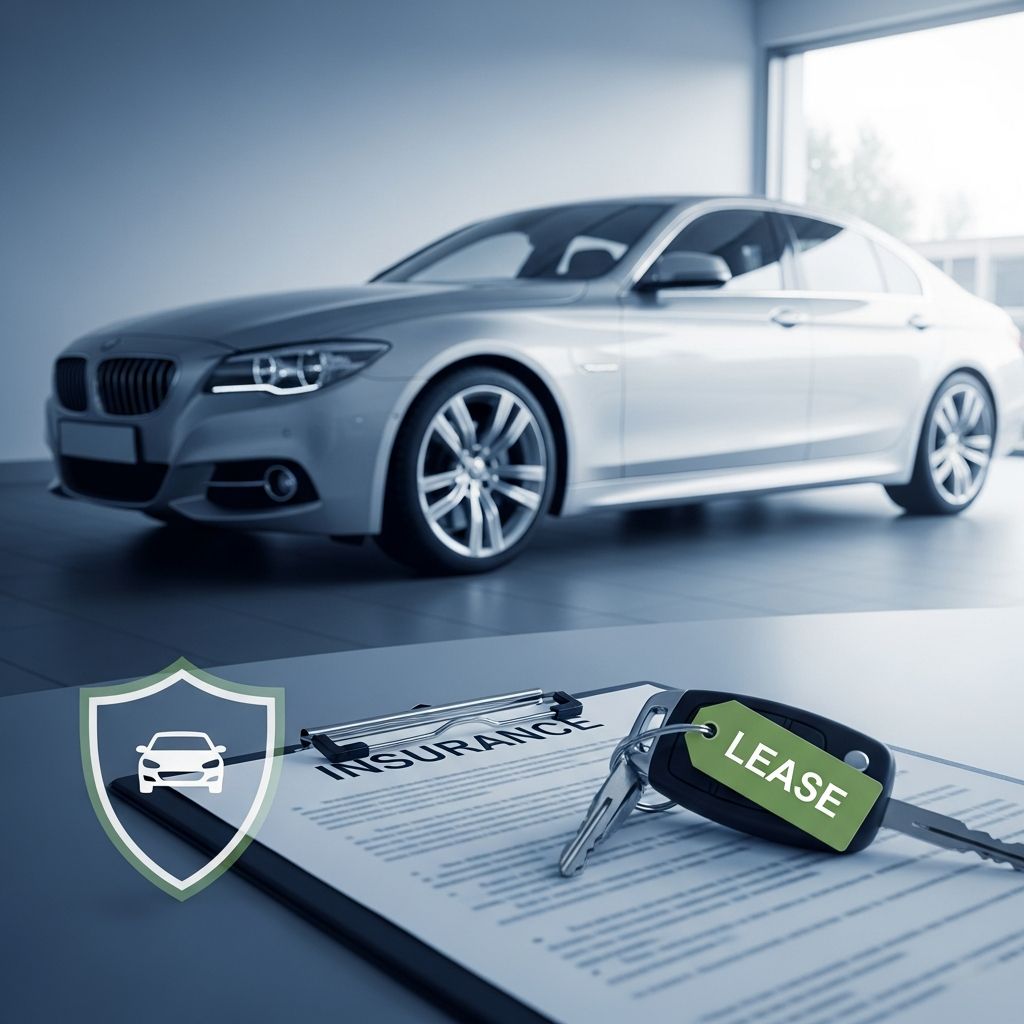
Leasing a vehicle offers the thrill of driving a new car without long-term ownership commitment, but it comes with distinct insurance obligations that go beyond standard policies for owned cars. Lenders impose stricter rules to safeguard their asset, typically requiring comprehensive protection packages.
Why Leased Vehicles Need Specialized Coverage
Unlike purchasing a car outright, leasing means the financing company retains ownership until the lease ends. This creates a financial interest they protect through mandatory insurance levels higher than state minimums. State laws set baseline liability requirements applicable to all drivers, but lessors demand additional layers to cover potential total losses or damages.
Physical damage coverage ensures the vehicle can be repaired or replaced to its full value, addressing rapid depreciation common in new models. Without these, lessees risk lease termination or personal liability for repair costs.
Core Coverage Types Mandated for Leases
Understanding each required component helps lessees select appropriate policies. Here’s a breakdown:
- Liability Insurance: Covers injuries and property damage you cause to others. States dictate minimums, but many lessors specify elevated limits like $100,000 per person/$300,000 per accident for bodily injury and $50,000 for property damage.
- Collision Coverage: Pays for repairs to your leased car after crashing into another vehicle or object, regardless of fault. Essential for lessors protecting against accident-related losses.
- Comprehensive Coverage: Handles non-collision incidents such as theft, fire, vandalism, hail, or animal strikes. Often paired with collision for ‘full coverage’ status demanded by contracts.
These form the foundation of lease insurance, with deductibles capped—commonly at $1,000 maximum—to limit out-of-pocket expenses.
The Role of Gap Insurance in Lease Agreements
Gap insurance bridges the shortfall when a totaled or stolen leased car owes more on the lease than its current market value—a frequent issue due to quick depreciation. Many leases bundle this, but lessees should verify inclusion to avoid surprise payments.
For example, a $30,000 leased car might depreciate to $25,000 within a year. If totaled, standard coverage pays $25,000, leaving you responsible for the $5,000 difference plus fees. Gap covers that gap, providing crucial financial relief.
How Lease Insurance Differs from Owned or Financed Cars
| Aspect | Leased Car | Owned Car | Financed Car |
|---|---|---|---|
| Coverage Minimum | Full (comp + collision + liability) | State liability only | Often full, but flexible deductibles |
| Deductible Limit | Typically $500-$1,000 max | Driver’s choice | No strict cap in many cases |
| Gap Insurance | Usually required or included | Optional | Commonly recommended |
| Proof to Lender | Frequent ID cards sent | Not required | Periodic verification |
Leased cars face tighter oversight, with lessors receiving direct policy notifications. Owned vehicles allow minimal coverage if no loan exists, while financed ones mirror leases but with varying flexibility.
Factors Driving Higher Premiums for Leased Cars
Expect 10-20% higher costs than for owned equivalents due to full coverage mandates and lower deductibles. Key influencers include:
- Newer, pricier models increase base rates.
- Higher liability limits add expense.
- Urban areas or young drivers amplify risks.
Shop multiple insurers, as rates vary. Bundling with home insurance or maintaining clean records can yield discounts.
Navigating State Variations and Lease Terms
Requirements aren’t uniform; check your lease contract and state DMV. For instance, Toyota Financial caps deductibles at $1,000 with full physical damage for leases, while Lexus accepts state liability minimums alongside physical damage.
Most states require bodily injury and property damage liability universally, but lessors layer on physical damage. Always confirm with your local registration office for garaging-specific rules.
Steps to Secure Proper Lease Insurance
- Review lease agreement for exact coverages, limits, and deductibles.
- Contact insurers experienced in leases for quotes.
- Ensure the lessor is listed as ‘loss payee’ and ‘additional insured’ on declarations.
- Provide updated ID cards promptly upon policy changes.
- Monitor for mileage or wear clauses affecting end-of-lease charges.
Proactive management prevents lapses that could void your lease.
Common Pitfalls and How to Avoid Them
Lessees often overlook:
- Inadequate Limits: State minimums won’t satisfy lessors—upgrade proactively.
- Missing Gap: Confirm if bundled; add separately if not.
- Proof Delays: Forward documents immediately to avoid penalties.
- Rate Shopping Late: Compare before signing the lease.
Cost-Saving Strategies Without Sacrificing Protection
Maintain a spotless driving record for lower premiums. Opt for higher deductibles where allowed, install anti-theft devices for comprehensive discounts, and leverage good credit scores. Multi-policy bundles from providers like Progressive or Liberty Mutual often reduce overall costs.
Reevaluate annually; as the lease progresses and the car’s value drops, coverage needs may adjust slightly within contract bounds.
End-of-Lease Insurance Considerations
As termination nears, verify if wear-and-tear coverage applies. Some policies extend liability post-return, but drop physical damage once the lessor reclaims the vehicle. Plan for purchase options, which may retain full coverage needs.
Frequently Asked Questions
Is full coverage always required for a leased car?
Yes, nearly all lessors mandate comprehensive and collision alongside liability, exceeding state minimums.
Does the lease include insurance?
No, lessees must procure their own policy before driving off the lot.
Can I choose my deductible?
Limited to $1,000 max typically, varying by lessor.
What if my car is totaled?
Gap insurance covers the difference between payout and lease balance.
How do I prove coverage to the lessor?
Send insurance ID cards listing them as loss payee.
Final Thoughts on Protecting Your Lease
Securing the right insurance blend ensures compliance, financial security, and worry-free driving. Consult your lease documents and insurer to tailor a policy that meets all stipulations while optimizing value. With proper setup, leasing remains an affordable path to premium wheels.
References
- What are the insurance requirements for a financed or leased vehicle? — Toyota Financial Services. 2026. https://www.toyotafinancial.com/us/en/planning_tools/faq/insurance_requirements/what_are_the_insurance_requirements_for_a_financed_or_leased_vehicle.html
- Insuring a leased car — Insurance Information Institute. 2026. https://www.iii.org/article/insuring-leased-car
- Insurance for Your Leased Car: Coverage and Requirements — The Hartford. 2026. https://www.thehartford.com/aarp/car-insurance/car-leasing-with-insurance
- What kind of insurance do you need for a leased car? — American Family Insurance. 2026. https://www.amfam.com/resources/articles/understanding-insurance/insurance-for-a-leased-car
- What are the insurance requirements for a financed or leased vehicle? — Lexus Financial Services. 2026. https://www.lexusfinancial.com/us/en/planning_tools/faq/insurance_requirements/what_are_the_insurance_requirements_for_a_financed-or-leased_vehicle_.html
- Insurance on a Leased Car — Progressive. 2026. https://www.progressive.com/answers/car-lease-insurance/
- Car Insurance for Leased Vehicles — Liberty Mutual. 2026. https://www.libertymutual.com/insurance-resources/auto/car-insurance-for-leased-vehicles
Similar Articles








Read full bio of Sneha Tete