Leased Car Insurance Costs Explained
Discover why insuring a leased vehicle often costs more, key coverage needs, and strategies to minimize expenses effectively.
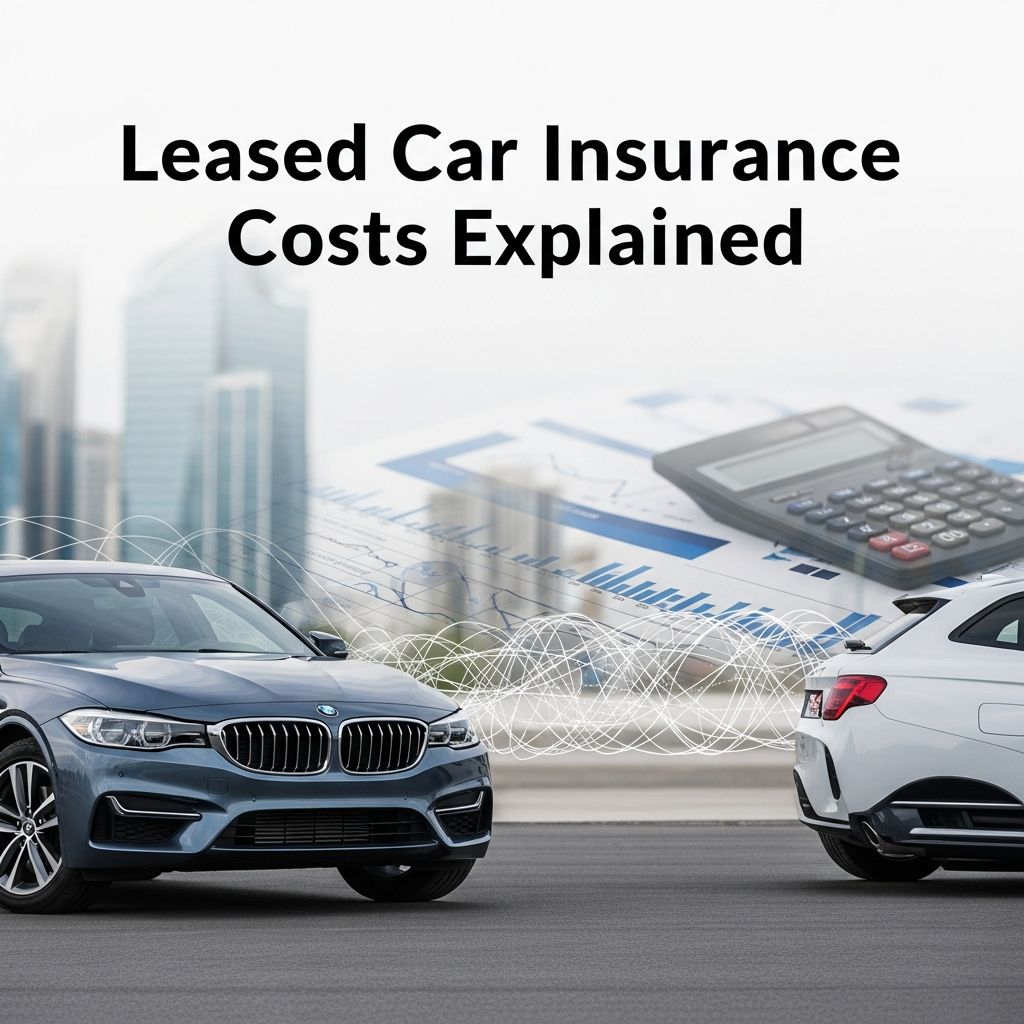
Insuring a leased vehicle generally costs more than covering a purchased car because leasing companies impose stringent coverage mandates to safeguard their assets. These requirements often include comprehensive and collision protection alongside elevated liability limits, driving up annual premiums to between $1,500 and $1,700 on average across the U.S.
Why Leased Vehicles Require Enhanced Coverage
Leasing differs fundamentally from buying since the lessor retains ownership throughout the term. This ownership stake prompts demands for robust policies that mirror the vehicle’s full replacement value. Unlike financed purchases where equity accumulates, lessees hold no ownership stake, heightening the lessor’s risk exposure.
Standard lease contracts specify minimums such as $100,000 bodily injury per person and $300,000 per accident for liability, plus at least $50,000 in property damage coverage. Collision and comprehensive components become non-negotiable, often with deductibles capped low to minimize out-of-pocket expenses for the company.
Full Coverage Mandates and Their Impact
Full coverage encompasses liability, collision, and comprehensive insurance, essential for leased cars as lessors prioritize asset protection. Collision handles accident-related repairs to your vehicle, while comprehensive addresses non-collision events like theft or weather damage. Without these, lessees risk lease violations and potential repossession.
This setup contrasts with owned cars, where drivers might opt for liability-only to cut costs. For leases, skipping these elements breaches contract terms, possibly voiding agreements or triggering penalties.
Comparing Insurance Expenses: Lease vs. Buy
Premiums for leased cars exceed those for owned vehicles primarily due to obligatory full coverage rather than the lease status itself. Data indicates leased car full coverage averages $1,164 to $1,700 yearly, surpassing basic policies by 50% or more.
Leasing can offset this through lower monthly payments compared to loans, creating a balanced trade-off. However, total costs hinge on vehicle value, driver profile, and location.
| Aspect | Leased Car | Purchased Car |
|---|---|---|
| Coverage Required | Full (liability + collision + comprehensive) | Often liability only possible |
| Liability Minimums | $100K/$300K typical | State minimums |
| Avg. Annual Cost | $1,500-$1,700 | $800-$1,200 (full) |
| Deductible Limits | Often $500-$1,000 max | Driver choice |
Average Premiums from Top Providers
Among major insurers, Travelers leads with the lowest full coverage rates for leased vehicles at $97 monthly ($1,164 annually), followed closely by Geico at $98 monthly. State Farm offers competitive pricing at $121 monthly, while USAA provides even lower rates for military members.
| Provider | Monthly Rate | Annual Rate |
|---|---|---|
| Travelers | $97 | $1,164 |
| Geico | $98 | $1,179 |
| State Farm | $121 | $1,448 |
| Progressive | $125 | $1,503 |
| Amica | $115 | $1,381 |
| Nationwide | $127 | $1,526 |
These figures represent averages; actual quotes vary by profile.
State-by-State Cost Variations
Insurance expenses fluctuate widely by state due to local regulations, accident rates, and theft statistics. South Dakota boasts the lowest averages at $52 monthly from Progressive, with Vermont close at $50 from Co-operative Insurance. High-cost areas like Louisiana reach $158 monthly.
- Lowest States: South Dakota ($52/mo), Vermont ($50/mo), Wisconsin ($55/mo from Geico).
- Highest States: Louisiana ($158/mo), D.C. ($108/mo), New Jersey ($121/mo).
- Regional Trends: Midwest states often see lower rates; coastal areas face higher premiums due to risks.
| State | Cheapest Provider | Monthly Rate |
|---|---|---|
| South Dakota | Progressive | $52 |
| Vermont | Co-operative Ins. | $50 |
| Hawaii | Geico | $69 |
| Idaho | State Farm | $61 |
| Louisiana | Geico | $158 |
Shop multiple quotes as the best provider differs locally.
The Role of Gap Insurance in Leases
Many leases necessitate gap insurance, bridging the gap between a car’s depreciated market value and the outstanding lease balance if totaled. New vehicles depreciate rapidly—up to 20% in the first year—potentially leaving lessees liable for thousands otherwise.
While some policies bundle gap coverage, others require separate add-ons costing $20-$40 annually. Confirm lease terms to avoid surprises.
Factors Influencing Your Leased Car Premiums
Beyond lease mandates, premiums reflect:
- Vehicle Type: Luxury or high-theft models inflate rates.
- Driver History: Clean records yield discounts; violations spike costs.
- Location: Urban areas with high risks cost more.
- Credit Score: Strong scores lower premiums in most states.
- Deductibles: Lease-capped options limit savings flexibility.
Personalize quotes to optimize.
Strategies to Reduce Leased Car Insurance Costs
Achieve savings without compromising requirements:
- Compare Quotes: Use aggregators for provider shopping; Travelers and Geico often compete favorably.
- Bundling Discounts: Pair auto with home/renters for 10-25% off.
- Safe Driver Perks: Telematics programs reward cautious driving.
- Higher Deductibles: If allowed, opt for the maximum permitted.
- Low-Mileage Plans: Leases cap miles; usage-based insurance cuts rates.
- Shop Annually: Rates change; renewals aren’t automatic best deals.
These tactics can trim 20-30% off premiums.
Understanding Lease Contract Insurance Clauses
Review your lease for exact stipulations before purchasing. Lessors may name themselves as additional insured parties, requiring proof via ID cards. Non-compliance risks lease default.
Some companies provide insurance, but it’s costlier and less flexible than personal policies. Stick to third-party coverage meeting specs.
Common Mistakes to Avoid with Leased Car Policies
- Ignoring gap needs, leading to massive shortfalls post-loss.
- Underestimating liability minimums, exposing personal assets.
- Failing to notify insurer of lease status upfront.
- Not updating coverage at lease end or buyout.
Frequently Asked Questions
Can I use my current policy for a leased car?
Possibly, if it meets lease minimums. Contact your insurer to adjust; otherwise, shop for compliant options.
Does leasing always mean higher insurance?
Not due to leasing per se, but yes, from required full coverage and limits.
Who pays for repairs on a leased car?
Your collision/comprehensive covers it, subject to deductibles; lessor handles excess if applicable.
Is gap insurance always required?
Often yes, but check your contract; it’s crucial given rapid depreciation.
How much more does leased insurance cost?
Typically 30-50% above basic coverage, averaging $1,500+ yearly.
Final Thoughts on Balancing Lease and Insurance Costs
While premiums run higher, strategic shopping and discounts make leasing viable. Prioritize compliance to avoid pitfalls, and compare providers regularly for optimal rates. Full coverage protects both you and the lessor effectively.
References
- Cheap Car Insurance for Leased Cars — LendingTree. 2023. https://www.lendingtree.com/car-insurance/lease-car-insurance/
- Cheapest Car Insurance for Leased Cars — MoneyGeek. 2023. https://www.moneygeek.com/insurance/auto/cheapest-car-insurance-for-leased-cars/
- Car Insurance for Leased Vehicles — Liberty Mutual. 2023. https://www.libertymutual.com/insurance-resources/auto/car-insurance-for-leased-vehicles
- Is Insurance More Expensive for Leased Cars — Car and Driver. 2023. https://www.caranddriver.com/car-insurance/a31268675/is-insurance-more-expensive-for-leased-cars/
- Leasing vs. Buying: How Insurance Costs Compare — Strasser Insurance Agencies. 2023. https://www.strasserinsuranceagencies.com/blog/leasing-vs-buying-how-insurance-costs-compare/
Similar Articles








Read full bio of medha deb