Lease: Definition, Types, and How They Work
Complete guide to leases: Understanding rental agreements and lease accounting.
What Is a Lease?
A lease is a contractual arrangement between two parties where one party, known as the lessor or landlord, grants the other party, called the lessee or tenant, the right to use a specific asset for a predetermined period in exchange for regular payments. The asset can be tangible property such as real estate, vehicles, equipment, or machinery. Leasing has become an increasingly popular alternative to outright ownership because it offers flexibility, reduced capital expenditure, and various financial advantages for both individuals and businesses.
In essence, a lease transfers the right to use an asset without transferring ownership. The lessor retains legal title to the property while the lessee obtains the right to occupy and use it according to the terms specified in the lease agreement. This arrangement is governed by contract law and varies significantly depending on the type of lease and the jurisdiction in which it operates.
Key Components of a Lease Agreement
Every lease agreement contains several essential elements that define the relationship between the lessor and lessee:
- Identification of Parties: Clear identification of the lessor (property owner) and lessee (tenant) involved in the agreement
- Description of Property: Detailed description of the asset being leased, including location, specifications, and condition
- Lease Term: The duration for which the lease is valid, typically ranging from months to years
- Rent Payment: The amount to be paid periodically, payment schedule, and accepted payment methods
- Maintenance and Repairs: Clarification of who is responsible for maintenance, repairs, and property upkeep
- Insurance and Taxes: Specification of liability insurance requirements and property tax responsibilities
- Renewal and Termination: Terms for lease renewal, extension, or termination procedures
- Default Provisions: Consequences for non-payment or violation of lease terms
Types of Leases
Leases can be categorized in several ways, each serving different purposes and offering distinct advantages to lessees and lessors.
Operating Lease
An operating lease, also called a true lease, is an arrangement where the lessor retains substantially all risks and benefits of ownership. The lessee makes periodic payments to use the asset but does not build any ownership equity. The lessor typically handles maintenance, insurance, and property taxes. Operating leases are common for vehicle leasing, office equipment, and commercial real estate. These leases are generally shorter in duration compared to the asset’s useful life.
Operating leases do not appear as assets or liabilities on the lessee’s balance sheet, though accounting standards have recently evolved to require lease liability recognition. This type of lease offers flexibility because the lessee can return the asset at the end of the lease term without worrying about residual value concerns.
Capital Lease (Finance Lease)
A capital lease, also known as a finance lease, is a long-term lease where the lessee assumes substantially all risks and benefits of ownership. By the end of the lease term, the lessee often has the option to purchase the asset, usually at a bargain price. The lessee typically handles maintenance, insurance, and taxes. Capital leases must be capitalized on the lessee’s balance sheet and are treated similarly to asset purchases for accounting purposes.
These leases are often used for real estate, vehicles with lengthy terms, and expensive equipment. The lease term typically covers a significant portion of the asset’s useful life, and the lease includes provisions such as bargain purchase options or transfer of ownership at lease end.
Leveraged Lease
A leveraged lease involves a third party financier in addition to the lessor and lessee. The lessor borrows a significant portion of the lease cost from a lender and uses the lessee’s payments to service this debt. This structure is common in equipment financing and allows lessors to expand their leasing business while maintaining appropriate risk allocation among parties.
Sale-Leaseback
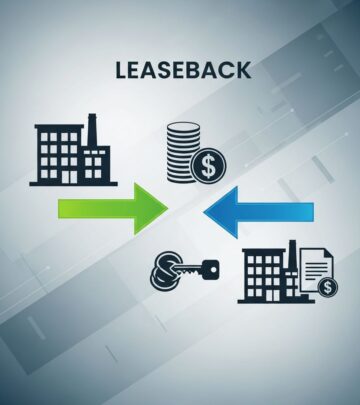
In a sale-leaseback arrangement, a business sells an asset it owns to another party and then leases it back from the new owner. This transaction generates immediate cash for the seller while allowing continued use of the asset. Sale-leasebacks are frequently used by companies seeking to unlock capital tied up in real estate or equipment without losing operational control.
Lease vs. Rent: Understanding the Difference
While the terms “lease” and “rent” are often used interchangeably, they have distinct meanings in legal and financial contexts. A lease is the contract itself—the legal agreement that outlines the terms and conditions of property use. Rent, on the other hand, refers to the specific payments made under the lease agreement. When someone “rents” an apartment, they are making rent payments as specified in the lease agreement.
Additionally, leases typically involve longer-term commitments with more formalized documentation, while rental arrangements may be more casual or month-to-month. Commercial leases are generally more complex with detailed terms, while residential rentals often follow standardized formats.
Lease Accounting Standards
The accounting treatment of leases significantly impacts financial statements. Recent changes in accounting standards have transformed how leases are reported.
ASC 842 (GAAP) and IFRS 16 Standards
In 2016, the International Accounting Standards Board (IASB) and the Financial Accounting Standards Board (FASB) issued new lease accounting standards—IFRS 16 and ASC 842 respectively. These standards, effective from 2019 onwards for most organizations, require companies to recognize lease liabilities and right-of-use assets on the balance sheet for most leases, including operating leases.
Previously, operating leases were kept off-balance-sheet, making it difficult to assess a company’s true financial obligations. The new standards provide greater transparency and comparability of financial statements across companies and industries. These changes primarily affect how leases are presented in financial statements rather than the economic substance of the transactions.
Benefits and Drawbacks of Leasing
Advantages of Leasing
- Lower Initial Costs: Leasing typically requires lower upfront capital investment compared to purchasing, preserving cash flow
- Flexibility: Lessees can upgrade to newer equipment or vehicles without holding depreciating assets
- Off-Balance-Sheet Treatment (Historical): Operating leases historically did not appear on balance sheets, improving financial ratios
- Predictable Expenses: Fixed lease payments facilitate budgeting and financial planning
- Maintenance Included: In many operating leases, maintenance and repairs are the lessor’s responsibility
- Tax Benefits: Lease payments may be deductible as business expenses in certain circumstances
- Technology Updates: Easy access to the latest technology without obsolescence risk
Disadvantages of Leasing
- No Ownership Equity: Lessees build no ownership stake in the asset, with payments ending with no residual value
- Long-term Costs: Cumulative lease payments over time often exceed the purchase price of an asset
- Mileage and Usage Restrictions: Vehicle and equipment leases often contain usage limits with penalties for excess use
- Wear and Tear Charges: Lessees may face charges for damage beyond normal wear and tear
- Early Termination Penalties: Breaking a lease before completion typically incurs substantial penalties
- Customization Limitations: Lessees cannot significantly modify leased assets
- Interest Costs: Lease payments include financing costs that would not apply to owned assets
Common Leasing Applications
Vehicle Leasing
Vehicle leasing has become increasingly popular as an alternative to car ownership. Lessees enjoy driving new vehicles with the latest safety features and technology while avoiding depreciation concerns. Lease terms typically range from two to four years, with mileage limits and maintenance usually included in the lease payments.
Commercial Real Estate Leasing
Businesses lease office space, retail locations, and warehouses to avoid large capital expenditures on property ownership. Commercial leases involve longer terms and complex negotiations regarding space configuration, renewal options, and responsibility for building maintenance.
Equipment Leasing
Companies lease manufacturing equipment, computer systems, and specialized machinery to maintain flexibility and manage technology obsolescence. Equipment leasing allows businesses to conserve capital and upgrade technology as innovations emerge.
Residential Real Estate Leasing
Residential leasing involves agreements where tenants rent apartments, houses, or condominiums. These leases establish tenant rights, landlord obligations, and rental payment terms, typically with one or two-year terms.
Lease Modifications and Break Clauses
Many leases include provisions allowing modifications or early termination under specific circumstances. Break clauses permit either party to end the lease before the scheduled expiration date, typically with advance notice and potentially with compensation. Lease modifications might include rent adjustments, extension options, or changes to the terms governing the use of the property. These provisions provide flexibility but must be clearly documented in the original agreement.
Legal and Regulatory Considerations
Lease agreements are governed by contract law, and specific regulations vary by jurisdiction and lease type. Residential leases are often subject to tenant protection laws that establish minimum standards for habitability, maintenance, and landlord conduct. Commercial leases are generally more flexible, allowing parties greater freedom to negotiate terms. Both lessors and lessees should understand their legal rights and obligations before entering into lease agreements.
Frequently Asked Questions (FAQs)
Q: What is the primary difference between an operating lease and a capital lease?
A: The primary difference lies in ownership and financial treatment. An operating lease allows the lessee to use an asset without assuming ownership risks, with the lessor retaining most benefits. A capital lease is essentially a disguised purchase where the lessee assumes ownership risks and benefits, capitalizes the lease on the balance sheet, and may have a purchase option at lease end.
Q: Can a lease be terminated early?
A: Early termination depends on the lease agreement’s terms. Many leases include break clauses allowing early termination with notice and potentially with penalty payments. However, some leases have strict terms prohibiting early termination without significant financial consequences. It is important to review the lease document carefully.
Q: Who is responsible for maintenance in a lease?
A: This depends on the lease type. In operating leases, the lessor typically handles maintenance and repairs. In capital leases, the lessee usually assumes maintenance responsibilities. The specific allocation of maintenance duties should be clearly stated in the lease agreement.
Q: How does leasing affect financial statements?
A: Under newer accounting standards (ASC 842 and IFRS 16), most leases now appear on the balance sheet as right-of-use assets and lease liabilities. This increases transparency but affects financial ratios and reported profitability compared to historical off-balance-sheet treatment.
Q: What happens at the end of a lease?
A: At lease end, the lessee typically returns the asset to the lessor. Some leases include purchase options allowing the lessee to buy the asset, often at a predetermined price. Others may allow lease renewal or provide an option to lease a different asset.
Q: Are lease payments tax-deductible?
A: For business leases, lease payments are generally deductible as ordinary business expenses, reducing taxable income. Personal lease payments, such as vehicle leases for personal use, are not tax-deductible. Consult a tax professional for specific circumstances.
References
- Accounting Standards Codification (ASC) 842: Leases — Financial Accounting Standards Board (FASB). 2016. https://www.fasb.org/
- IFRS 16: Leases — International Accounting Standards Board (IASB). 2016. https://www.ifrs.org/issued-standards/list-of-standards/ifrs-16-leases/
- Guide to Understanding Commercial Leases — U.S. Small Business Administration (SBA). 2024. https://www.sba.gov/
- Property and Equipment: Leases — U.S. Securities and Exchange Commission (SEC). 2024. https://www.sec.gov/
- Vehicle Leasing vs. Purchase: A Consumer Guide — Federal Trade Commission (FTC). 2024. https://www.ftc.gov/
Similar Articles








Read full bio of medha deb