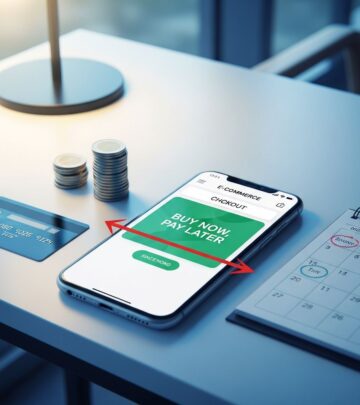
What Is a Layaway Plan? History and How It Works
Understanding layaway plans: A debt-free payment alternative for major purchases.
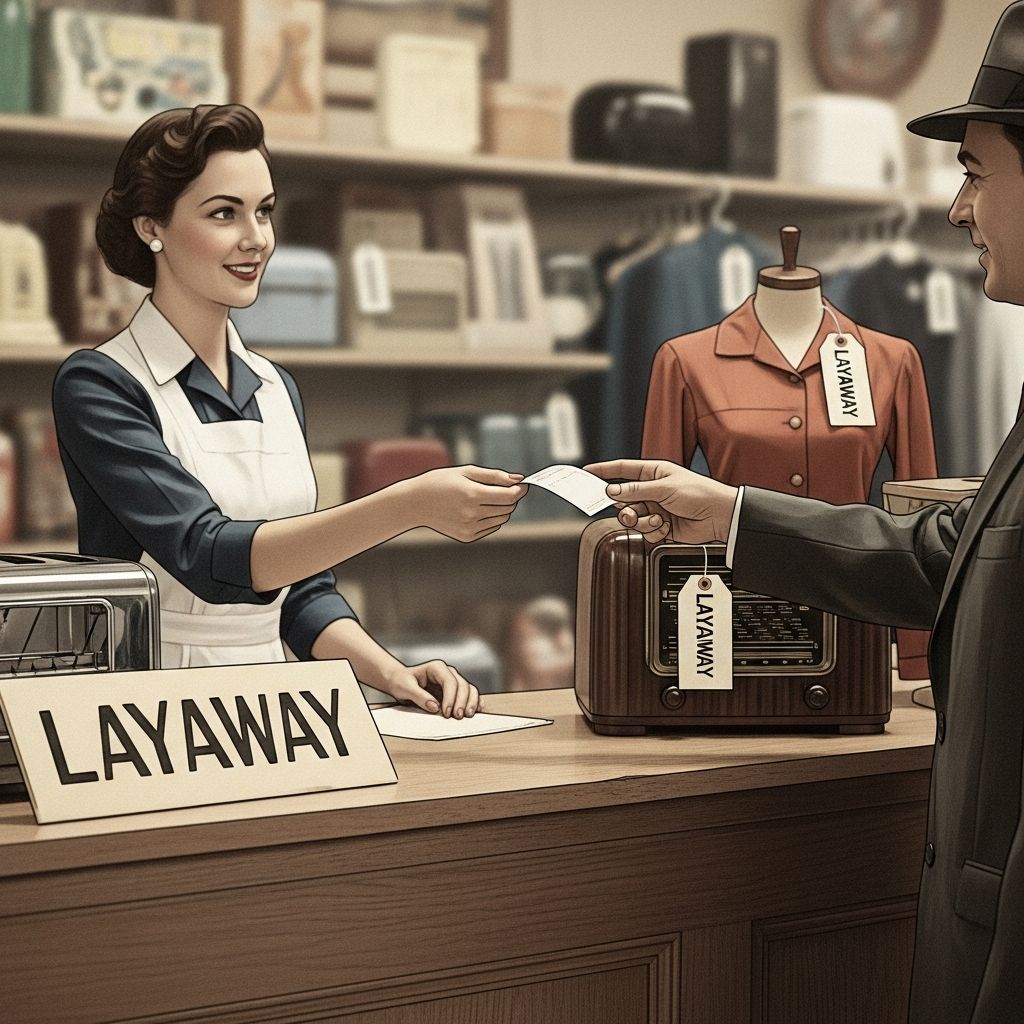
What Is a Layaway Plan?
A layaway plan is a payment arrangement between a consumer and a retailer that allows you to purchase an item by making installment payments over time rather than paying the full price upfront. The retailer holds the merchandise while you pay for it gradually. Once you have paid the complete purchase price, the retailer releases the item to you. This payment method enables consumers to acquire goods they might not otherwise afford to buy immediately, all without incurring debt or interest charges.
Layaway differs fundamentally from credit-based purchasing methods. When you use layaway, you are using your own funds divided into manageable payments rather than borrowing money from a lender. The retailer maintains possession of the item as collateral until the full amount is paid, creating a low-risk transaction for both parties involved.
How Layaway Plans Work
Understanding the mechanics of layaway helps consumers determine if this payment method suits their financial situation. The process typically follows these straightforward steps:
Step 1: Choose an Eligible Item and Make a Deposit
You select an item available for layaway at a participating retailer and make an initial down payment. This deposit amount varies by retailer but typically represents a percentage of the item’s total cost. Many retailers also charge a service fee as part of the initial deposit.
Step 2: Make Regular Installment Payments
After your down payment, you commit to making ongoing payments according to a predetermined schedule. The retailer may require you to agree to specific payment terms, such as weekly or monthly installments over a set period. These payments continue until you have paid the full purchase price.
Step 3: Receive Your Item Upon Full Payment
Once you have completed all payments and paid the item in full, the retailer releases the merchandise to you. At this point, you own the item outright with no remaining obligations.
The History of Layaway Plans
Layaway plans emerged during the 1930s as a practical solution for consumers during economically challenging times. The concept gained significant traction throughout the mid-twentieth century, providing everyday people with an accessible way to purchase durable goods and luxury items without relying on credit.
However, the popularity of layaway programs began declining substantially during the 1980s. This decline coincided directly with the widespread proliferation of credit cards, which offered consumers greater flexibility and immediate access to merchandise. Credit cards essentially eliminated the primary appeal of layaway by allowing instant purchases with deferred payment.
In recent years, layaway has become increasingly rare as retailers have continued to move away from these programs. Some major retailers have actively replaced their layaway services with Buy Now, Pay Later (BNPL) options, reflecting evolving consumer preferences and technological advances in the fintech sector.
Advantages of Layaway Plans
Despite their declining popularity, layaway plans offer several meaningful benefits for consumers seeking alternative payment methods:
Pay for Items Over Time Without Debt
Layaway enables you to spread the cost of furniture, jewelry, electronics, or other significant purchases across weeks or months without accumulating debt. This appeals to consumers who want to avoid the psychological burden and financial complications of borrowing money.
No Interest Charges
Unlike credit cards or personal loans, layaway plans typically do not include interest charges. You pay only the item’s cost plus associated fees, avoiding the compounding costs that interest can create over time. This represents substantial savings compared to credit-based financing options.
Accessible to Those with Poor or No Credit History
Many layaway programs do not require credit checks, making them available to consumers with bad credit, no credit history, or those classified as credit invisible. This accessibility distinguishes layaway from traditional loans and credit card applications, which depend heavily on creditworthiness assessment.
Low Risk for Both Parties
Layaway arrangements carry minimal risk because the retailer retains possession of the merchandise until full payment is received. This security benefit protects retailers from default risk while providing consumers with assurance that their money is being held by an established business.
No Credit Score Impact
Using a layaway plan will not affect your credit score in any way. Since no credit is extended and no hard credit inquiry occurs, the transaction remains invisible to credit reporting agencies, making it a neutral option for those concerned about credit impacts.
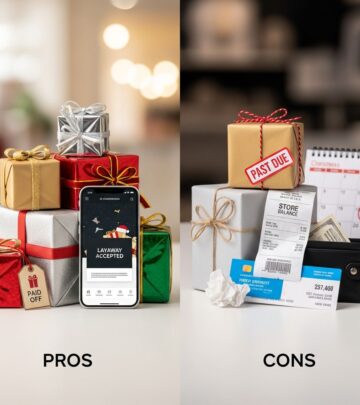
Disadvantages of Layaway Plans
While layaway offers clear advantages, potential drawbacks deserve careful consideration before committing to this payment method:
Potential Fees
Depending on the retailer, you may incur service fees, restocking fees, and cancellation fees. Many retailers impose nonrefundable service fees as part of their layaway terms, and some charge substantial cancellation fees if you decide not to complete the purchase. These fees can significantly increase the effective cost of your purchase.
Limited Flexibility and Strict Payment Schedules
Retailers typically require you to agree to a specific payment schedule with limited flexibility. Missing payments or being unable to maintain the agreed-upon schedule may result in forfeiture of your deposit or accumulated payments, depending on the retailer’s policies.
Delayed Gratification and Immediate Availability Concerns
You must wait weeks or months before receiving your purchase, which presents challenges if you need the item immediately. This delayed gratification differs significantly from the instant satisfaction consumers have grown accustomed to with credit cards and online shopping.
Limited Retailer Availability
Layaway is only available at select retailers, limiting your options. Many major retailers have discontinued their layaway programs entirely, making this payment method increasingly difficult to find except during specific seasons like the holidays.
Layaway vs. Credit Cards: A Comparison
| Feature | Layaway | Credit Card |
|---|---|---|
| Interest Charges | None (typically) | Yes (average 17% APR) |
| Credit Check Required | No | Yes |
| Immediate Item Access | No | Yes |
| Credit Score Impact | None | Yes (positive or negative) |
| Debt Creation | No | Yes |
| Retailer Holds Item | Yes | No |
Layaway vs. Buy Now, Pay Later (BNPL)
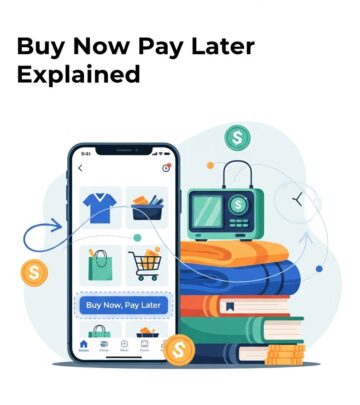
Buy Now, Pay Later services represent a modern alternative that has largely displaced traditional layaway programs. While both payment methods allow consumers to spread purchases across multiple payments, they operate quite differently:
Layaway: The retailer holds the merchandise until you complete all payments. You use your own money divided into installments. No credit check is required, and typically no interest applies.
BNPL: You receive the item immediately while owing payment to the lender (typically a third-party fintech company, not the retailer). BNPL is a short-term loan that enables access to credit and may involve borrowing from a lender rather than using your own funds. While often interest-free for on-time payments, BNPL represents a credit product that may be reported to credit bureaus.
The fundamental difference lies in who owns the item during the payment period. With layaway, the retailer maintains ownership and possession as security. With BNPL, you own the item immediately but owe a lender payment.
When Is Layaway Still Available?
Although layaway availability has diminished substantially, certain situations still present opportunities to use this payment method. Layaway programs remain most commonly available during the holiday shopping season, when retailers temporarily reinstate layaway services to accommodate holiday gift purchases. Some specialty retailers, particularly those selling jewelry, furniture, or higher-end merchandise, may maintain year-round layaway options.
Consumers interested in using layaway should contact their preferred retailers directly to inquire about current layaway availability, as programs and policies vary significantly by store and location.
Typical Layaway Terms and Duration
Layaway plan terms vary considerably by retailer but typically range from 30 days to several months. Many retailers impose service fees of $5 to $10 depending on the layaway duration, with six-week plans typically charged at the lower end of this range. The specific terms, payment schedule, cancellation policies, and fee structures should be confirmed with each retailer before committing to a layaway arrangement.
Frequently Asked Questions
Q: Does layaway affect my credit score?
A: No. Layaway plans do not impact your credit score because no credit is extended and no hard credit inquiry is conducted. The transaction remains completely separate from your credit history.
Q: How long do layaway plans typically last?
A: Layaway plans vary by retailer but generally last between 30 days and several months, depending on the store’s specific policies and the item being purchased.
Q: What happens if I can’t complete my layaway payments?
A: If you cannot complete payments, you may forfeit your deposit and any payments made, depending on the retailer’s cancellation policy. Some retailers charge additional nonrefundable cancellation fees.
Q: Is layaway better than using a credit card?
A: Layaway offers advantages like no interest charges and accessibility regardless of credit history, but credit cards provide immediate item access. The best choice depends on your financial situation and purchasing timeline.
Q: Where can I find retailers offering layaway?
A: Layaway availability is limited and varies by retailer. Check with major department stores, specialty retailers, and furniture stores directly, particularly during the holiday season when programs are more commonly available.
Q: What is the difference between layaway and BNPL?
A: With layaway, the retailer holds the item until you pay in full using your own funds. With BNPL, you receive the item immediately but owe a third-party lender, creating a credit obligation that may be reported to credit bureaus.
The Future of Layaway
The trajectory of layaway programs suggests continued decline as BNPL options proliferate and credit card usage remains dominant. Retailers have increasingly replaced traditional layaway with BNPL services, capitalizing on consumer demand for immediate access to merchandise combined with flexible payment options. However, layaway’s advantage for credit-invisible consumers and those seeking interest-free, debt-free purchasing may ensure its persistence in some form, particularly for specific merchandise categories and during seasonal peak shopping periods.
Conclusion
Layaway plans represent a debt-free payment method that enables consumers to purchase items gradually without interest charges or credit requirements. Despite their historical importance and continued benefits for certain consumers, layaway programs have become increasingly rare as credit cards and Buy Now, Pay Later services have captured market share. Understanding how layaway works, along with its advantages and disadvantages, helps consumers make informed decisions about whether this payment method aligns with their financial goals and purchasing needs. For those with limited credit history or a preference for interest-free financing, layaway remains a viable option where available, particularly during holiday shopping seasons.
References
- The Appeal and Proliferation of Buy Now, Pay Later: Consumer and Merchant Perspectives — Federal Reserve Bank of Kansas City. 2021. https://www.kansascityfed.org/research/payments-system-research-briefings/the-appeal-and-proliferation-of-buy-now-pay-later-consumer-and-merchant-perspectives/
- What Is Layaway and How Does It Work? — American Express. 2024-05-08. https://www.americanexpress.com/en-us/credit-cards/credit-intel/what-is-layaway/
- Expanding Access for the Credit Invisible with Just Four Easy Payments? The Unregulated Rise of Buy Now, Pay Later — Loyola University Chicago Law Review. 2021. https://lawecommons.luc.edu/context/lclr/article/2112/viewcontent/2.art.MandellLawrence.Credit.275.pdf
- Buy Now, Pay Dearly Later?: Minimizing Consumer Harm Under Buy Now, Pay Later Arrangements — University of New Mexico Law Review. https://digitalrepository.unm.edu/cgi/viewcontent.cgi?article=2490&context=nmlr
- Growing Concerns with Increased Use of Buy Now Pay Later — Boston University Questrom School of Business. 2025. https://www.bu.edu/rbfl/files/2025/02/Wenzel.pdf
Similar Articles








Read full bio of Sneha Tete