Law Of Supply And Demand: Essential Guide To Market Equilibrium
Understanding how market prices are determined by supply and demand equilibrium.
Law of Supply and Demand: Understanding Market Economics
The law of supply and demand represents one of the most fundamental concepts in economics, shaping how markets function and prices are established across virtually every industry. This principle explains the relationship between the availability of goods or services and the desire consumers have for them, creating a dynamic balance that determines market prices. Whether you’re a business owner, investor, or consumer, understanding this economic law provides essential insight into how markets work and why prices fluctuate.
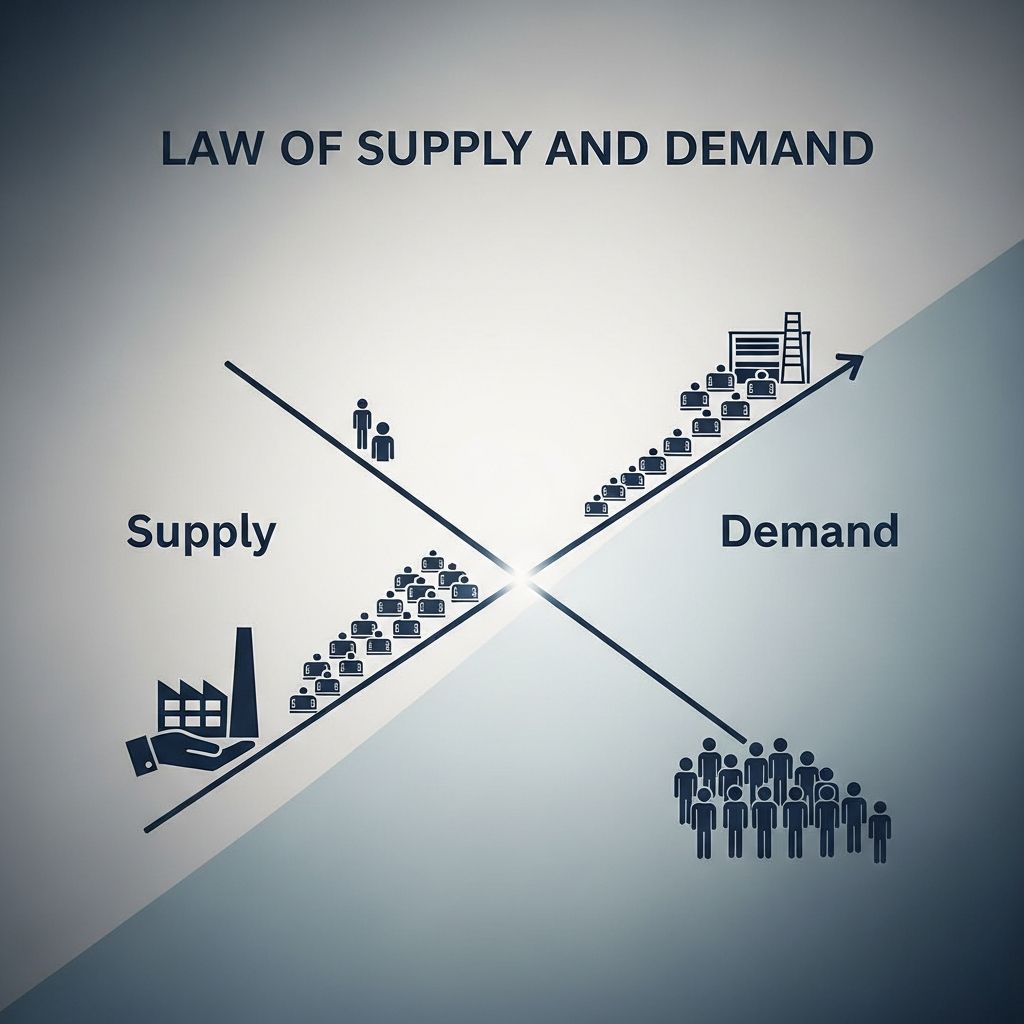
At its core, the law of supply and demand illustrates a simple yet powerful truth: when consumers want more of something than is available, prices rise, and when supply exceeds demand, prices fall. This self-correcting mechanism has guided economies for centuries, creating an invisible force that balances buyer interests with seller interests. The interplay between these two forces creates what economists call market equilibrium—the point where supply and demand are perfectly balanced.
What Is the Law of Supply and Demand?
The law of supply and demand is an economic model that determines prices in a market economy by examining the relationship between product availability and consumer desire. In its simplest form, when an item is scarce but many people want it, the price of that item will rise. Conversely, if there is a larger supply of an item than consumer demand warrants, the price will fall.
This principle operates on the assumption that both suppliers and consumers behave rationally in pursuit of their economic interests. Suppliers aim to maximize profits, while consumers seek value and satisfaction. The tension between these goals creates a natural equilibration process that brings prices to their natural market level.
Understanding Supply
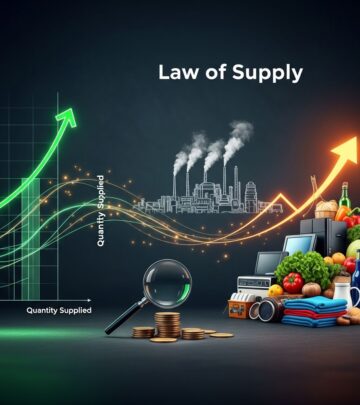
Supply refers to the total amount of a good or service that producers are willing and able to offer at various price points. The law of supply states that as the price of a product increases, suppliers are incentivized to produce more of it to capitalize on higher potential profits. This relationship between price and quantity supplied is typically positive—meaning higher prices encourage greater production.
Several factors influence supply decisions beyond just price. Manufacturers consider production costs, including labor, materials, and equipment. If the price drops below the cost of production, manufacturers may halt production entirely to avoid losses. Additionally, the availability of resources, technological capabilities, and the number of competitors in the market all affect how much suppliers are willing to produce.
For example, when a technology company develops a highly sought-after new product and can charge a premium price, they’re motivated to increase manufacturing capacity and expand production. However, as competitors enter the market and prices decline, production incentives decrease. The profit margin becomes the critical factor—suppliers will generally only produce goods when they can sell them profitably.
Understanding Demand
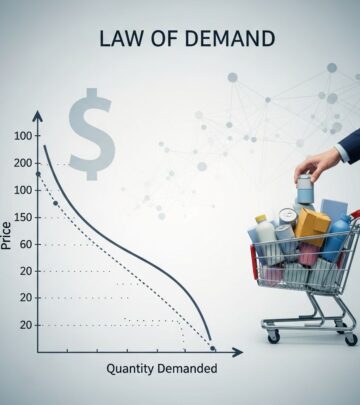
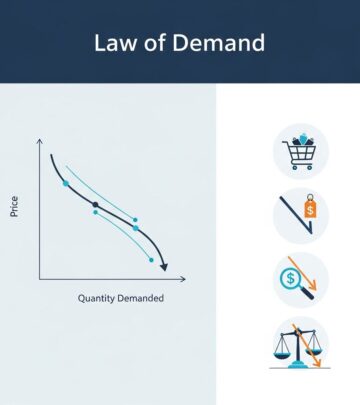
Demand represents the quantity of goods or services that consumers are willing and able to purchase at various price points. The relationship between price and quantity demanded is typically inverse—as prices fall, consumers want to buy more, and as prices rise, demand decreases. This occurs because lower prices make products more accessible to larger portions of the population.
Several factors drive consumer demand. Consumer preferences, income levels, the availability of substitute products, and expectations about future prices all influence how much consumers want to buy. When unemployment is high and incomes fall, demand for luxury goods typically decreases, while demand for essential items remains more stable.
Demand is also influenced by market trends and cultural factors. When a new version of a popular video game is released in limited supply, demand can skyrocket as enthusiastic consumers are willing to pay premium prices. However, once the initial excitement fades and supply increases, demand at the higher price point typically diminishes, forcing sellers to adjust their pricing strategy.
How Supply and Demand Reach Equilibrium
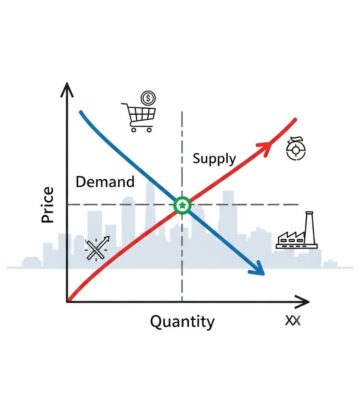
Market equilibrium occurs when the quantity supplied equals the quantity demanded at a particular price point. At this equilibrium price, there is no pressure for prices to change because the amount producers want to sell exactly matches the amount consumers want to buy. This is the natural resting point of the market.
Supply and demand continuously rise and fall until they achieve this balance. If prices are too high, surplus inventory accumulates as suppliers produce more than consumers want to purchase. This excess supply creates downward pressure on prices. Conversely, if prices are too low, shortages occur as demand exceeds supply, creating upward pressure on prices.
Consider a practical example: a shoe company develops a desirable new athletic shoe and initially sets the retail price at $500. While demand for the new shoe might be initially high among early adopters, most consumers are not willing to spend that much for athletic shoes, so sales quickly drop after the initial rush. With declining sales but plenty of shoes to sell, the manufacturer reduces the price until demand rises again. This iterative process continues until the manufacturer discovers the price point where supply and demand balance.
Real-World Applications of Supply and Demand
The principle of supply and demand extends far beyond the buying and selling of physical goods. It applies to services, labor markets, real estate, and virtually every economic transaction in modern society.
Labor Markets and Employment
In the job market, the law of supply and demand operates similarly to product markets. When unemployment is high, the supply of available workers exceeds employer demand for employees. In this scenario, employers can offer lower salaries because competition for jobs is fierce—workers have limited alternatives. The dynamic reverses during periods of low unemployment. When the situation reverses and jobs are plentiful but qualified workers are scarce, employers must offer higher salaries and better benefits to attract and retain talent. This natural adjustment mechanism helps balance workforce supply with employer needs.
Real Estate and Housing
Housing markets demonstrate supply and demand principles dramatically. When housing supply is limited relative to population growth and demand, prices rise significantly. Conversely, in markets with excess housing inventory relative to demand, prices decline. Economic conditions, interest rates, and population migration patterns all influence both supply and demand in real estate, creating significant price volatility in some markets.
Financial Markets
Stock prices, currency exchange rates, and commodity prices all respond to supply and demand dynamics. When investors demand a particular stock and shares are limited, stock prices rise. Conversely, when many investors want to sell a stock and few want to buy, prices fall. These financial markets rely entirely on the continuous adjustment of prices in response to changing supply and demand conditions.
Factors Affecting Supply and Demand
While the law of supply and demand provides a foundational understanding of market behavior, real-world complexities significantly influence its application. Several important factors shape both supply and demand decisions:
Production Costs
Variable costs such as labor, raw materials, and energy expenses directly affect supplier willingness to produce. When production costs rise, suppliers may reduce output or increase prices. Technological innovations can reduce production costs, allowing suppliers to increase output profitably at lower prices.
Competition
The number of competitors in a market influences both supply and price levels. Intense competition typically drives prices down as producers compete for market share. In concentrated markets with few suppliers, prices may remain higher as competition is limited.
Consumer Income and Economic Conditions
Economic conditions significantly affect demand. During economic booms, consumers have higher incomes and spend more freely, increasing demand across most product categories. During recessions, consumers reduce spending and demand contracts. Interest rates, inflation, and employment levels all influence consumer purchasing power and behavior.
Substitutes and Complements
The availability of substitute products affects demand. When consumers have multiple alternatives, they’re more price-sensitive. Complementary products also matter—demand for one product can influence demand for related products.
Consumer Preferences and Trends
Changing consumer preferences, cultural trends, and technological advances can rapidly shift demand patterns. Social media influence, celebrity endorsements, and lifestyle changes can create demand fluctuations that supply must eventually match.
Surplus and Shortage: When Supply and Demand Diverge
When supply and demand are not in balance, either surpluses or shortages occur. A surplus exists when the quantity supplied exceeds the quantity demanded at the current price. Retailers holding excess inventory they cannot sell experience a surplus. To eliminate surpluses, sellers typically reduce prices, which encourages consumers to buy more and suppliers to produce less, gradually restoring balance.
A shortage occurs when demand exceeds supply at the current price. Empty shelves and waiting lists indicate shortages. When shortages persist, prices typically rise, incentivizing suppliers to increase production and some consumers to reduce their demand, eventually restoring equilibrium.
The Video Game Example: A Practical Illustration
The release of a highly anticipated new video game provides an excellent real-world illustration of supply and demand dynamics. When a new version of a popular video game is released in limited supply, demand is exceptionally high. People line up outside stores, hoping to be among the first to own the game, willing to pay high prices to secure a copy.
However, after several months when supplies have been replenished, most people willing to pay the initial high price have already purchased the game. Others may want it, but not at the original price. The manufacturer may have initially priced the game at $50, but after sales slow to a certain point, they reduce the price to $40. Once again, sales strengthen as more price-conscious consumers decide to purchase. This process may repeat several times, with prices adjusting downward until either supply and demand balance at an equilibrium price, or the product is discontinued if it becomes unprofitable to continue production.
Why Market Equilibrium Matters
Market equilibrium represents the most efficient point for both buyers and sellers. At equilibrium, prices accurately reflect the true value of goods based on consumer preferences and production realities. This price discovery function helps allocate resources efficiently throughout the economy.
When markets are prevented from reaching equilibrium through price controls or other interventions, inefficiencies often result. Price ceilings can create shortages, while price floors can create surpluses. The natural market mechanism, when allowed to function, typically produces better outcomes than artificial price-fixing.
Limitations of Supply and Demand Theory
While the law of supply and demand provides valuable insights, it operates under certain assumptions that don’t always hold in real markets. Perfect competition assumes many buyers and sellers with perfect information, but many real markets feature oligopolies or monopolies. Consumers don’t always behave rationally, sometimes making purchases based on emotion, brand loyalty, or incomplete information.
External factors like government regulation, taxes, subsidies, and trade policies can significantly disrupt the natural supply and demand mechanism. Additionally, time lags exist between when demand changes and when suppliers can adjust production, causing temporary imbalances and price volatility.
Frequently Asked Questions
What does the law of supply and demand state?
The law states that when an item is scarce but many people want it, the price rises. When supply exceeds demand, the price falls. Supply and demand eventually reach equilibrium at the market-clearing price.
How do suppliers decide how much to produce?
Suppliers consider the market price, production costs, and profit potential. Higher prices incentivize greater production, while lower prices discourage production. If prices fall below production costs, suppliers typically cease production to avoid losses.
What factors influence consumer demand?
Consumer income, preferences, product prices, availability of substitutes, and economic conditions all influence demand. Trends, cultural factors, and expectations about future prices also shape purchasing decisions.
What is market equilibrium?
Market equilibrium occurs when supply equals demand at a specific price point. At equilibrium, there’s no pressure for prices to change because the quantity produced matches the quantity consumers want to buy.
How do surpluses and shortages affect prices?
Surpluses create downward pressure on prices as sellers reduce inventory. Shortages create upward pressure as consumers compete for limited goods. These pressures drive markets back toward equilibrium.
Does supply and demand apply to labor markets?
Yes. When unemployment is high, workers have less bargaining power and wages may decline. When unemployment is low and workers are scarce, employers must offer higher wages to attract talent.
Can government policies disrupt supply and demand?
Yes. Price controls, tariffs, subsidies, and taxes can prevent markets from reaching natural equilibrium. These interventions often create unintended consequences like shortages or surpluses.
Conclusion
The law of supply and demand remains one of economics’ most powerful and relevant principles, governing prices across virtually every market from consumer goods to labor and financial assets. Understanding this fundamental relationship helps explain why prices fluctuate, how markets self-correct, and why certain economic policies produce predictable results. While real-world markets are more complex than simple supply and demand models suggest, the basic principle that prices move toward equilibrium as supply and demand adjust continues to drive economic behavior and market outcomes. By grasping this foundational concept, individuals can better understand economic news, make more informed decisions, and appreciate the remarkable efficiency of markets in coordinating billions of daily transactions across the global economy.
References
- Law of Supply and Demand Video — Investopedia. 2017-01-22. https://www.investopedia.com/video/play/law-supply-and-demand/
- Law of Supply — EBSCO Research Starters, Economics. Accessed 2025. https://www.ebsco.com/research-starters/economics/law-supply
Similar Articles








Read full bio of Sneha Tete