Law of Supply and Demand: Economics Explained
Understanding how supply and demand drive market prices and economic equilibrium.

Understanding the Law of Supply and Demand
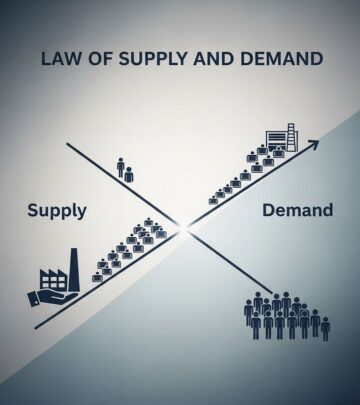
The law of supply and demand stands as one of the most fundamental principles in modern economics. It describes the relationship between the availability of a product and the desire consumers have for it, ultimately determining the price at which goods and services are bought and sold in the marketplace. At its core, this economic principle reveals how markets self-regulate through the interplay of two competing forces: suppliers seeking profit and consumers seeking value.
In a free market economy, where government interference is minimal, the law of supply and demand operates without restrictions. Consumers can purchase goods and services at prices acceptable to both buyers and sellers, allowing natural market forces to establish equilibrium. When demand for a product is high and its supply is limited, prices tend to rise. Conversely, when demand drops or supply increases, prices typically fall. This dynamic creates a natural balance that guides economic activity across virtually every industry and market segment.
The Definition and Core Concept
The law of supply and demand is fundamentally an economic theory stating that prices are determined by the relationship between supply and demand of a product or service. Consider a practical example: if demand for tennis balls suddenly spikes among recreational players, but the available supply remains limited, manufacturers will increase prices to maximize profit. However, should those same consumers shift their interest to pickleball, demand for tennis balls decreases, leading to price reductions to stimulate sales.
Two primary factors determine any product’s price: the available supply of that product and the overall demand for it. This simple concept underlies complex market dynamics. Because consumers can typically purchase the same product from multiple companies, a natural price ceiling emerges. Manufacturers must align their pricing with competitors or risk losing market share. This competitive pressure ensures that prices remain within reasonable ranges, preventing excessive pricing while still allowing businesses to operate profitably.
Four Basic Guidelines of Price Determination
Economic theory identifies four essential principles that govern how prices are established in markets:
- Supply increases while demand remains constant: Prices decrease as the market becomes oversupplied, forcing sellers to lower prices to move inventory.
- Supply decreases while demand stays the same: Prices increase due to scarcity, as consumers compete for limited available goods.
- Supply remains constant while demand rises: Prices increase because consumers’ willingness to pay for limited goods pushes prices upward.
- Supply remains constant while demand drops: Prices decrease as sellers must reduce prices to attract buyers in a weak demand environment.
Market Equilibrium and the Self-Correcting Cycle
Markets do not exist in isolation; they experience constant movement in supply, demand, and price. This dynamic creates a self-correcting mechanism that naturally stabilizes markets over time. When high prices for everyday commodities emerge, consumer behavior shifts dramatically. People drive less frequently, purchase generic store brands instead of premium products, and grill hot dogs rather than expensive rib eye steaks. This behavioral shift incrementally decreases demand, which subsequently leads to lower prices.
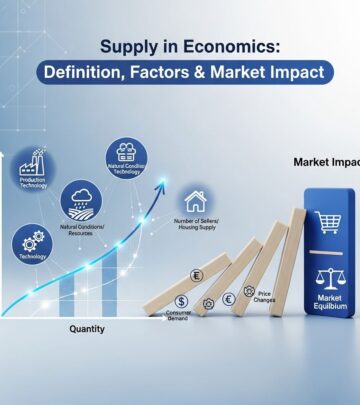
Eventually, this cycle repeats itself as lower prices stimulate renewed consumer interest. When product demand and supply are perfectly balanced, the market reaches equilibrium—also called the market-clearing price. At this point, the quantity of goods supplied by producers exactly matches the quantity demanded by consumers, creating stability in pricing and transaction volumes. This equilibrium represents an agreement between producers and consumers about the fair value of goods and services.
Factors That Affect Supply and Demand
The law of supply and demand attempts to establish whether buyers and sellers can transact based on product pricing. Three key tenets fundamentally affect the supply and demand dynamics of any product:
Consumer Trends
Consumer demand drives economic growth forward. From demand for cutting-edge computers to effective pharmaceuticals, consumers continually seek new and improved products. However, which specific products consumers most desire shifts constantly. Initial consumer demand typically occurs when products are affordable and readily available. As consumer preferences evolve—whether influenced by social media, celebrity endorsements, or technological advances—demand patterns shift dramatically. The initial launch of smartphones created unprecedented demand that transformed entire industries and supply chains.
Environmental Factors
Environmental conditions significantly impact the production and availability of many goods. Weather conditions directly affect crop yields, influencing prices for fruits, vegetables, and agricultural products at local grocery stores. Droughts can devastate grain supplies, while abundant rainfall might produce surplus harvests. When environmental factors limit product availability while demand remains constant, suppliers increase prices to reflect the scarcity. Natural disasters, climate events, and seasonal variations all create supply constraints that influence pricing strategies and market dynamics.
Product Pricing
As consumer demand increases, product supply often cannot keep pace immediately, leading suppliers to raise prices. When suppliers successfully maintain supply levels matching demand, they typically increase prices to maximize profit margins. Sellers closely monitor taxes and government regulations, as these significantly influence the net cost of supplying products. Economic cycles drive other critical aspects including supply chain efficiency and the availability of substitute goods. As product prices increase, demand typically decreases as consumers seek affordable alternatives to expensive brand-name products.
Components of Demand That Cause Market Disruptions
Five primary components of demand can disrupt market equilibrium, each causing significant shifts in pricing and availability:
Income Levels
As consumers’ income increases, they gain the ability to afford more goods and services. During periods of economic boom—as opposed to recessions or depressions—consumers are far more likely to purchase new cars, upgrade bedding, dine out frequently, and buy the latest gadgets and technology. Conversely, economic downturns reduce consumer purchasing power, shifting demand toward budget-friendly alternatives and necessities. Income changes represent one of the most powerful drivers of demand shifts across all consumer categories.
Trends and Preferences
Consumer tastes, trends, and technological preferences constantly evolve, causing demand to fluctuate accordingly. When the iPhone first launched, consumer demand skyrocketed, dramatically decreasing product availability while simultaneously increasing pricing for subsequent models. Fashion trends, dietary preferences, entertainment choices, and technological adoption all influence demand patterns. What consumers desire today may become irrelevant tomorrow, requiring suppliers to adjust production and pricing strategies continuously.
Competitor Pricing
When one company raises its prices, demand for competing products naturally increases as price-conscious consumers seek alternatives. If a company successfully manufactures a comparable product for less money and passes those savings to consumers, competitors face pressure to lower prices or accept reduced demand. This competitive dynamic keeps prices reasonable and forces continuous innovation and efficiency improvements throughout industries.
Population Changes
Population growth and demographic shifts directly impact overall demand for goods and services. Larger populations require more products, increasing aggregate demand. Migration patterns, age distributions, and household formation rates all influence demand for specific product categories. Urban growth creates different demand patterns than rural populations, affecting everything from housing to transportation to food products.
Consumer Expectations
Future expectations about prices, income, and product availability shape current purchasing decisions. If consumers expect prices to rise, they may increase current purchases. If they anticipate economic challenges ahead, they may reduce spending and increase savings. These psychological and behavioral factors create demand fluctuations independent of current price or income levels.
The Underlying Economic Laws
The law of supply and demand rests on two foundational economic principles:
The Law of Supply
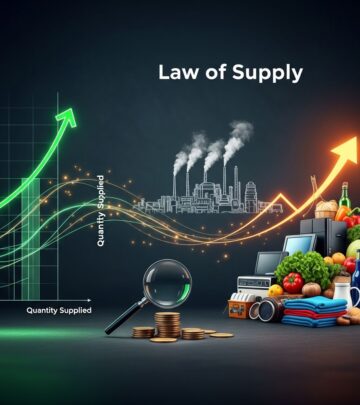
The law of supply predicts a positive relationship between pricing and supply. As prices of goods or services rise, suppliers increase production—provided that revenue from each additional unit exceeds production costs. Seeing greater profit potential, new suppliers may enter the market. For example, as electric vehicle sales surge, lithium and battery metal prices have soared. This price increase has encouraged mining companies to explore new lithium sources and expand production at existing mines, seeking higher profits from increased supply.
The Law of Demand
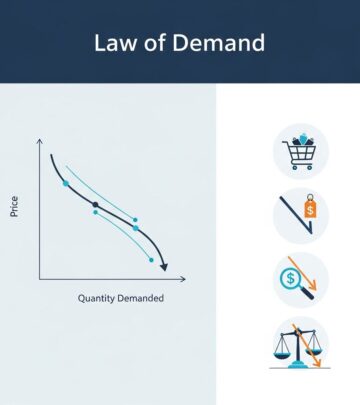
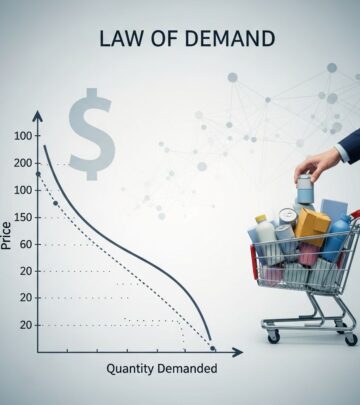
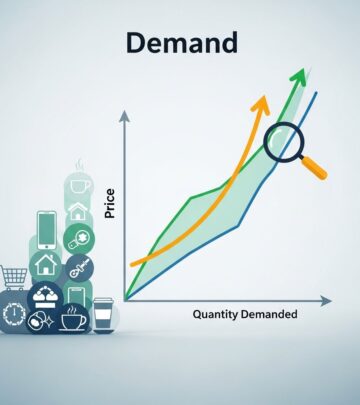
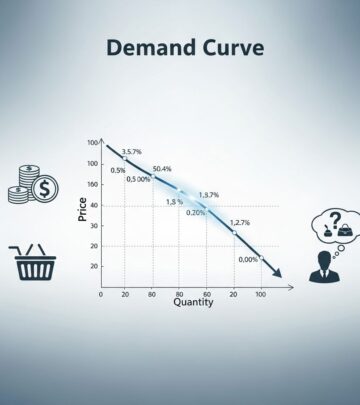
The law of demand explains consumer behavior and shapes organizational pricing strategies. It states that as product prices decrease, the quantity demanded by consumers increases, and vice versa. If coffee costs three dollars, more consumers will purchase it than if it cost fifteen dollars. Lower prices increase demand because they reduce financial barriers to purchase, making products accessible to broader consumer segments.
Practical Applications and Market Dynamics
Understanding supply and demand helps businesses determine optimal pricing strategies and fulfill customer demand while minimizing excess inventory. Retailers must balance setting prices high enough to generate profit against setting them low enough to attract customers. If suppliers demand more money than customers are willing to pay, products languish on shelves. If prices are set too low, eager customers purchase items quickly, but profitability suffers per unit.
Markets constantly experience disruptions from unexpected events, regulatory changes, technological innovation, and global circumstances. Supply chain interruptions can suddenly limit product availability, driving prices upward. New competitors entering markets can increase supply and decrease prices. Regulatory changes affecting production costs influence equilibrium prices. Understanding these dynamics helps businesses anticipate market shifts and adjust strategies proactively.
Frequently Asked Questions
Q: What is market equilibrium?
A: Market equilibrium occurs when the quantity supplied equals the quantity demanded at a specific price point. This is called the market-clearing price, where no excess supply or demand exists, creating price stability.
Q: How do external factors affect supply and demand?
A: External factors including weather patterns, government policies, technological changes, and consumer preferences constantly shift supply and demand curves, creating new equilibrium points and price levels.
Q: Can prices fall even when demand is high?
A: Yes, if supply increases significantly faster than demand increases, prices can fall even in high-demand environments. The relationship between supply and demand changes determines price direction.
Q: Why do competitors’ prices affect demand for my product?
A: Consumers compare prices across similar products from different sellers. If competitors offer better prices or value, consumers shift their purchases to those alternatives, reducing demand for higher-priced products.
Q: How does income affect supply and demand?
A: As consumer income increases, they can afford more and better-quality products, increasing demand. During economic downturns when income decreases, demand shifts toward cheaper alternatives.
References
- What Is the Law of Supply and Demand? — Money.com. 2024. https://money.com/what-is-the-law-of-supply-and-demand/
- The Law of Supply and Demand Explained — NetSuite. 2024. https://www.netsuite.com/portal/resource/articles/erp/law-of-supply-demand.shtml
- Supply and demand — Britannica Money. 2024. https://www.britannica.com/money/supply-and-demand
- Supply — The Concise Encyclopedia of Economics. Econlib. 2024. https://www.econlib.org/library/Enc/Supply.html
Similar Articles








Read full bio of Sneha Tete