Latest Inflation Statistics: Prices Rising and Falling Most
Understanding current inflation trends: Which prices are rising most and what it means for your wallet.
Latest Inflation Statistics: Understanding Current Price Trends
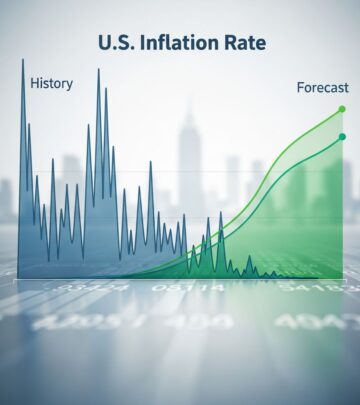
The battle against inflation remains a central concern for consumers and policymakers alike. As of July 2025, the annual inflation rate stands at 2.7%, according to the Bureau of Labor Statistics consumer price index (CPI). While this represents progress from the peaks experienced in 2022, it still hovers above the Federal Reserve’s 2% target, signaling that price pressures continue to persist throughout the economy. Understanding these inflation statistics is crucial for consumers making financial decisions and planning their budgets.
What makes the current inflation environment particularly noteworthy is that nearly three-quarters of the 400 items tracked by the Bureau of Labor Statistics experienced price increases between July 2024 and July 2025. This widespread pricing pressure underscores the pervasive nature of inflationary forces across multiple sectors of the economy. For consumers, this translates to a tangible reality: prices are 24.3% more expensive today than they were before the coronavirus pandemic recession began in February 2020.
Current Inflation Rates and Key Metrics
The most recent CPI data reveals a nuanced picture of the inflation landscape. The overall annual inflation rate of 2.7% masks important variations across different categories of goods and services. When examining “core” inflation—which excludes the volatile food and energy sectors—prices rose 3.1% annually, marking the highest rate since February 2025. This divergence between headline and core inflation suggests that certain sectors are experiencing more significant price pressures than others.
The Federal Reserve’s preferred inflation gauge, the Personal Consumption Expenditures (PCE) index, has been indicating somewhat slower inflation compared to the CPI measure. As of June 2025, the PCE index showed overall prices at 2.6%, half a percentage point below the CPI reading for the same month. Core PCE, excluding food and energy, registered at 2.8% annually, compared to 2.9% in the broader CPI measure. These slight variations highlight the importance of monitoring multiple inflation indicators to gain a comprehensive understanding of price pressures.
Which Prices Are Rising Most Rapidly
Bankrate’s analysis of 378 items from the Bureau of Labor Statistics consumer price index identified specific categories experiencing the most significant price increases. Among the items with the steepest price climbs between June and July 2025 were:
| Item Category | Monthly Price Increase |
|---|---|
| Frozen noncarbonated juices and drinks | 5.3% |
| Other motor fuels | 4.5% |
| Cookies | 4.2% |
| Airline fares | 4.0% |
| Lettuce | 4.0% |
| Ham, excluding canned | 3.9% |
| Tax return preparation and accounting fees | 3.5% |
| Infants’ and toddlers’ apparel | 3.3% |
| Tomatoes | 3.3% |
| Public transportation | 3.0% |
Shelter costs emerged as the primary driver of inflation in the recent period, with housing-related expenses continuing to exert upward pressure on the overall inflation rate. Medical care, airline fares, recreation, household furnishings and operations, and used vehicles also contributed significantly to inflationary pressures. These increases directly impact consumer budgets, particularly for essential services and housing.
Price Decreases and Consumer Savings Opportunities
While many items experienced price increases, certain categories saw welcome declines. Lodging prices fell during the period, as did energy costs and grocery prices overall. These decreases provide some relief for consumers, particularly in discretionary spending categories and energy bills. However, the positive effects of these price declines are often offset by increases in other essential categories, limiting overall purchasing power gains for many households.
The Federal Reserve’s Response to Inflation
To combat rising inflation, the Federal Reserve implemented aggressive interest rate increases throughout 2022 and 2023, lifting borrowing costs from near-zero percent to a 23-year high of 5.25-5.5%. This dramatic shift in monetary policy represented one of the fastest rate-hiking cycles in Federal Reserve history. Beginning in late 2024, the Fed adopted a more cautious approach, cutting rates by a full percentage point across three consecutive meetings in 2024. Current borrowing costs now reside in a target range of 4.25-4.5%, reflecting the Fed’s attempt to balance inflation concerns with economic growth considerations.
However, 2025 presents a different challenge for Fed policymakers. President Donald Trump’s tariff policies have lifted inflation concerns, prompting officials to take a more measured approach to further rate reductions. The current CPI data reflects inflation in July, but numerous tariffs were set to take effect later in the month, suggesting that consumer inflation could accelerate in the coming months as these costs work through the supply chain.
What This Means for Your Purchasing Power
The cumulative impact of inflation since 2020 cannot be overstated. While consumers often focus on the most recent monthly or annual inflation figures, the long-term erosion of purchasing power tells a more complete story. Prices today are substantially higher than pre-pandemic levels, meaning that even with wage increases, many workers have lost ground in terms of what they can purchase with their earnings. The wage-to-inflation gap, which measures whether paychecks have kept pace with price increases, stood at negative 1.2 percentage points, indicating that real wages have lagged price increases over the past four years.
This gap between wage growth and inflation has significant implications for household finances. Even though nominal wages have increased, the purchasing power of those wages has declined. Families must stretch their budgets further to cover the same goods and services they purchased before the pandemic. For many Americans, this has required difficult choices about discretionary spending and long-term financial planning.
Looking Ahead: Inflation Prospects for 2025 and Beyond
Economists remain divided on when inflation will return to the Federal Reserve’s 2% target. Recent surveys indicate growing skepticism about achieving this goal quickly, with only 13% of economists now believing it likely that inflation will reach 2% by the end of 2025. This represents a significant shift from earlier projections and reflects the sticky nature of current price pressures, particularly in services and shelter.
The introduction of significant tariffs in 2025 adds another layer of uncertainty to inflation forecasts. Tariff-induced price increases could ripple through the economy, affecting not just imported goods but also domestically produced items that rely on imported inputs. Experts warn that these costs may take several months to fully work their way through the supply chain and reach consumers, suggesting that inflation could accelerate in the latter half of 2025.
Consumer Strategies in an Inflationary Environment
With inflation persisting above the Fed’s target and new price pressures emerging from tariff policies, consumers should consider several strategies to protect their purchasing power. First, understanding which categories are experiencing the fastest price increases allows households to make informed decisions about where to reduce discretionary spending. Second, locking in fixed-rate agreements for services before anticipated price increases can provide savings. Third, exploring opportunities to increase income through wage negotiations or side work becomes increasingly important when real wages are declining.
Additionally, consumers should monitor interest rate developments closely, as Fed rate cuts can eventually translate into lower borrowing costs for mortgages, auto loans, and credit cards. However, these benefits typically materialize with a lag, so consumers should plan ahead rather than expecting immediate relief.
Frequently Asked Questions About Inflation Statistics
Q: What is the current annual inflation rate?
A: As of July 2025, the annual inflation rate stands at 2.7%, according to the Bureau of Labor Statistics. This rate has remained stable for two consecutive months but continues to exceed the Federal Reserve’s 2% target.
Q: How much have prices increased since before the pandemic?
A: Prices are now 24.3% higher than they were in February 2020, before the coronavirus pandemic-induced recession. This substantial increase reflects the cumulative effect of inflation over approximately five years.
Q: Why is core inflation higher than headline inflation?
A: Core inflation, which excludes food and energy, currently stands at 3.1%, higher than the 2.7% headline rate. This is because energy and food prices are more volatile. Recently, energy and food prices have declined, which pulls down the headline rate but doesn’t affect the core measure.
Q: What is causing shelter costs to rise so rapidly?
A: Shelter costs have emerged as the primary driver of inflation due to sustained housing demand, limited housing supply, and higher mortgage rates that have persisted in the broader economy. These factors continue to put upward pressure on both rental and homeownership costs.
Q: When will inflation return to the Fed’s 2% target?
A: Economists remain uncertain about the timing. Recent surveys show only 13% of economists believe inflation will reach 2% by the end of 2025, compared to earlier optimistic projections. New tariff policies add additional uncertainty to this timeline.
Q: How have wages kept up with inflation?
A: Wages have not fully kept pace with inflation. The wage-to-inflation gap stands at negative 1.2 percentage points, meaning that despite nominal wage increases, workers’ purchasing power has declined over the past four years.
Q: What items have seen the biggest price increases?
A: Between June and July 2025, frozen juices and drinks saw the largest increase at 5.3%, followed by motor fuels at 4.5%, cookies at 4.2%, and airline fares at 4.0%. Food and transportation costs have been particularly affected.
Q: How have recent Federal Reserve interest rate changes affected consumers?
A: The Fed cut rates by a full percentage point across three meetings in 2024, moving borrowing costs to a range of 4.25-4.5% from a 23-year high. These cuts eventually help reduce consumer borrowing costs for mortgages, auto loans, and credit cards, though the benefits typically appear with a lag.
References
- Latest Inflation Statistics: The Prices Rising And Falling Most — Bankrate. 2025-07. https://www.bankrate.com/banking/federal-reserve/latest-inflation-statistics/
Similar Articles








Read full bio of medha deb