Late Payments and Credit Scores
Discover how missed payments impact your credit, from short delays to long-term damage, and strategies to recover and prevent future issues.
Missed payments on debts like credit cards or loans can significantly influence your financial profile if they exceed certain thresholds. Creditors generally do not report minor delays to credit bureaus, but delinquencies of 30 days or more create lasting marks that affect lending decisions.
Understanding Payment Reporting Timelines
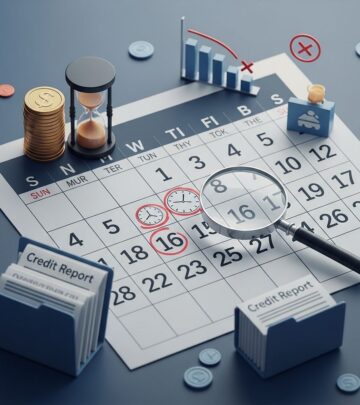
Creditors monitor payment due dates closely, but the point at which a delay becomes a credit issue is standardized across the industry. Payments made within the first 29 days after the due date are typically classified as current and do not trigger negative reporting. This grace-like window provides a buffer for oversights or minor cash flow hiccups.
Once a payment reaches 30 days past due, lenders update their records with a delinquency code and transmit this information to the major credit bureaus: Equifax, Experian, and TransUnion. This process can take one to two billing cycles, meaning the mark might not appear immediately on your reports.
- Days 1-29 late: No bureau reporting; possible internal late fees apply.
- Day 30+: Delinquency reported, impacting scores.
- Updates reflect in 30-day increments (e.g., 60, 90 days).
This incremental coding helps bureaus track severity, with each escalation worsening the perceived risk.
Immediate Consequences Beyond Credit Reports
Even before bureau reporting, short delays incur direct costs. Lenders often charge late fees—typically $25 to $40 per instance—and may hike interest rates via penalty APRs, which can persist for months. For credit cards, this compounds balances quickly.
| Delay Duration | Credit Report Impact | Other Penalties |
|---|---|---|
| 1-29 days | None | Late fees, penalty APR |
| 30-59 days | Reported as 30-day late | Fees, rate increases, score drop |
| 60-89 days | 60-day late notation | Escalated collections risk |
| 90+ days | Severe delinquency | Charge-off possible |
These non-credit penalties emphasize the value of prompt action, regardless of reporting thresholds.
How Much Does a Late Payment Hurt Your Score?
Payment history constitutes about 35% of FICO scores and similar weight in VantageScore models, making it the dominant factor. A first-time 30-day late payment can subtract 60 to 110 points, with higher drops for those starting from excellent credit (e.g., 800+).
The damage scales with lateness and frequency:
- Single 30-day late: 60-100 point drop.
- Multiple or 60+ days: 100-150+ points, plus compounded effects.
- Prior good history amplifies the relative hit; weaker profiles see smaller absolute drops but deeper proportional harm.
For buy-now-pay-later services, even one late installment can mirror credit card impacts, dropping scores by around 100 points since positive history isn’t always reported.
Long-Term Presence on Your Credit History
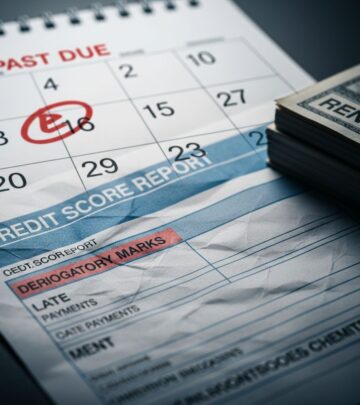
Once recorded, late payments linger for seven years from the original delinquency date. Their influence diminishes over time as newer, positive behaviors outweigh old negatives. Reports denote delinquencies in bands up to 180 days, after which charge-offs occur—creditors writing off the debt as a loss, often selling it to collections.
Charge-offs and collections extend damage, as they signal severe unreliability and remain reportable for seven years too. Bringing accounts current halts further escalation, but historical marks persist.
Strategies to Minimize and Recover from Damage
Swift remediation is key. Pay overdue amounts immediately to prevent progression to higher delinquency tiers. Consistent on-time payments thereafter rebuild history effectively.
Additional recovery steps include:
- Monitor reports regularly: Check Equifax, Experian, and TransUnion via AnnualCreditReport.com for errors.
- Reduce utilization: Keep balances below 30% of limits to offset payment dings.
- Add positive accounts: Secured cards or credit-builder loans demonstrate reliability.
- Dispute inaccuracies: If a payment was reported erroneously, file disputes with bureaus.
- Seek goodwill adjustments: Politely request lenders remove paid lates as a one-time courtesy.
Full recovery timelines vary: 6-12 months for minor impacts, 2-3 years for severe ones, assuming flawless behavior.
Preventing Late Payments in the Future
Proactive habits safeguard scores. Automate payments to cover minimums due dates, and schedule alerts for upcoming bills. Maintain an emergency fund covering 3-6 months of essentials to weather income disruptions.
For those in hardship, contact creditors early—many offer forbearance, lower rates, or revised plans before delinquencies form. Budgeting tools and apps track cash flow, ensuring debts align with inflows.
Frequently Asked Questions
Will a one-day late payment show on my credit report?
No, payments under 30 days late do not get reported to bureaus, though fees may apply.
Can I remove a late payment from my report?
Not easily; they stay seven years unless disputed successfully or removed via goodwill. Focus on rebuilding.
How soon after paying late does my score improve?
Scores may rebound in 1-2 months with on-time payments, but full effects take longer as history updates.
Do all creditors report lates the same way?
Most follow the 30-day rule, but reporting cycles vary slightly by lender.
Does paying off a charged-off account help?
It stops further damage and shows responsibility “paid” status, aiding future applications, but the mark remains.
Key Takeaways for Credit Health
Prioritizing timely payments is foundational to strong credit. While one slip isn’t catastrophic if addressed quickly, patterns of delay compound risks. Regular monitoring and disciplined finances turn potential setbacks into manageable hurdles.
References
- Does a One Day Late Payment Affect Your Credit Score? — Experian. 2023. https://www.experian.com/blogs/ask-experian/does-a-one-day-late-payment-affect-your-credit-score/
- How Late Payments Affect Credit: What You Need to Know — Crestmont Capital. 2024. https://www.crestmontcapital.com/blog/how-late-payments-affect-credit-what-you-need-to-know
- How do late payments affect credit scores? — Credit Karma. 2024. https://www.creditkarma.com/credit/i/late-payments-affect-credit-score
- When do late payments show up on credit report? — Chase. 2023. https://www.chase.com/personal/credit-cards/education/build-credit/when-late-payments-show-up-on-credit-report
- How Long Do Late Payments Stay on Your Credit Report? — Citi. 2024. https://www.citi.com/credit-cards/money-management/how-long-do-late-payments-stay-on-credit-report
- How much your credit score can drop if you miss a ‘buy now, pay later’ payment — FOX 32 Chicago (YouTube). 2023. https://www.youtube.com/watch?v=NkBGQN1sb1c
- Does a Late Payment Affect Credit Score? — myFICO. 2024. https://www.myfico.com/credit-education/faq/negative-reasons/late-payments
- When Does a Late Credit Card Payment Show Up on Credit Reports? — Equifax. 2023. https://www.equifax.com/personal/education/credit-cards/articles/-/learn/when-late-credit-card-payments-post/
Similar Articles








Read full bio of Sneha Tete