Late Car Insurance Payments: Policy Cancellation Risks
Understand how missed payments affect your auto coverage and what steps to take immediately.
Missing a car insurance payment can create significant financial and legal complications for drivers. While many policyholders worry that a single late payment will immediately terminate their coverage, the reality involves a structured process that provides opportunities to remedy the situation. Understanding this timeline and the associated consequences is essential for maintaining continuous protection and avoiding substantial penalties.
The Immediate Response: What Happens in the First Few Days
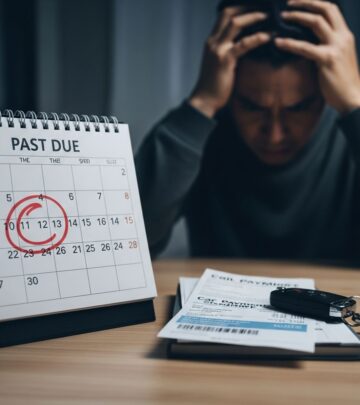
When a car insurance premium payment fails to arrive on the scheduled date, the insurance company typically initiates a notification process rather than immediately canceling coverage. During the first few days after the missed payment, policyholders often receive email or text reminders alerting them to the payment problem. This initial communication serves as an early warning system, giving drivers an opportunity to address the oversight before more serious consequences develop.
The grace period structure varies among insurance providers and sometimes depends on state regulations. Most major insurers extend between 10 to 30 days of continued coverage after the original due date, during which policyholders retain full protection while they arrange payment. This grace period represents a critical window during which immediate action can prevent policy cancellation and the associated complications.
Formal Notice Requirements and Cancellation Procedures
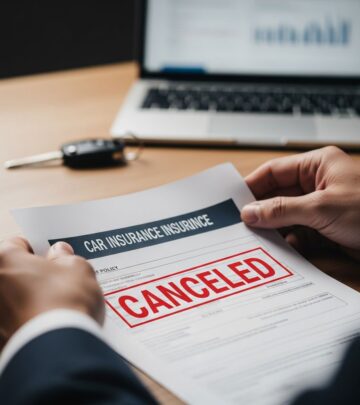
State laws mandate that insurance companies provide formal written notice before canceling any policy for nonpayment. Between the 4th and 10th day after a missed payment, insurers must send official cancellation notices by mail or email, clearly outlining the deadline by which payment must be received. This advance notification requirement ensures that policyholders have adequate time to respond and take corrective action.
The formal cancellation notice specifies an exact date after which coverage will terminate if payment is not received. This deadline typically falls 10 to 30 days after the initial notice, though the specific timeframe varies by state and insurance company. The notice also typically outlines the amount owed, including the original premium and any applicable late fees.
If payment is not received by the designated cancellation date, the insurance company will proceed with terminating the policy. Once a policy is canceled for nonpayment, the driver is no longer insured, creating a dangerous and legally problematic situation. Driving without active insurance coverage violates state laws in virtually all jurisdictions and can result in severe penalties including fines, license suspension, and vehicle impoundment.
Financial Penalties Associated with Late Payments
Beyond the threat of cancellation, missed payments trigger several financial consequences. Insurance companies typically assess late payment fees for overdue premiums. The specific amount varies by insurer but adds to the total amount owed and makes catching up on payments more expensive.
Additionally, late payments negatively impact an insurance score—a metric that insurance companies use to assess risk and determine premiums. This scoring system evaluates the probability of future insurance claims and calculates the reliability of the policyholder. A payment history that includes late or missed payments signals higher risk to insurers, resulting in elevated premium rates both with the current provider and when shopping for coverage with other companies.
The insurance score damage extends beyond temporary rate increases. Future applications for insurance coverage will reflect the late payment history, and new insurance companies will verify previous cancellations for nonpayment. This information creates long-term consequences that can affect insurance affordability for years after the initial incident.
Reinstatement Options and Associated Requirements
If a policy is canceled due to nonpayment, reinstatement may be possible, though it is not guaranteed. Insurance companies retain discretion regarding whether to allow policyholders to restore canceled coverage. When reinstatement is available, specific financial and procedural requirements typically apply.
Policyholders seeking reinstatement must pay the full amount of the missed premium, all associated late fees, and sometimes additional amounts. In certain cases, insurers require payment of the next premium installment or even the full remaining balance of the policy term. These additional costs make reinstatement significantly more expensive than simply paying the missed payment on time.
Beyond financial requirements, some insurance companies require policyholders to complete a no-loss statement, confirming that no accidents or insurance claims occurred while the policy was lapsed. This documentation protects the insurance company from liability for incidents that may have occurred during the uninsured period. Additionally, certain insurers may require policyholders to reapply for coverage or provide updated information before reinstating a canceled policy.
Contacting the insurance company within 30 days of cancellation provides the best opportunity for successful reinstatement. The longer the delay, the less likely the insurance company will agree to restore coverage. After a certain period, the company may decline reinstatement entirely, forcing the policyholder to seek a new insurance provider.
Challenges When Obtaining New Coverage After Cancellation
If an insurance company declines to reinstate a canceled policy, the policyholder must find alternative coverage. However, the history of cancellation for nonpayment significantly complicates this process. New insurance companies routinely verify cancellation histories and use this information to make underwriting decisions.
Insurance companies discovering a previous cancellation for nonpayment often respond by imposing restrictive conditions on new coverage. These responses may include:
- Requiring annual premium payment in full rather than allowing monthly installments
- Charging substantially higher premiums for equivalent coverage
- Declining to provide coverage entirely, even for applicants with otherwise clean driving records
The impact of previous cancellation can persist for years, affecting insurance availability and affordability long after the original incident. Some high-risk insurers specialize in covering drivers with cancellation histories, but their rates are typically significantly higher than standard insurance market rates.
State Regulations and Variation in Requirements
Car insurance cancellation procedures are regulated at the state level, creating variation in specific requirements across different jurisdictions. State laws dictate the minimum notice period required before cancellation, typically ranging from 10 to 60 days. Some states mandate specific timeframes, while others allow insurers to establish their own grace periods within legal minimums.
Texas law, for example, does not mandate a specific grace period, leaving this determination to individual insurance companies. This variation means that policyholders in different states may experience different timelines and requirements. Understanding the specific regulations in your state helps clarify what to expect if a payment is missed.
Proactive Strategies to Prevent Payment Problems
Several strategies can significantly reduce the risk of missed payments and the cascading consequences that follow. Automatic payment arrangements represent one of the most effective prevention methods, allowing policyholders to “set and forget” their insurance premiums. Most insurance carriers offer autopay options that automatically withdraw premium payments on the scheduled due date.
Alternatively, policyholders can establish automatic bill payments through their bank, which sends payment directly to the insurance carrier. This approach provides an extra layer of control for those uncomfortable providing banking information directly to the insurance company.
For policyholders who prefer manual payment, setting up electronic reminders on phones or email calendars provides an effective safeguard against forgetfulness. These reminders can be configured to alert several days before the due date, providing sufficient time to ensure funds are available and payment processing is complete.
Paying the full annual or semi-annual premium at renewal offers another strategy, though affordability limits this option for many drivers. Those who can manage lump-sum payments reduce payment frequency to once or twice yearly, minimizing opportunities for missed payments.
Distinguishing Cancellation from Nonrenewal
Insurance policy termination can occur through either cancellation or nonrenewal, and understanding the distinction is important. Cancellation typically occurs within the first 60 days of coverage or for specific reasons such as fraud or nonpayment. Nonrenewal, by contrast, occurs at the end of the policy term and may result from various factors unrelated to nonpayment, such as an increase in claims history or changes in the company’s service area.
Cancellation requires specific justification and typically involves a shorter notice period, while nonrenewal generally requires 30 to 60 days’ notice and can result from broader underwriting criteria. Both situations result in loss of coverage, but the legal procedures and remedies differ.
Immediate Action Steps After Recognizing a Missed Payment
Upon discovering that a car insurance payment has been missed, immediate action is critical. First, contact the insurance provider directly to inform them of the oversight and ask what steps are necessary to bring the account current. Many insurance representatives can provide information about payment options and any flexibility regarding late fees.
Policyholders experiencing financial difficulty should communicate this to their insurance company, as some providers may be willing to work with customers facing temporary financial challenges. Discussion of policy modifications or payment arrangements could potentially prevent cancellation.
Request written confirmation that the policy remains active once payment is made. This documentation protects the policyholder and provides evidence of continuous coverage if any issues arise. For first-time payment mistakes, ask whether the insurance company will waive the late fee as a courtesy.
Long-Term Implications and Credit Score Impact
The consequences of policy cancellation extend beyond immediate insurance availability. A lapse in auto insurance coverage shows up on the insurance record, affecting future premium calculations as insurers view it as an indicator of higher risk. This rating persists and influences insurance costs for multiple years following the incident.
Additionally, if the canceled policy resulted in unpaid premiums being sent to collection agencies, the debt could impact personal credit scores. This consequence can affect other aspects of financial life, including loan applications and interest rates for mortgages or personal loans.
References
- Consequences of Late Insurance Payments — DF Murphy. Accessed April 2026. https://www.dfmurphy.com/blog/consequences-of-late-insurance-payments/
- I Missed an Auto Insurance Payment: Here’s What to Expect — Sitka Insurance. Accessed April 2026. https://www.sitkainsurance.com/article/i-missed-auto-insurance-payment-heres-what-to-expect/
- Missed a Car Insurance Payment? Here’s What Happens — A-MAX Insurance. Accessed April 2026. https://www.amaxinsurance.com/knowledge-center/missing-insurance-payments
- Car Insurance Lapse: What It Means & How to Get Back on Track — Direct Auto. Accessed April 2026. https://www.directauto.com/learning-center/high-risk-insurance/car-insurance-policy-lapses
- Is There a Grace Period for Car Insurance? How It Works — GEICO. Accessed April 2026. https://www.geico.com/information/aboutinsurance/auto/car-insurance-grace-period/
- Missed an Auto Insurance Payment: What to Do Now — InsurePro LLC. Accessed April 2026. https://www.insproagency.com/blog/missed-an-auto-insurance-payment-what-to-do-now.aspx
- What to Do if Your Car Insurance is Canceled — Bankrate. Accessed April 2026. https://www.bankrate.com/insurance/car/car-insurance-canceled/
Similar Articles








Read full bio of Sneha Tete