Purchasing Travel Insurance at the Last Minute
Comprehensive guide to understanding coverage options when buying travel insurance close to departure
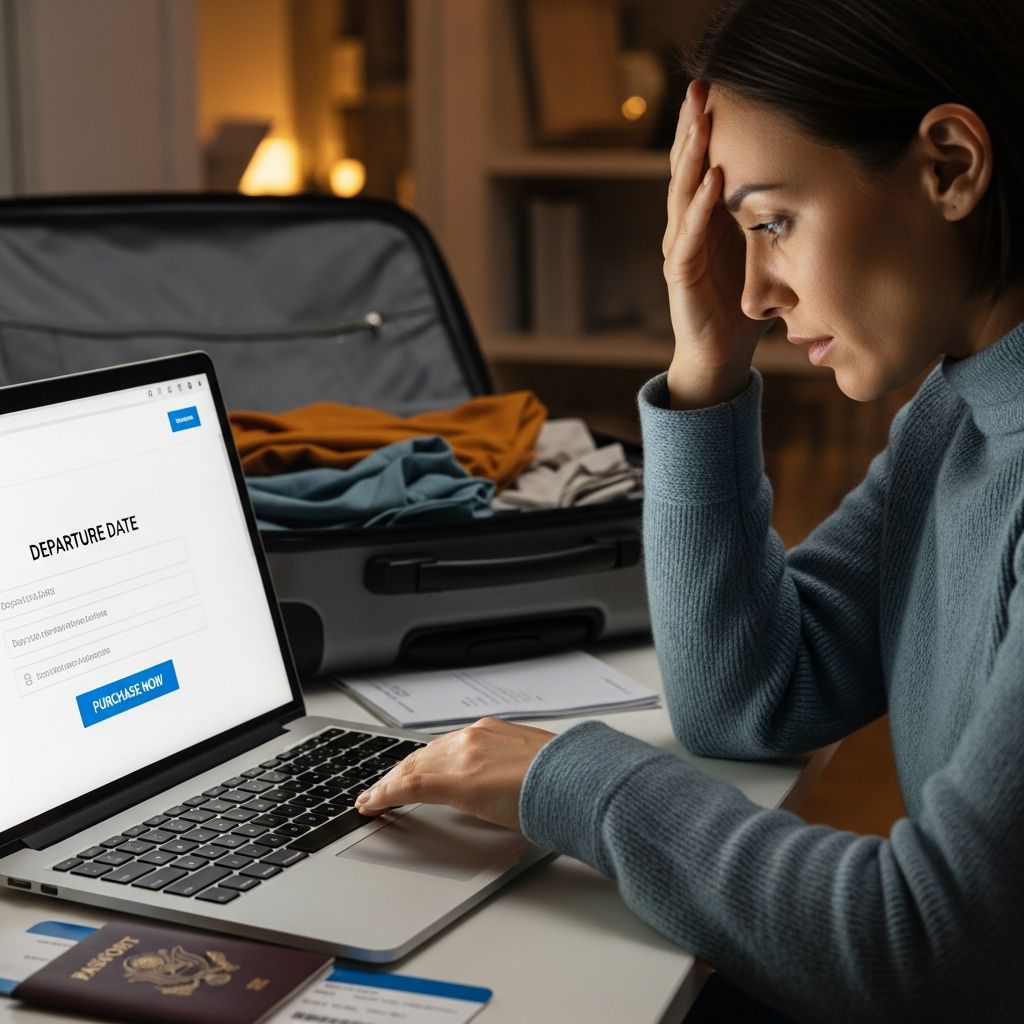
The appeal of securing travel insurance in the final days before departure is understandable—it feels like a safety net purchased at the eleventh hour. However, the reality of last-minute travel insurance is far more nuanced than simply buying a policy and expecting comprehensive protection. Understanding what these policies actually cover, their significant limitations, and the timing considerations that affect your eligibility for benefits is essential for making informed decisions about your trip protection.
What Protection Activates When You Buy Late
Despite the timing challenges, purchasing travel insurance close to your departure date does provide meaningful protection for certain categories of risk. The key to understanding late-purchase policies lies in recognizing that they prioritize “post-departure” benefits—protections that activate once your trip begins rather than covering events that might prevent you from traveling.
When your policy becomes active, you gain access to several critical forms of coverage:
- Emergency medical treatment and hospitalization: Unexpected illness or injury while traveling receives coverage for doctor visits, hospital stays, and necessary medications abroad
- Medical evacuation and repatriation: Should you require transport to a medical facility capable of providing necessary care or transport home for serious medical situations, these costs are typically covered
- Baggage and personal belongings protection: Lost luggage, stolen money, damaged passports, and other personal items within policy limits receive compensation
- Travel delays and disruptions: When flights are delayed, connections are missed, or trips are abandoned due to covered circumstances, you can claim reimbursement for related expenses
The comprehensiveness of these benefits depends heavily on the specific policy you select. Standard last-minute policies typically emphasize medical and evacuation coverage while offering more limited support for other categories.
The Cancellation Coverage Challenge
The single most important limitation of last-minute travel insurance involves trip cancellation coverage. Many travelers purchase travel insurance primarily to recover their investment if circumstances force them to cancel their trip. Unfortunately, this is precisely where late-purchase policies fall dramatically short.
The fundamental rule governing cancellation claims is straightforward but often misunderstood: you cannot claim for cancellation based on circumstances that existed before you purchased your policy. If you knew about a potential reason to cancel when you bought coverage, that reason is not eligible for compensation. This restriction creates a significant gap in protection for travelers who wait until the last moment.
Several specific scenarios illustrate this limitation:
| Scenario | Coverage Status | Reason |
|---|---|---|
| Traveling companion becomes ill before you purchase insurance | Not Covered | Illness existed before policy purchase |
| Weather system named before you buy insurance | Not Covered | Foreseeable event known at purchase time |
| Unexpected job loss after insurance purchase | May Be Covered | New circumstance after policy activation |
| Family emergency occurring after purchase | May Be Covered | Depends on policy terms and whether event qualifies |
Additionally, insurers classify certain events as “foreseeable” once they become officially announced or widely known. A tropical storm that has been formally named by meteorological agencies, for instance, cannot typically be claimed as a valid cancellation reason if you purchased insurance after that announcement. This interpretation significantly restricts the circumstances under which you can recover cancellation costs when buying late.
Pre-Existing Medical Conditions and Coverage Restrictions
Travelers with existing medical conditions face particular challenges when purchasing insurance at the last minute. Many standard travel insurance policies exclude claims arising from pre-existing medical conditions, meaning any illness or complication related to a condition you had before buying the policy cannot be claimed.
Some insurers offer pre-existing condition waivers, but these typically must be purchased within a specific window following your initial trip booking—often within 14 to 21 days. By the time you’re purchasing insurance days before departure, this waiver window has likely closed, leaving you without coverage for condition-related issues.
This restriction applies even to conditions currently under investigation or monitoring at the time you purchase the policy. The exclusion is broad and difficult to overcome through late purchase alone.
Waiting Periods and Coverage Delays
Some insurance providers impose waiting periods before coverage fully activates, particularly for policies purchased after you’ve already departed. During this waiting period, coverage may be extremely limited. For example, sudden accidents might receive coverage, but illnesses or injuries that develop during the waiting period typically do not qualify for reimbursement.
Understanding the specific terms of your policy regarding waiting periods is crucial. A 48-hour waiting period, for instance, means you’re traveling for two days with minimal protection before comprehensive coverage begins. This gap can be problematic if medical issues arise during those initial days.
Why Early Purchase Provides Superior Protection
The limitations of last-minute travel insurance become clear when compared to policies purchased well in advance. Early purchase provides access to benefits and options that disappear as your departure date approaches.
Cancel For Any Reason coverage represents a prime example. This optional benefit allows you to cancel your trip for essentially any reason and recover a significant portion of your nonrefundable expenses—typically between 50% and 75%. However, this benefit can usually only be added within 14 to 21 days of your initial trip deposit, making it inaccessible through last-minute purchases.
Pre-existing condition waivers similarly require early purchase, as do certain trip delay benefits and other specialized protections. The longer you wait, the more benefits become permanently unavailable to you, regardless of how much you’re willing to pay.
Assessing Your Actual Risk When Buying Late
When purchasing travel insurance days before departure, honestly evaluate which risks actually concern you and whether the available coverage addresses them. This assessment helps you make realistic decisions about whether late-purchase insurance provides value or merely provides false comfort.
Consider the following questions:
- Are you traveling to a location with high healthcare costs, where emergency medical coverage provides genuine financial protection?
- Have you already paid significant nonrefundable deposits that would be lost if you cannot travel?
- Are you concerned about potential medical emergencies during your trip rather than reasons you might cancel before departing?
- Do you have specific activities or adventures planned that might result in injuries?
- Is your destination experiencing weather systems or events that represent genuine risks during your travel dates?
If your primary concern is cancellation protection due to reasons that might emerge before departure, last-minute insurance likely cannot address that concern. However, if you’re primarily seeking protection against unexpected medical emergencies or trip disruptions once you’re traveling, late-purchase policies can still provide meaningful benefits.
Known Events and Foreseeable Circumstances
A critical principle underlying most travel insurance policies is that they cover unexpected events, not foreseeable or known circumstances. This distinction becomes particularly important when weather or other predictable events might affect your trip.
If you’re planning to travel to a destination where a tropical storm has already been named, purchasing insurance after that announcement will not provide cancellation coverage related to that specific storm. The event was foreseeable at the time you bought the policy, so it falls outside coverage. Similarly, if severe weather patterns are already being reported for your destination, delaying your insurance purchase in hopes of coverage is unlikely to succeed.
Travelers concerned about weather-related disruptions should purchase insurance before weather systems become officially named or widely predicted, not after.
Comparing Last-Minute Coverage Across Different Scenarios
The actual protection you receive through last-minute insurance varies significantly based on your specific circumstances at purchase time.
Purchasing on your departure day: You gain medical, evacuation, baggage, and delay coverage for your trip itself. You also retain minimal cancellation coverage for genuinely new events that emerge after purchase but before you check in for your flight. However, this window is extremely narrow, and you cannot claim for issues you already knew about.
Purchasing after you’ve already departed: You can add coverage through an “already departed” policy or add-on, typically with a 48-hour waiting period before full protection activates. During those 48 hours, sudden accidents may receive coverage, but illnesses do not. After the waiting period concludes, standard coverage applies, but you cannot receive reimbursement for events occurring during the waiting period unless they were sudden accidents.
Purchasing for a short getaway or budget trip: You should calculate whether the insurance premium exceeds the financial risk of going uninsured. For a $300 weekend trip, insurance might cost $30-50. If you’re unlikely to need medical evacuation or face significant delays, going uninsured might be financially rational, particularly if you’re traveling within developed countries with accessible healthcare.
Strategic Recommendations for Last-Minute Purchasers
If you find yourself in a position to purchase travel insurance only days before departure, several strategies can optimize your protection:
- Read policy documents thoroughly: Don’t rely on marketing language or summaries. Understand exactly what’s covered, what’s excluded, and what conditions must be met to file successful claims
- Contact your insurer with specific questions: Travel insurance agents or company representatives can clarify ambiguous policy language and confirm whether your particular concerns receive coverage
- Consider your destination’s healthcare costs: If traveling within Europe or other regions with affordable healthcare, the financial benefit of medical coverage is lower than when traveling to destinations with expensive healthcare systems
- Verify activity exclusions: If you’re planning adventure activities or extreme sports, confirm whether these activities are excluded from your policy before purchase
- Document any pre-existing conditions: Be clear about your medical history when purchasing, as misrepresenting or failing to disclose pre-existing conditions can result in denied claims
The Bottom Line: When Last-Minute Insurance Makes Sense
Last-minute travel insurance can provide valuable protection, but primarily for unexpected events occurring during your trip rather than reasons you might cancel before departing. If you’re uncomfortable traveling without medical coverage in your destination, worried about potential emergency medical costs, or concerned about travel delays affecting your itinerary, last-minute insurance addresses these concerns reasonably well.
Conversely, if you’re hoping to recover prepaid travel costs due to cancellation, worried about weather that’s already been predicted or named, or concerned about pre-existing medical conditions, last-minute insurance likely cannot provide adequate protection. These scenarios require advance planning and early policy purchase to access the necessary coverage.
The most important takeaway is this: last-minute travel insurance is not a comprehensive replacement for advance planning. It’s a supplementary safety net that covers specific categories of risk but comes with significant limitations. Make your purchase decisions based on realistic expectations about what coverage you’ll actually receive, not on hope that insurance will cover situations excluded by policy terms or timing restrictions.
Frequently Asked Questions About Last-Minute Travel Insurance
Can I purchase travel insurance the day I fly?
Yes, most insurance providers allow purchase on departure day. However, your coverage for cancellation is extremely limited since the cancellation window occurs only between purchase and check-in, and only for genuinely new events discovered during that narrow timeframe.
What happens if I buy insurance after I’ve already left home?
Some insurers offer “already departed” policies with waiting periods before coverage activates. Check your specific provider’s terms, as coverage may be limited during the waiting period and you won’t receive any cooling-off period for refunds.
Will last-minute insurance cover a pre-existing medical condition?
Typically, no. Pre-existing condition waivers must usually be purchased within 14-21 days of your initial trip booking. Late purchases generally cannot access these waivers, leaving pre-existing conditions excluded from coverage.
Can I claim for trip cancellation if I purchase insurance days before departure?
Only if the reason for cancellation emerges after you purchase the policy. Any circumstance that existed before purchase is ineligible for compensation.
Is last-minute travel insurance worth the cost?
This depends on your destination, trip cost, specific risks you face, and your financial situation. For expensive trips to high-cost healthcare destinations, medical and evacuation coverage provides clear value. For budget trips to developed countries, the cost may exceed your actual financial exposure.
References
- What You Need to Know About Purchasing Last-Minute Travel Insurance — Travel Pulse. 2026. https://www.travelpulse.com/news/travel-insurance/what-you-need-to-know-about-purchasing-last-minute-travel-insurance
- Why You Shouldn’t Buy Your Travel Insurance Last Minute — Visitors Coverage. 2026. https://www.visitorscoverage.com/blog/travel-insurance-buyers-tips-dont-wait-till-the-last-moment/
- Last-Minute Travel Insurance: How Late You Can Buy, What It Covers — Rise and Shield. 2026. https://riseandshield.com/last-minute-travel-insurance/
- Why You Should Avoid Buying Last-Minute Travel Insurance — Explore. 2026. https://www.explore.com/1299165/why-avoid-buying-last-minute-travel-insurance/
- Booking Travel Protection Last Minute: What You Need to Know — Travel Insured. 2026. https://www.travelinsured.com/travel-blog/booking-travel-protection-last-minute-what-you-need-to-know/
Similar Articles








Read full bio of medha deb