Lapse: Definition, Types, and Real-World Applications
Understanding lapses in contracts, insurance, and legal agreements—comprehensive guide.
Understanding Lapse: A Comprehensive Guide
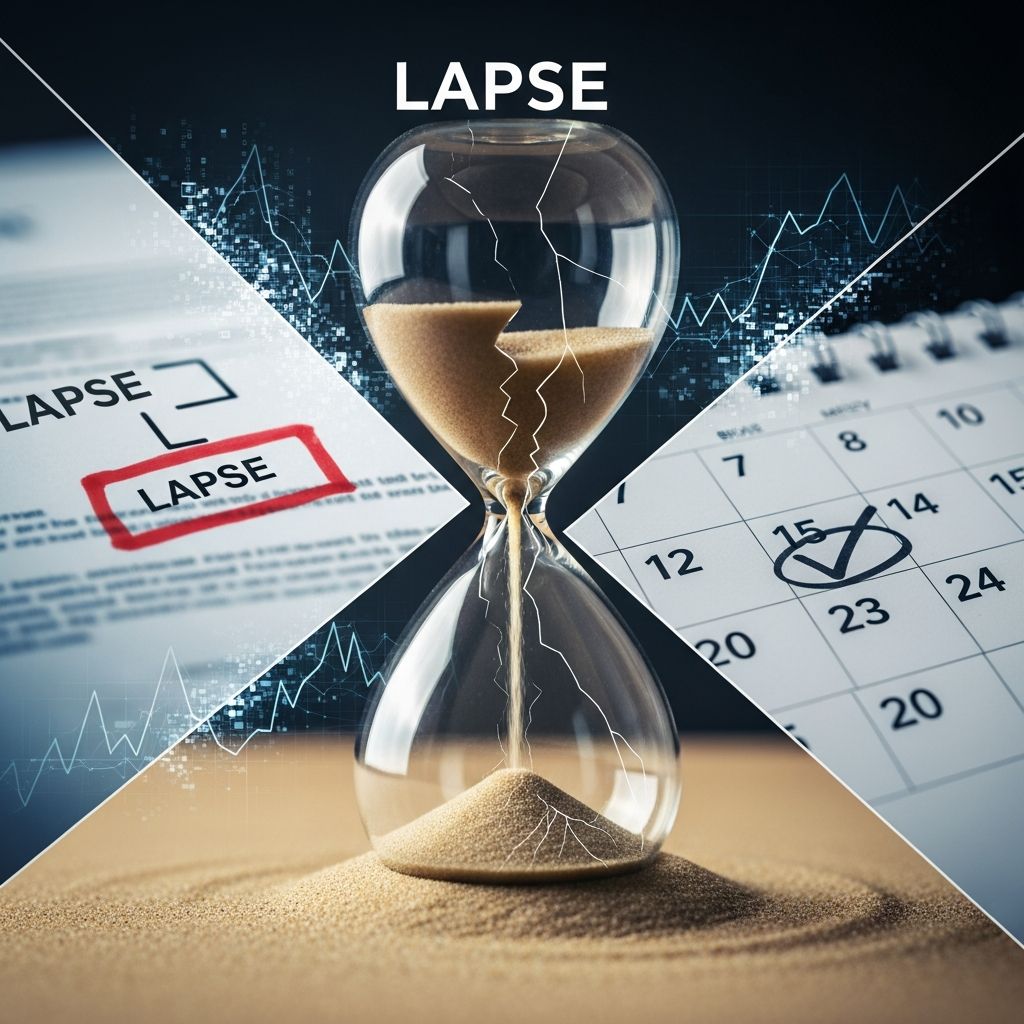
A lapse represents the termination or expiration of a right, privilege, or agreement due to the passage of time or failure to meet specified conditions. In financial and legal contexts, a lapse occurs when something that was previously valid or enforceable becomes invalid because the time period for its validity has ended or the required conditions have not been fulfilled. Understanding lapses is critical for managing contracts, insurance policies, memberships, and various other agreements that form the foundation of modern business and personal finance.
The concept of lapse extends across multiple domains, including insurance, legal agreements, employment benefits, and intellectual property rights. Whether an individual allows their insurance policy to lapse or a company fails to renew a business contract, the consequences can be significant and far-reaching. By understanding what constitutes a lapse and how to avoid unwanted lapses, individuals and businesses can protect their interests and maintain continuous coverage or rights.
The Definition and Core Concept of Lapse
A lapse, in its most basic form, means the termination of something due to the expiration of time or the failure to perform a required action. The term derives from Latin and originally meant “to slip” or “to fall.” In modern usage, a lapse indicates that a previously valid arrangement has become invalid or ineffective.
The key characteristic of a lapse is that it occurs automatically when certain conditions are met, typically the passage of a specified time period without renewal or fulfillment of obligations. Unlike a cancellation, which is an intentional termination by one or both parties, a lapse is often an unintended consequence of inaction or oversight. However, some lapses are intentional, such as when an individual chooses not to renew a subscription or membership.
The distinction between lapse and other forms of termination is important. A cancellation is typically an active decision by one party to end an agreement, while a lapse occurs passively through the passage of time. A suspension, conversely, temporarily halts rights or privileges with the possibility of reinstatement, whereas a lapse typically results in permanent termination unless the lapsed agreement is renewed.
Types and Applications of Lapse
Insurance Policy Lapse
One of the most common and consequential types of lapse occurs in insurance. An insurance policy lapses when the policyholder fails to pay premiums before the due date or grace period expires. When an insurance policy lapses, coverage terminates immediately, leaving the policyholder without protection. This can have serious financial consequences if an unexpected event occurs after the lapse date.
Insurance lapses can occur across various types of coverage, including health insurance, auto insurance, homeowners insurance, and life insurance. Most insurance policies include a grace period, typically ranging from 10 to 30 days, during which premiums can still be paid without the policy lapsing. Once the grace period expires, however, the policy lapses, and the insured individual loses all coverage benefits. To reinstate a lapsed policy, the policyholder must typically pay all outstanding premiums plus any applicable fees or penalties.
Contract and Agreement Lapse
Contracts and agreements lapse when the time period specified in the agreement expires without renewal or extension. For example, a lease agreement lapses when the lease term ends and the tenant vacates the property without renewing the lease. Similarly, service agreements, supply contracts, and licensing agreements all lapse when their specified terms expire.
In business contexts, contract lapses can be costly and disruptive. If a critical supply contract lapses without renewal, a business may face supply chain disruptions. When employment agreements lapse, employees may lose specific rights or benefits that were detailed in the contract. Many contracts include automatic renewal clauses that prevent lapses by automatically renewing the agreement unless one party explicitly opts out.
Membership and Subscription Lapse
Memberships to organizations, gyms, clubs, and subscription services commonly lapse when renewal fees are not paid. A gym membership might lapse if the member fails to pay the monthly or annual fee. Similarly, magazine subscriptions, software subscriptions, and professional organization memberships all lapse when renewal payments are not made.
Many subscription services offer grace periods or reminder notifications before a lapse occurs, allowing subscribers to renew before losing access. However, some services immediately terminate access upon non-payment. Some subscriptions include automatic renewal features that charge the subscriber’s payment method periodically unless they actively cancel the subscription.
Professional License and Certification Lapse
Professional licenses and certifications lapse when renewal requirements are not met within specified timeframes. Doctors, lawyers, accountants, and other licensed professionals must renew their licenses periodically by meeting continuing education requirements and paying renewal fees. If these requirements are not met before the expiration date, the license lapses, and the professional can no longer legally practice their profession.
A lapsed professional license can significantly impact career prospects and income. Depending on the profession and jurisdiction, allowing a license to lapse may result in loss of income, potential legal liability, and the need for extensive retraining or examination to restore the license. Many professional organizations and licensing boards offer grace periods and reinstatement procedures for lapsed licenses.
Trademark and Patent Lapse
Intellectual property rights, including trademarks and patents, can lapse if owners fail to maintain them properly. Patents expire after a specified term (typically 20 years from the filing date for utility patents in the United States) and lapse into the public domain. Trademark protection requires the trademark owner to use the mark in commerce and renew the registration periodically, typically every 10 years.
If a trademark is not used in commerce for a continuous period (generally three years), it can lapse and be cancelled. Similarly, if renewal fees are not paid, trademark protection lapses. Once intellectual property rights lapse, they typically cannot be reclaimed, and the intellectual property enters the public domain where others can use it freely.
Causes and Consequences of Lapse
Common Causes of Lapse
Lapses occur for various reasons, ranging from simple oversight to intentional decisions. The most common cause is forgetfulness—individuals forget to pay premiums, renewal fees, or subscription charges. Changes in circumstances, such as job loss or reduced income, may cause individuals to intentionally allow policies or subscriptions to lapse due to financial constraints.
Administrative errors also contribute to lapses. A payment might be mailed but not received, or a payment might be applied incorrectly, causing a lapse despite the policyholder’s intention to maintain coverage. Address changes and outdated payment information can prevent renewal notices from reaching the intended recipient, leading to unintended lapses.
Changes in circumstances can lead to intentional lapses. An individual might allow their gym membership to lapse if they no longer intend to use the gym. Similarly, a business might allow a contract to lapse if they no longer need the services or products covered by the agreement.
Financial Consequences
The financial consequences of lapse vary depending on the type of lapse and the circumstances. When an insurance policy lapses, the policyholder loses coverage immediately and may face significant expenses if an insured event occurs. Reinstating a lapsed insurance policy typically requires paying all back premiums, late fees, and possible penalties.
In business contexts, lapsed contracts can result in supply chain disruptions, loss of revenue, and emergency costs to find alternative suppliers or service providers. Lapsed licenses can result in loss of income and the cost of retraining or re-examination to restore the license.
Legal and Professional Consequences
Beyond financial consequences, lapses can have legal and professional implications. If an insured event occurs after a policy lapses, the insurance company is not obligated to provide coverage, and the insured individual must bear the full cost of the loss. In some cases, allowing a required license to lapse while continuing to practice can result in legal liability and professional discipline.
A lapsed contract may result in breach of contract claims if one party depended on the contract’s continuation. Lapsed intellectual property rights mean the property enters the public domain, and others can use it without permission or compensation.
How to Avoid Unintended Lapses
Payment Reminders and Automatic Renewal
Many service providers offer automatic renewal features that renew subscriptions or policies automatically by charging a payment method on file. Automatic renewal eliminates the risk of unintended lapses due to forgetfulness. However, individuals should monitor automatic renewals to ensure they still want the service and to catch any billing errors or unauthorized charges.
Setting payment reminders through banking applications or calendar applications can help individuals remember when payments are due. Many providers send reminder notices before expiration dates, but these reminders may not reach the intended recipient if contact information is outdated.
Updating Payment Information
Keeping payment methods and contact information current with service providers and insurers helps ensure that renewal notices are received and payments are processed successfully. When credit cards expire or change, individuals should update their payment information with all relevant providers to prevent lapsed payments due to failed transactions.
Reviewing Agreements and Terms
Understanding the terms of any agreement, including renewal requirements, grace periods, and lapse conditions, helps individuals make informed decisions about whether to allow an agreement to lapse. Reading terms and conditions helps identify automatic renewal features or renewal requirements that might otherwise be overlooked.
Maintaining Critical Coverage
For critical coverages like health, auto, and homeowners insurance, individuals should prioritize keeping policies active. Many states have minimum insurance requirements, and allowing required insurance to lapse can result in penalties and legal consequences. Setting calendar reminders and ensuring sufficient funds are available for premium payments can help prevent unintended lapses.
Reinstatement and Recovery from Lapse
If a policy, membership, or agreement lapses, recovery is often possible, though it may involve additional costs. Most insurance policies can be reinstated by paying all back premiums and applicable fees, usually within a specified period (often six months to one year). Reinstatement requirements vary by policy type and insurer.
Many professional licenses can be reinstated by paying renewal fees and fulfilling any required continuing education or re-examination. Intellectual property can sometimes be restored, but the process is complex and may not fully restore the rights that were previously held.
Some lapses are permanent and cannot be recovered. For example, once a patent expires and enters the public domain, it cannot be reclaimed. Similarly, once a trademark is cancelled due to non-use, reclaiming it requires re-registration and may be subject to challenges from other users.
Lapse in Different Contexts
Tax and Legal Contexts
In tax law, certain tax benefits and exemptions lapse if taxpayers fail to meet specific requirements or filing deadlines. Tax credits and deductions often lapse if not claimed within specified timeframes. Understanding lapse provisions in tax law is essential for taxpayers seeking to minimize their tax liability.
In legal contexts, statutes of limitations specify the time period within which legal actions must be filed. These time periods represent a form of lapse in legal rights—if a claim is not filed before the statute of limitations expires, the right to file that claim lapses permanently.
Employment and Benefits
Employee benefits, such as health insurance, retirement benefits, and leave balances, may lapse under certain conditions. If an employee loses eligibility for a benefit, the benefit lapses. Some benefits, such as vacation days, may lapse if not used by a specific deadline. Understanding lapse provisions in employment agreements and benefit plans is important for employees seeking to maximize their benefits.
FAQs About Lapse
Q: What is the difference between a lapse and a cancellation?
A: A lapse occurs passively through the expiration of time or failure to meet renewal requirements, while a cancellation is an active decision by one or both parties to terminate an agreement. Lapses often occur unintentionally, whereas cancellations are typically intentional.
Q: Can a lapsed insurance policy be reinstated?
A: Yes, most lapsed insurance policies can be reinstated by paying all back premiums and applicable fees, usually within a specified period such as six months to one year. The specific reinstatement process and requirements vary by insurer and policy type.
Q: What happens if I allow my insurance to lapse?
A: If your insurance lapses, you lose all coverage effective on the lapse date. If an insured event occurs after the lapse, the insurance company will not provide coverage, and you will be responsible for all costs. Additionally, allowing required insurance to lapse may result in legal penalties.
Q: How can I prevent my policies from lapsing?
A: You can prevent lapses by setting payment reminders, enrolling in automatic renewal programs, keeping your payment information current, and marking renewal dates on your calendar. Reviewing your agreements to understand renewal requirements also helps prevent unintended lapses.
Q: What is a grace period in relation to lapse?
A: A grace period is an additional time period after a payment or renewal deadline during which an agreement remains active despite non-payment. For example, an insurance policy might have a 30-day grace period, meaning the policy remains active for 30 days after the premium due date if payment has not been made.
Q: Can professional licenses be reinstated after lapsing?
A: Many professional licenses can be reinstated after lapsing by fulfilling renewal requirements, paying renewal fees, and meeting any required continuing education or re-examination requirements. However, the specific reinstatement process varies by profession and jurisdiction.
References
- Lapse Verb Definition — Oxford Learners Dictionaries. Accessed 2025. https://www.oxfordlearnersdictionaries.com/us/definition/american_english/lapse_2
- Understanding Insurance Policy Lapses — National Association of Insurance Commissioners (NAIC). Published 2024. https://www.naic.org
- Contract Renewal and Lapse Provisions — American Bar Association. Published 2023. https://www.americanbar.org
- Trademark Maintenance and Renewal Requirements — United States Patent and Trademark Office (USPTO). Accessed 2025. https://www.uspto.gov
- Professional License Renewal and Reinstatement — Council on Licensure, Enforcement and Regulation (CLEAR). Published 2024. https://www.clearahppp.org
Similar Articles








Read full bio of medha deb