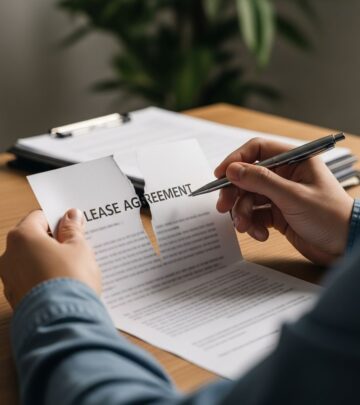
Landlord Selling Rental: Tenant Guide
Discover your legal protections, negotiation strategies, and practical steps when your landlord puts your home on the market.

Your lease remains a binding contract even if your landlord decides to sell the property, protecting your right to stay until the term ends unless specific legal steps are followed.
Core Protections Under Your Rental Agreement
The foundation of your security lies in the lease document, which transfers automatically to any new owner upon sale. This means the incoming buyer inherits all existing terms, including rent amounts, duration, and conditions, without disrupting your occupancy. Landlords cannot evict tenants solely to facilitate a quicker sale; proper procedures must be adhered to, varying by jurisdiction but universally emphasizing contractual obligations.
Key elements to scrutinize in your lease include clauses on early termination, property sales, and required notice periods. Absent explicit provisions allowing deviation, you maintain occupancy rights through the full term. This setup benefits investor-buyers seeking immediate rental income, reducing pressure on you to vacate prematurely.
Handling Property Showings and Access Requests
Landlords often request access for potential buyers to view the property. While reasonable accommodations are expected, your privacy rights limit disruptions. Typically, showings require advance notice—often 24 to 48 hours—and must occur during reasonable hours, such as weekdays between 9 AM and 6 PM.
- Politely confirm all requests in writing to create a record.
- Set boundaries, like limiting visits to twice weekly or specific times.
- If showings become excessive, document and discuss with your landlord to negotiate terms.
Maintaining a clean, staged home can expedite the process, potentially leading to offers that preserve your tenancy. Open communication fosters cooperation without compromising your position.
Scenarios When Sale Impacts Tenancy
Not all sales affect tenants equally. Distinguish between occupied sales, where buyers accept renters, and vacant possession deals, where empty properties command higher prices.
| Scenario | Tenant Impact | Legal Requirements |
|---|---|---|
| Sale with Tenants In Place | Lease continues unchanged; new owner becomes landlord | Automatic lease transfer; no eviction rights for buyer |
| Vacant Possession Requested | Landlord must issue formal notice to vacate | Strict timelines (e.g., 6 months pre-lease end); proper delivery methods |
| Lease Expiration Aligns with Sale | Opportunity to renew or negotiate | No automatic renewal; review local laws for protections |
In vacant cases, invalid notices—due to timing errors or improper delivery—hold no force, allowing you to challenge them effectively.
Negotiation Tactics for Favorable Outcomes
Leverage the complexities of tenant-occupied sales to your advantage. Buyers may hesitate over inherited leases, giving you bargaining power. Common strategies include:
- Cash-for-Keys Deals: Receive payment to vacate early, covering moving costs or deposits elsewhere. Amounts vary by market, lease remainder, and location.
- Rent Concessions: Secure reduced rates or waived fees during the sale period.
- Moving Assistance: Request help with relocation expenses or references for new housing.
- Extended Stay: Negotiate post-sale occupancy if the buyer agrees.
Approach discussions professionally, documenting all agreements in writing. This can yield win-win resolutions, especially if the landlord seeks a smooth transaction.
Understanding Eviction Rules and Defenses
Eviction for sale purposes demands rigorous compliance. Landlords must provide adequate notice, often months in advance, and justify via lease terms or statute. You retain defenses like:
- Challenging improper notice delivery (e.g., no registered mail acknowledgment).
- Asserting protected status, such as age 65+ with low income, triggering rehousing duties in some areas.
- Proving lease violations by the landlord, like unaddressed repairs.
Illegal lockouts or harassment violate tenant protections; report to local housing authorities immediately.
Transitioning to a New Owner Smoothly
Upon closing, notify the buyer of your lease details promptly. Update rent payments via their preferred method, requesting written confirmation. Request an estoppel certificate outlining agreed terms to prevent disputes.
Changes like security deposit handling or maintenance protocols may shift, but core lease rights persist. Build rapport early to ensure seamless continuity.
Special Circumstances and Exceptions
Certain tenants enjoy enhanced safeguards. Seniors (65+) or low-income households may qualify for rehousing mandates, where landlords offer comparable nearby units. Social housing or specific contracts add layers of protection.
Even without mandates, explore aids like government housing appeals (e.g., DALO equivalents), financial grants from agencies like CAF or Action Logement, or social services for relocation support. High-demand markets sometimes allow shorter notice for voluntary early moves.
Practical Checklist for Tenants Facing a Sale
- Review lease thoroughly for sale-related clauses.
- Document all landlord communications in writing.
- Prepare for showings with a cleaning routine and schedule.
- Research local tenant laws via government housing sites.
- Consult a tenant rights organization or attorney if pressured.
- Secure rental references and financial records for future applications.
- Explore new housing options discreetly if needed.
Frequently Asked Questions
Can I be evicted just because the property is for sale?
No, a sale alone does not terminate a valid lease. Eviction requires proper notice and legal grounds.
Do I have first refusal to buy the property?
In some jurisdictions, valid sale notices grant a 2-month priority purchase window.
What if the new owner wants me out immediately?
They must honor the lease or follow eviction protocols; no immediate ouster is permitted.
Is cash-for-keys a standard offer?
Not required, but commonly negotiated to avoid prolonged tenancies.
How much notice is needed for showings?
Typically 24-48 hours, during business hours, limited in frequency.
Proactive Steps to Strengthen Your Position
Stay informed on local ordinances, as rules differ widely—urban areas often favor tenants more robustly. Join tenant unions for advocacy and resources. Maintain impeccable payment and upkeep records to bolster credibility in disputes.
Financially, budget for potential moves by saving a buffer. Platforms offering tenant-friendly rentals prioritize stable histories, turning this into an opportunity for upgrades.
Emotionally, view the sale as a pivot point. Many tenants emerge with better deals through negotiation or natural lease ends, transforming uncertainty into empowerment.
References
- Tenant Rights: Landlord Selling – What You Need To Know — Mar Azul Receptivo. Accessed 2026. https://reserva.marazulreceptivo.com.br/aanews1/tenant-rights-landlord-selling-what
- WHEN YOUR LANDLORD DECIDES TO SELL: THE TRUTH ABOUT YOUR RIGHTS — Francenest. Accessed 2026. https://francenest.com/tenant-rights-when-landlord-sells-property/
- My landlord is selling the rental property. What are my rights — Avvo Legal Answers Archive. Accessed 2026. https://archive.avvo.com/legal-answers/my-landlord-is-selling-the-rental-property-what-ar-4179284.html
- Tenants rights guide: What if your landlord is selling your rental? — Inkl News. Accessed 2026. https://www.inkl.com/news/tenants-rights-guide-what-if-your-landlord-is-selling-your-rental
Similar Articles








Read full bio of medha deb