Landlord Credit Checks: Key Factors Revealed
Discover exactly what property owners examine in your credit report to decide if you're a reliable renter, and how to strengthen your application.

Property owners rely on credit evaluations as a primary tool to gauge a potential renter’s ability to meet lease obligations. These assessments reveal patterns in financial behavior that predict reliability in paying rent on time.
Why Credit Reports Matter in Tenant Selection
During the rental application process, a thorough financial review helps minimize risks associated with late payments or defaults. Landlords access comprehensive reports from major bureaus to form a complete picture beyond just income statements. This step confirms not only fiscal habits but also basic identity details, reducing fraud risks.
Reports highlight long-term trends, such as consistent bill management or accumulating obligations, which signal future performance. In competitive markets, strong profiles set applicants apart, often tipping the scales in their favor.
Core Elements Landlords Examine Closely
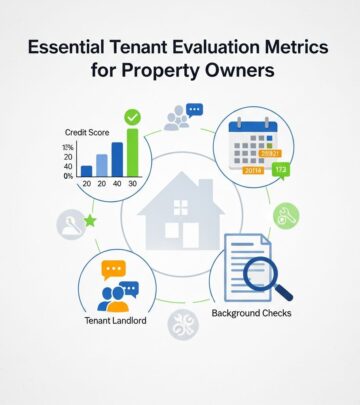
Every credit file contains distinct sections that owners prioritize. Understanding these allows renters to anticipate scrutiny and address weaknesses proactively.
- Identifying Details: Names, addresses, Social Security or tax ID numbers, and employment notes verify the applicant’s legitimacy.
- Ongoing Accounts: Listings of credit cards, loans, and other debts show current management levels.
- Repayment Patterns: Timeliness records across accounts form the backbone of reliability judgments.
- Outstanding Balances: Total debts and ratios to income reveal affordability for rent.
- Adverse Events: Collections, judgments, or filings indicate past troubles.
The Role of Credit Scores in Approvals
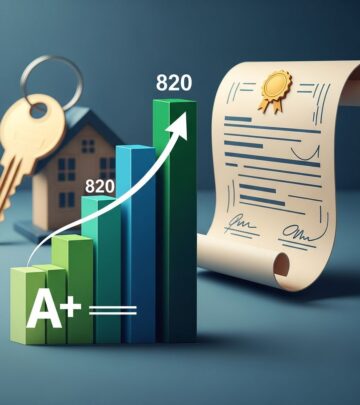
A numerical summary, typically ranging from 300 to 850, condenses financial health into a single metric. Most owners seek thresholds around 620 or higher, with 650+ preferred in high-demand areas. Scores derive from factors like repayment consistency (35%), debt amounts (30%), history length (15%), new credits (10%), and mix (10%).
| Score Range | Typical Landlord View | Approval Likelihood |
|---|---|---|
| 740+ | Excellent | High |
| 670-739 | Good | Strong |
| 620-669 | Fair | Possible with extras |
| Below 620 | Poor | Low, needs mitigation |
Higher figures suggest low risk, while lower ones prompt deeper reviews or denials unless offset by guarantors or deposits.
Payment History: The Reliability Indicator
Landlords place heavy emphasis on whether bills were settled promptly. Derogatory marks from 30+ days late weigh heavily, as they forecast potential rent delays. Positive streaks over years build trust, demonstrating discipline even under stress.
Recent lapses carry more impact than ancient ones, with most bureaus ignoring entries over seven years old. Renters with spotty records can explain contexts like medical emergencies, backed by documentation.
Debt Levels and Financial Capacity
Owners calculate debt-to-income (DTI) ratios by dividing monthly obligations by earnings. Ideal ratios stay under 36%, leaving room for rent without strain. High revolving balances on cards signal overextension risks.
Installment debts like auto loans factor in similarly. In reviews, landlords cross-reference with pay stubs to ensure rent fits comfortably within budgets.
Public Records and Legal Red Flags
Filings such as bankruptcies (Chapter 7 lasts 10 years, Chapter 13 for 7), liens, or judgments appear as major concerns. Eviction histories, though sometimes separate, amplify worries about repeat issues.
Cleared collections still linger, but paid statuses lessen severity. Landlords weigh recency and resolution when deciding.
Navigating the Screening Process Legally
Federal laws like the Fair Credit Reporting Act mandate written consent before pulls. Owners must provide adverse action notices if denying based on findings. State rules vary on fees, often capped at actual costs.
- Gather application with consent form.
- Submit to screening service.
- Review report holistically.
- Notify applicants of decisions promptly.
Online platforms simplify this, generating profiles reusable across listings.
Strategies for Renters to Improve Profiles
Proactive steps yield results within months. Dispute inaccuracies via bureau portals, as errors affect one in five files.
- Clear small debts to lower utilization below 30%.
- Automate payments to perfect history.
- Limit new applications to avoid inquiries.
- Build history with secured cards if thin.
For thin files, alternatives like bank statements or references substitute. Cosigners with solid scores rescue borderline cases.
Common Myths About Rental Credit Checks
Misconceptions abound. Checks don’t always demand perfect scores; context matters. Soft pulls for pre-screening exist but rarely suffice alone. No universal minimum exists—local markets dictate.
Landlord Perspectives on Comprehensive Screening
Beyond credit, owners blend data: income (3x rent), eviction/criminal searches, references. This layered approach balances risks holistically. Consistent criteria prevent discrimination claims.
Frequently Asked Questions
What is the average minimum credit score for rentals?
Around 620-650, varying by location and property type.
How long do negative items stay on reports?
Most 7 years; bankruptcies up to 10.
Can I rent with no credit history?
Yes, via alternatives like proof of savings or cosigners.
Who pays for the credit check?
Typically applicants, per local laws.
Does applying hurt my score?
Hard pulls ding temporarily (5-10 points), soft ones don’t.
Timeline for Rental Credit Evaluations
Initial pulls process instantly, full verifications span 1-5 days including employment and references. Delays arise from incomplete apps.
In summary, mastering these elements equips renters for success. Landlords seek stability signals above all.
References
- What Do Landlords Look for in a Credit Check? A Detailed Checklist — LeaseRunner. 2024. https://www.leaserunner.com/blog/what-do-landlords-look-for-in-a-credit-check
- Rental Credit Check: How to Check Someone’s Credit for Renting — Avail. 2024. https://www.avail.com/education/articles/how-to-check-someones-credit-for-renting
- Everything You Need to Know About a Renter’s Credit Check — Greystar. 2024. https://www.greystar.com/blog/renters-credit-check-guide
- Rental Credit Check: What Landlords Look For — NerdWallet. 2024. https://www.nerdwallet.com/finance/learn/landlords-credit-check
- Tenant Credit Check for Landlords: 2025 Guide — TurboTenant. 2025. https://www.turbotenant.com/rental-screening/tenant-credit-check-guide/
- Tenant Credit Checks for Landlords — TransUnion SmartMove. 2024. https://www.mysmartmove.com/tenant-screening-services/tenant-credit-checks
Similar Articles








Read full bio of Sneha Tete