Knowing Your Triggers Can Prevent Stupid Spending
Discover how identifying and managing spending triggers can stop impulse buys and build better financial habits for long-term wealth.
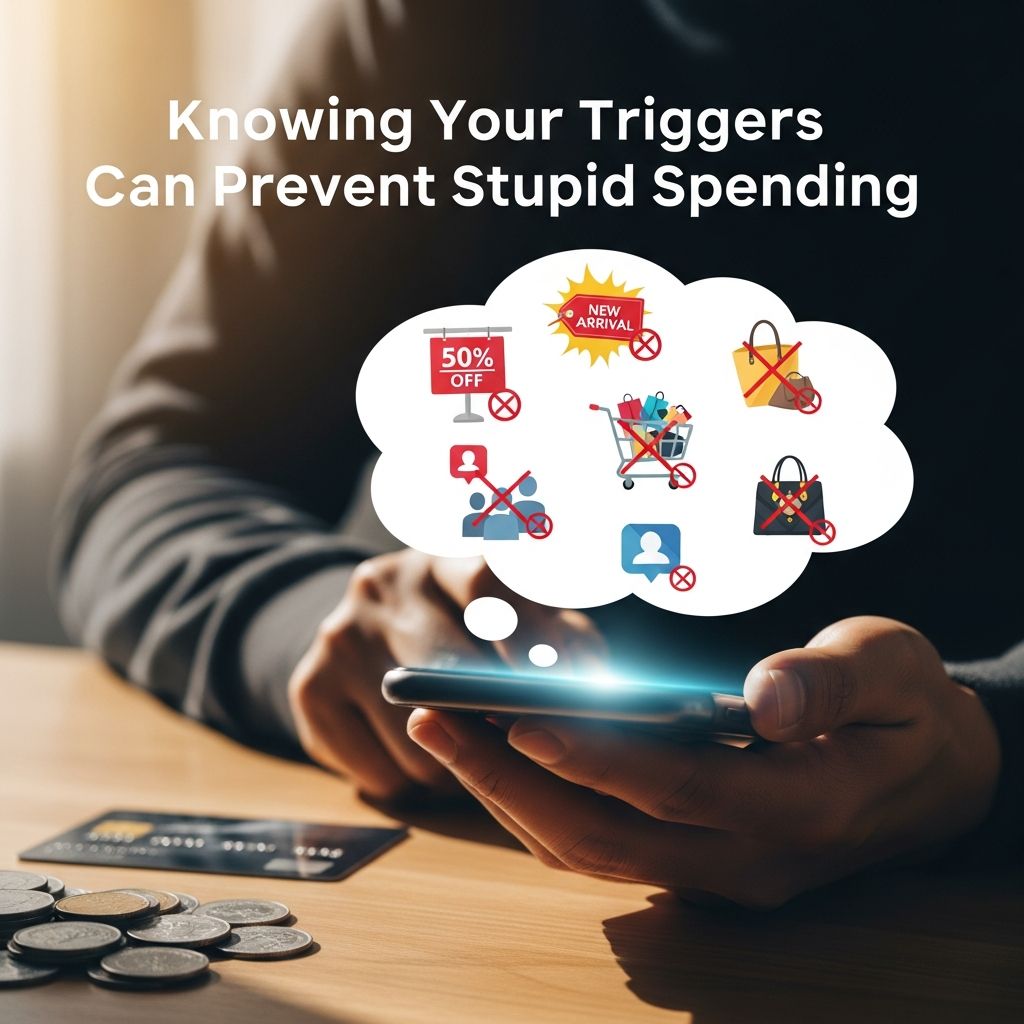
Spending money impulsively often feels like an unavoidable habit, but it’s frequently driven by specific triggers that we can identify and neutralize. These triggers—ranging from emotional states and environmental cues to routine behaviors—prompt us to make poor financial decisions without a second thought. By understanding what sets off your “stupid spending,” you gain the power to interrupt the cycle, make mindful choices, and redirect your money toward meaningful goals like savings, debt reduction, or investments.
This article explores the psychology behind spending triggers, drawing from behavioral research and practical personal finance strategies. You’ll learn how to spot common triggers in your life, implement disruption techniques, and build sustainable habits that promote financial discipline. Whether it’s the allure of one-click buying online or the temptation of happy hour with friends, mastering your triggers is key to financial freedom.
Understanding Spending Triggers
Spending triggers are subconscious cues that activate habitual buying behaviors, often bypassing rational decision-making. According to behavioral science, habits form through a loop of cue, routine, and reward, as popularized in works like Charles Duhigg’s The Power of Habit. In spending contexts, the cue might be boredom, the routine is swiping your card, and the reward is a fleeting dopamine hit from acquisition.
Common categories include:
- Emotional triggers: Stress, boredom, or excitement can lead to retail therapy. For instance, feeling flush after a paycheck might prompt unnecessary takeout orders.
- Environmental triggers: Specific locations like malls, bars, or websites primed for browsing activate autopilot spending.
- Digital triggers: One-click purchases, targeted ads, and saved payment info make spending frictionless and mindless.
- Social triggers: Peer pressure during social outings or seeing others’ purchases on social media.
Recognizing these is the first step. Track your spending for a week, noting not just amounts but contexts: time, mood, location. This awareness reveals patterns, such as weekend coffee runs adding up to $100 monthly.
Trigger 1: Emotional Highs and Lows
Emotions are powerful spending catalysts. Payday euphoria can lead to splurges, while stress drives comfort buys. Research shows habitual behaviors persist even in suboptimal conditions, like eating stale popcorn in a theater versus a neutral setting—mirroring how we buy junk online when bored.
To counter:
- Implement a cooling-off period: Wait 24-48 hours before non-essential purchases. This breaks the emotional impulse.
- Journal your mood: Before buying, note your emotion. Ask: “Will this solve the root issue?” Often, a walk or call to a friend suffices.
- Pre-allocate funds: On payday, auto-transfer to savings and bills, leaving only budgeted cash in checking. This prevents the “flush” feeling.
One study from the Federal Reserve highlights how emotional spending contributes to 40% of credit card debt, emphasizing proactive emotional management.[internal-ref]
Trigger 2: Frictionless Digital Spending
Modern tech enables one-click buys, turning wants into instant realities. Saving credit card details on Amazon or apps removes barriers, fostering mindless purchases like impulse e-books or gadgets.
Strategies to add friction:
- Delete saved payment info: Force manual entry each time, creating pause for reflection.
- Use gift cards: Load platforms with prepaid amounts. Once depleted, spending stops—no overdraft risk.
- Set online budgets: Allocate monthly “fun money” for digital spends, tracking via apps like Mint.
| Platform | Quick Fix | Expected Savings |
|---|---|---|
| Amazon | Remove 1-Click, use gift cards | 30-50% reduction in impulses |
| App Stores | Require password for purchases | Avoids $0.99 micro-spends |
| Food Delivery | Delete app, use cash only | Cuts takeout by 40% |
Users report 25-40% drops in online spending after these tweaks.
Trigger 3: Environmental and Social Cues
Certain places scream “spend!” Happy hours, malls, or even your couch with Netflix prompts Pay-Per-View. Habits thrive in familiar contexts; disrupt by changing scenery.
Effective disruptions:
- Change the venue: Skip your usual bar; try a park picnic instead. Novelty stalls autopilot.
- Non-financial limits: Cap outings at once weekly, focusing on free activities like hikes.
- Accountability partners: Share budgets with friends; group walks over drinks.
Psychology Today notes that altering context reduces habitual actions by up to 50%.
Trigger 4: The Myth of Urgency and Convenience
“Limited time offer!” or next-day delivery creates false urgency. Convenience is double-edged—we overbuy for free shipping or immediate gratification.
Combat with:
- Wish lists: Add items, review weekly. Many urges fade.
- Batch purchases: Shop monthly with lists, hitting free shipping thresholds legitimately.
- Cash-only rule: Leave cards home for non-essentials; physical money’s tangibility curbs excess.
Tracking Every Penny: The Ultimate Disruptor
Manual logging transforms spending awareness. Jotting $4.78 for a cupcake forces reflection: need or want? Tools like spreadsheets or apps work, but pen-and-paper maximizes mindfulness.
- Log immediately: amount, item, category, trigger.
- Review weekly: Spot leaks like $50/monthly lattes.
- Adjust budget: Allocate realistically or cut.
This habit alone can reveal $200+ monthly savings.
Building Long-Term Habits
Triggers defeated require replacement habits. Automate savings, set SMART goals (Specific, Measurable, Achievable, Relevant, Time-bound), and celebrate non-spending wins like a debt-free month.
Replace boredom shopping with free pursuits: reading library books, exercising, or skill-building apps. Over time, new cues form—like seeing your growing savings balance triggering pride.
Frequently Asked Questions (FAQs)
Q: What if I can’t identify my spending triggers?
A: Start a 7-day spending journal noting every purchase’s context, mood, and location. Patterns emerge quickly.
Q: How do I handle social pressure to spend?
A: Suggest low-cost alternatives like potlucks or free events. Be upfront: “I’m budgeting this year.”
Q: Is tracking every penny sustainable long-term?
A: Use it as a 30-day bootcamp, then switch to weekly reviews or apps for maintenance.
Q: What about big purchases—do triggers apply?
A: Yes; apply 72-hour rules and cost-per-use analysis to avoid regret.
Q: Can apps fully replace manual tracking?
A: Apps help, but manual entry builds deeper awareness—combine both.
Conclusion: Take Control Today
Knowing your triggers empowers you to prevent stupid spending, turning reactive habits into proactive wealth-building. Start small: delete one saved card, log today’s spends, change one routine. Financial freedom awaits those who master their cues.
References
- 5 Ways to Stop Your Mindless Spending — Wise Bread. 2013-05-15. https://www.wisebread.com/5-ways-to-stop-your-mindless-spending
- This Is How You Stop Online Impulse Spending — Wise Bread. 2020-08-12. https://www.wisebread.com/this-is-how-you-stop-online-impulse-spending
- 50+ Personal Budgeting Tips To Keep you on Track — Debt.com. 2024-03-20. https://www.debt.com/budgeting/tips/
- Consumer Expenditure Survey — U.S. Bureau of Labor Statistics (.gov). 2024-09-10. https://www.bls.gov/cex/
- The Power of Habit: Why We Do What We Do in Life and Business — Charles Duhigg, Random House. 2012-04-24. https://us.macmillan.com/books/9780812981605
- Behavioral Insights for Financial Decision-Making — Federal Reserve Board (.gov). 2023-11-15. https://www.federalreserve.gov/publications/2023-november-behavioral-insights-financial-decision-making.htm
Similar Articles








Read full bio of Sneha Tete