Kit Homes: A Modern Path to Affordable Homeownership
Explore how prefabricated kit homes offer cost-effective alternatives to traditional construction
The housing market presents significant challenges for many prospective homeowners, particularly regarding affordability and construction timelines. Kit homes have emerged as a compelling alternative to traditional site-built construction, offering reduced costs and accelerated construction schedules. These prefabricated housing solutions deliver pre-cut materials and components directly to your property, enabling either DIY construction or professional assembly. Understanding the nuances of kit homes—including their advantages, limitations, and financial implications—can help potential buyers determine whether this approach aligns with their homeownership goals and circumstances.
Understanding Kit Homes and How They Function
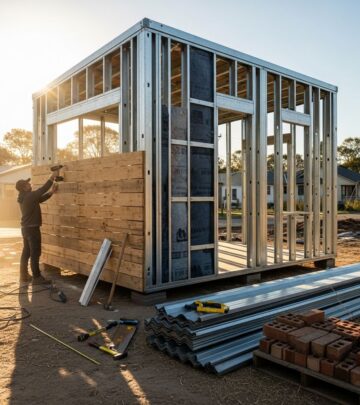
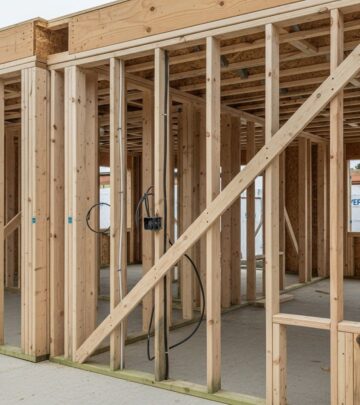
Kit homes represent a category of prefabricated housing where manufacturers deliver all necessary components in organized packages to the building site. Unlike fully constructed modular homes that arrive substantially completed, kit homes require assembly of individual pieces. The manufacturer provides pre-cut lumber, framing materials, roofing components, and detailed instructional manuals that guide the assembly process. Each piece typically arrives numbered and labeled, facilitating systematic construction.
The fundamental concept behind kit homes centers on manufacturing efficiency and material optimization. By producing components in controlled factory settings, manufacturers minimize waste and ensure consistent quality. Homeowners or hired contractors then assemble these components according to provided specifications. This approach democratizes home construction by reducing the expertise required and simplifying what would otherwise be complex building processes.
Kit homes vary considerably in scope and completeness. Some manufacturers include only the structural framework and roofing materials, requiring separate acquisition of foundation systems, electrical components, plumbing fixtures, and interior finishes. Other suppliers provide more comprehensive packages encompassing foundations and interior design elements. This variation underscores the importance of thoroughly evaluating specific product offerings before committing to purchase.
Financial Advantages and Cost Considerations
The primary attraction of kit homes centers on their cost-effectiveness compared to traditional construction methods. Kit homes typically range from $10 to $20 per square foot for the structural package alone, representing substantially lower expenses than conventional building approaches. This pricing advantage derives from several factors: manufacturers eliminate middleman costs, optimize material purchasing through volume discounts, and reduce labor requirements by prefabricating components.
However, prospective buyers should recognize that kit costs represent only a portion of total construction expenses. Industry estimates suggest that kit materials constitute approximately 25 to 35 percent of overall project costs. Additional expenses include land acquisition, foundation construction, utility connections, interior finishes, professional labor, permits, and inspections. Homeowners planning to undertake personal construction labor can realize significant savings, but those hiring professional builders will incur considerable expenses beyond the kit purchase price.
Geographic location substantially influences the financial attractiveness of kit homes. In metropolitan areas where traditional construction commands premium prices, kit homes typically offer more substantial savings compared to hiring local contractors. Conversely, in rural or economically depressed regions where traditional building costs remain low, kit homes may not provide meaningful financial advantages. Additionally, delivery limitations affect pricing: most manufacturers impose delivery restrictions of approximately 750 miles, with distant locations incurring substantial transportation surcharges.
Timeline Advantages and Construction Speed
Kit home construction typically proceeds more rapidly than traditional site-built projects. Manufacturers can organize complete kits and arrange delivery within several weeks, compared to months-long timelines for conventional building. Once materials arrive, assembly progresses efficiently due to pre-cut components and clear instructional guidance. Professional framing crews experienced with kit assembly report substantially faster completion times than site-constructed homes.
This accelerated timeline provides tangible benefits beyond convenience. Reduced construction duration translates to lower carrying costs, including mortgage interest on construction loans and temporary housing expenses. Earlier occupancy enables homeowners to establish permanent residency and begin building equity sooner. For investors, faster completion cycles improve project economics and accelerate return on investment timelines.
Time investment considerations differ significantly based on construction approach. DIY builders undertaking substantial personal involvement must commit considerable hours to assembling structural components and coordinating subcontractors for specialized systems. Individuals with full-time employment and family responsibilities frequently discover that realistic time commitments exceed initial expectations, potentially extending project timelines. Professional builders complete kits more efficiently but charge labor premiums that offset some time-based advantages.
Customization and Design Flexibility
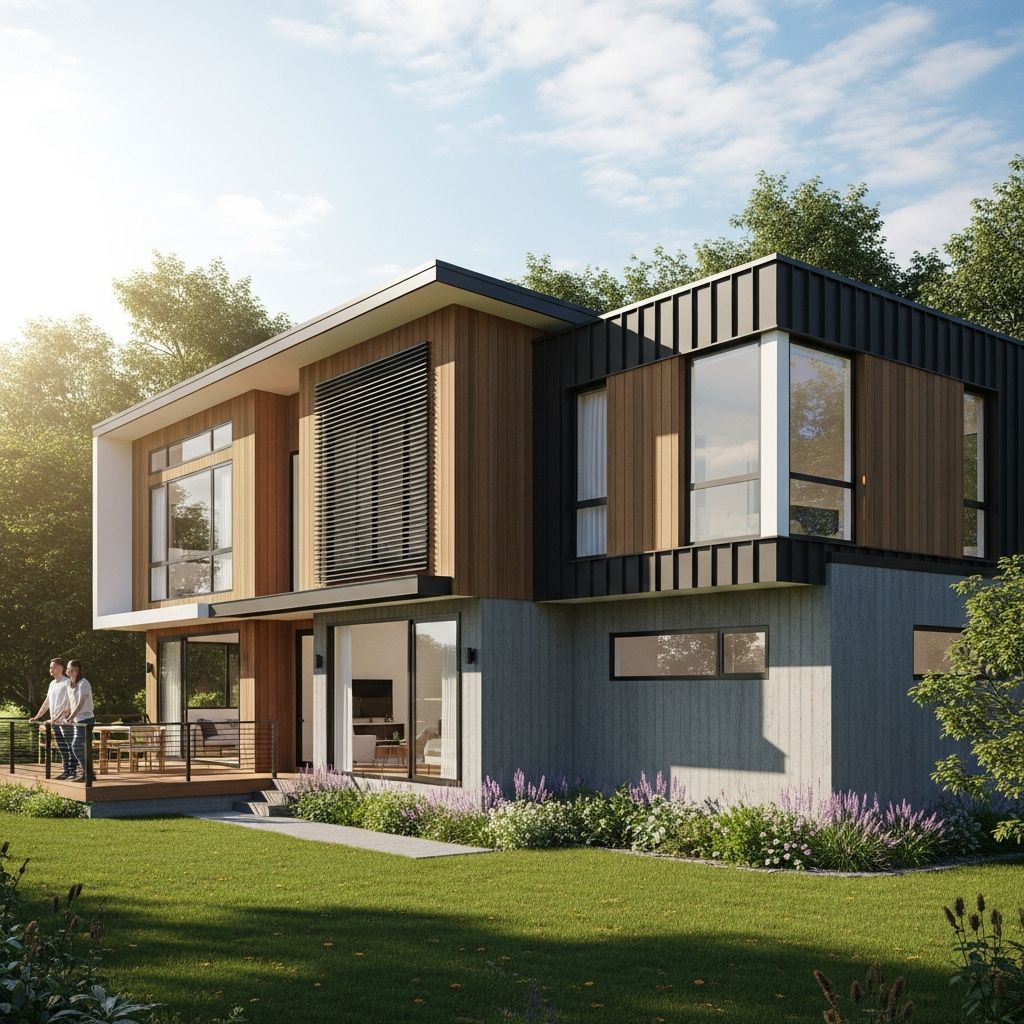
Kit home manufacturers increasingly offer design options enabling personalization within prefabricated parameters. Homeowners can select from various floor plans, material finishes, and optional features to tailor their homes to personal preferences. This flexibility allows meaningful customization while preserving cost advantages inherent to prefabrication. Interior design elements, exterior cladding choices, and structural configurations often permit modification within predetermined boundaries.
The customization limitations of kit homes warrant realistic assessment. Unlike traditional construction enabling unlimited design possibilities, kit homes operate within manufacturer-established parameters. Highly specific visions requiring significant deviation from standard designs may exceed available options. Architects and builders specializing in kit homes can maximize customization opportunities, but fundamental structural modifications typically increase costs and compromise the economic advantages driving kit home popularity.
Future expansion capabilities represent an important customization consideration. Many kit home designs accommodate modular additions, enabling property enlargement as family needs evolve or financial capacity improves. This adaptability provides long-term value by extending the lifespan and utility of the initial investment.
Quality, Durability, and Structural Integrity
Misconceptions regarding kit home quality persist despite evidence supporting their durability and longevity. Kit homes constructed properly function equivalently to traditional site-built homes, with expected lifespans exceeding 50 years. Manufacturers employ stringent quality control standards in factory settings, often exceeding on-site construction oversight. Advanced manufacturing technology ensures consistent component quality and precise dimensional accuracy.
Quality assurance mechanisms in kit home manufacturing typically exceed those in traditional construction. Factory conditions enable controlled assembly, careful material inspection, and standardized testing procedures. Many manufacturers provide warranties covering structural integrity and material defects, offering assurance regarding product quality. These guarantees provide consumer protection comparable to traditional home construction.
The industry lacks standardized regulations comparable to traditional construction oversight, creating variability in quality and completeness across manufacturers. This regulatory gap means comprehensive research before purchase becomes essential. Evaluating manufacturer credentials, reviewing customer testimonials, and understanding warranty provisions help ensure satisfactory quality outcomes.
Energy Efficiency and Environmental Considerations
Contemporary kit home designs increasingly incorporate energy-efficient features addressing environmental concerns and reducing operational costs. Manufacturers utilize advanced insulation materials, high-performance window systems, and passive solar design principles to minimize energy consumption. Controlled factory construction enables consistent application of energy-efficiency measures, often achieving superior results compared to variable site-constructed quality.
The environmental impact of kit homes merits consideration beyond individual homeowner benefits. Factory-based prefabrication reduces material waste through optimized cutting and systematic component production. Standardized designs enable efficient material sourcing and waste management. However, transportation impacts from shipping components across significant distances partially offset manufacturing efficiencies, particularly for distant locations.
Flexibility in Construction Approaches
Kit homes accommodate diverse construction participation models, enabling homeowners to select involvement levels matching their circumstances and capabilities. Some individuals undertake comprehensive DIY assembly, supplying all labor and maintaining complete project control. Others contract professional builders to manage construction while maintaining ownership and investment benefits. Intermediate approaches involve hybrid models where homeowners complete certain tasks while subcontracting specialized work like electrical and plumbing systems.
This flexibility distinguishes kit homes from other housing alternatives, enabling customization of not only the final product but also the construction process itself. First-time homebuyers can engage personally with their property’s creation, while those preferring professional management can delegate assembly responsibilities. This adaptability enhances kit homes’ appeal across diverse demographic groups and circumstances.
Navigating Geographic and Regulatory Constraints
Delivery limitations significantly impact kit home viability and total cost considerations. Most manufacturers restrict delivery to approximately 750 miles from production facilities, with distant locations incurring expensive transportation surcharges. Prospective buyers in remote regions should evaluate delivery costs carefully, as excessive freight charges may eliminate financial advantages. Researching multiple manufacturers enables identification of producers with proximity to intended building sites.
Regulatory environments vary substantially across jurisdictions, affecting kit home feasibility and construction timelines. Some municipalities readily permit kit home construction following standard building inspections, while others require additional documentation or resist unconventional construction methods. Local building departments should be consulted early in the planning process to understand specific requirements, permitting procedures, and inspector familiarity with prefabricated construction methodologies.
Understanding Industry Standardization Gaps
The kit home industry lacks comprehensive standardization governing what manufacturers must include in their products. One supplier’s complete kit may encompass foundation systems and interior design specifications, while another provides only structural framing. This variability necessitates detailed product evaluation before purchase commitment. Comprehensive research comparing manufacturer offerings, reading customer experiences, and understanding exactly what components are included prevents costly surprises during construction.
Making the Decision: Is a Kit Home Right for You?
Evaluating kit home suitability requires honest assessment of personal circumstances, financial capacity, time availability, and homeownership priorities. Ideal candidates typically value cost efficiency, accept design parameters, and either possess construction skills or budget for professional assembly. Geographic proximity to manufacturers and access to skilled local contractors enhance feasibility.
Kit homes prove less suitable for individuals requiring unlimited design flexibility, located in distant regions with expensive delivery costs, or unable to manage construction oversight. Similarly, those preferring minimal personal involvement in construction and residing where traditional building costs remain competitive may find conventional approaches more practical.
Frequently Asked Questions
What exactly arrives with a kit home package?
Kit completeness varies significantly by manufacturer. Some provide comprehensive packages including foundations and interior systems, while others deliver only structural framing and roofing materials. Always request detailed specifications before purchase to understand exactly what components are included.
Can I customize a kit home design?
Most manufacturers offer design variations including different floor plans and material finishes. However, customization operates within predetermined parameters. Significant design modifications may compromise cost advantages and require additional engineering.
How long does kit home construction typically require?
Assembly timelines vary based on home size, builder experience, and involvement level. Professional builders may complete average homes within weeks to months, while DIY approaches typically extend timelines considerably.
Are kit homes as durable as traditionally built homes?
Properly constructed kit homes demonstrate equivalent durability and longevity to traditional construction, typically lasting 50 years or more. Factory quality control often ensures consistent quality superior to variable site-construction conditions.
What hidden costs should I anticipate?
Beyond kit purchase price, plan for foundation construction, utility connections, permits, professional inspections, interior finishes, and skilled labor. Kit materials typically represent only 25-35% of total project costs.
How do I find kit home manufacturers?
Research online directories, contact local building departments for referrals, and evaluate manufacturers within reasonable delivery distances. Request references from previous customers and verify warranty offerings.
Conclusion: Evaluating Your Homeownership Path
Kit homes represent a legitimate homebuilding alternative deserving serious consideration by cost-conscious prospective buyers. Their affordability, construction speed, and quality potential address genuine market needs. However, realistic assessment of total costs, geographic constraints, customization limitations, and personal involvement capacity ensures informed decision-making. For those whose circumstances align favorably with kit home characteristics, this approach can enable homeownership that might otherwise remain financially unattainable. Thorough research, careful manufacturer evaluation, and honest self-assessment regarding involvement preferences position potential buyers to make decisions that authentically serve their homeownership objectives.
References
- Kit homes: What you should know before buying — Rocket Mortgage. https://www.rocketmortgage.com/learn/kit-homes
- Building Your Own Kit Home vs Using a Builder: Weighing the Pros and Cons — Select Kit Homes Australia. https://www.selectkithomes.com.au/building-your-own-kit-home-vs-using-a-builder-weighing-the-pros-and-cons
- Home Kits: Pros and Cons — Rise. https://www.buildwithrise.com/stories/home-kits-pros-cons
- The Pros and Cons of Prefab Homes — SmartAsset. https://smartasset.com/mortgage/the-pros-and-cons-of-prefab-homes
- Prefab House – Definition, Advantages and Disadvantages, Key Features — Plan 7 Architect. https://plan7architect.com/prefab-house-definition-advantages-and-disadvantages-key-features-ai1/
Similar Articles








Read full bio of Sneha Tete