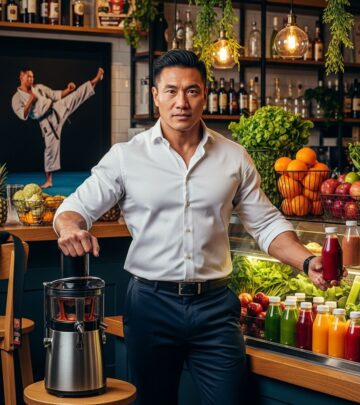
From Skid Row to Millions: Heroin Addict Turned Juice Empire CEO
How a former homeless heroin addict built a $6 million juice empire and inspired thousands.
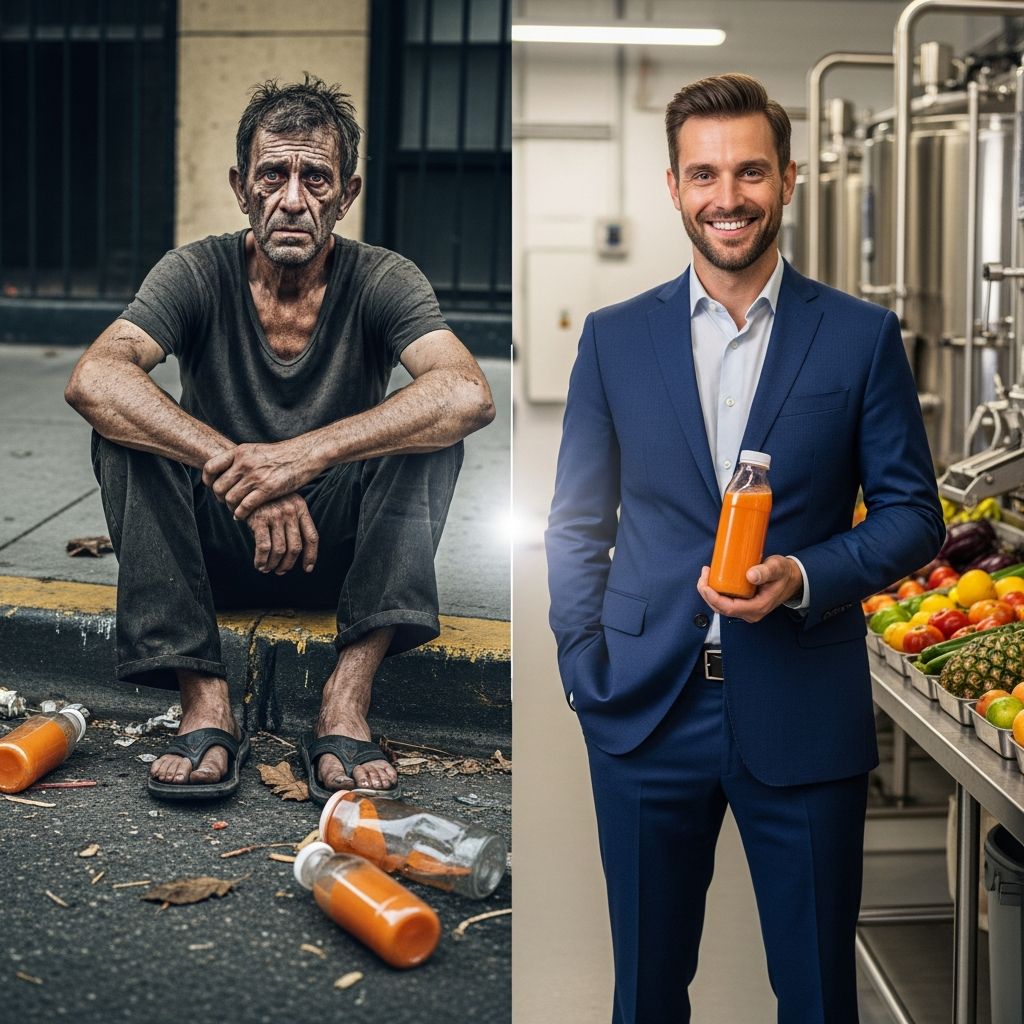
This Former Skid Row Heroin Addict Now Makes Millions Selling Juice
Two decades ago, Khalil Rafati’s life looked drastically different from the successful entrepreneur he is today. Sleeping on the streets of Los Angeles, strung out on heroin and cocaine, Rafati seemed destined for a fate that statistics suggest most addicts never escape. Yet today, his company, Sunlife Organics, generates $6 million annually across six physical locations and an expanding online presence, making Rafati himself a millionaire and one of the most inspiring success stories in the wellness industry.
According to a BBC profile, Rafati’s transformation represents not just personal redemption but a complete reimagining of what’s possible when determination meets opportunity. “I don’t consider myself super intelligent,” Rafati told the network in an candid interview. “But I have a hunger for life, and put all of myself into something when I decide to do it.” This philosophy, born from the depths of his addiction and refined through recovery, has become the cornerstone of his business philosophy and the driving force behind Sunlife Organics’ explosive growth.
Rock Bottom and the Road to Recovery
Rafati’s addiction journey was marked by repeated cycles of arrest and overdose. “I was arrested more times than I can remember,” Rafati revealed. “I was completely messed up… I was always in so much pain that I couldn’t sleep.” This constant state of suffering characterized his years on Skid Row, where hopelessness and desperation became his daily companions.
The turning point came after his ninth overdose—a brush with death that finally forced Rafati to confront the reality of his situation. Rather than continuing down the path of destruction, he made the courageous decision to check himself into rehab. This decision marked the beginning of his remarkable transformation and set the stage for everything that would follow.
Unlike many who struggle with relapse, Rafati’s rehabilitation proved successful. The structured environment and professional support allowed him to regain stability and begin rebuilding his life from the ground up. With renewed focus and clarity, he was able to start holding jobs again—a seemingly simple achievement that represented monumental progress for someone who had lost everything to addiction.
From Recovery to Enterprise: The Birth of a Business Idea
Following his successful rehabilitation, Rafati didn’t simply return to conventional employment. Instead, he channeled his experience and passion for wellness into opening his own rehab center. This facility catered to affluent clients paying $10,000 per month for comprehensive treatment and care. While this venture demonstrated his entrepreneurial instincts, it was something far simpler that would ultimately launch his trajectory to significant wealth.
Working in the rehab center, Rafati began experimenting with creating fresh juices designed specifically to support clients through the detoxification process. These weren’t ordinary juices—they were carefully crafted blends intended to aid the body’s natural healing mechanisms during recovery. The reputation of these detox juices spread quickly among clients and staff, creating organic buzz that extended beyond the walls of the facility.
Recognizing the growing demand for his products, Rafati identified a genuine market opportunity. If people in recovery were clamoring for his juices, perhaps the broader wellness-conscious population would embrace them as well. This insight led to one of the most pivotal decisions of his life: opening the first Sunlife Organics location.
Launching Sunlife Organics in 2011
In 2011, Rafati partnered with business associate Hayley Gorcey to open the first Sunlife Organics location in Malibu, California. The timing was strategic—the wellness and organic food movement was gaining significant momentum, and Malibu’s affluent, health-conscious population provided an ideal customer base. However, Sunlife Organics was designed to be far more than just another juice bar.
Rafati envisioned Sunlife Organics as a sanctuary for human connection and community building. “We wanted a place where people could go for organic juices, organic smoothies, organic salads, organic everything really. But beyond that, we wanted a place where we could come together and re-connect as a community, away from our iPads, smartphones, and ‘social networks’; a place to elevate the human spirit and help us get back to basics.”
The company’s mission crystallized around three core principles: to love, heal, and inspire. These weren’t merely marketing taglines but genuine values that Rafati embedded into every aspect of the business. The company prioritized sourcing the highest quality organic ingredients available, employed young people from the local community, and created what Rafati describes as “a fun, safe and sober environment for them to learn, grow and thrive.”
Explosive Growth and Financial Success
The response to Sunlife Organics exceeded even Rafati’s optimistic expectations. In its first year of operation, the company achieved an astounding milestone: sales topped $1 million. This wasn’t a gradual climb to profitability but an immediate and resounding validation of Rafati’s vision and execution.
Building on this early success, Sunlife Organics expanded rapidly. From the original Malibu location, the brand grew to encompass six physical retail locations while simultaneously developing a robust online presence. The company’s revenue grew from that initial $1 million to an impressive $6 million annually within a relatively short timeframe.
Beyond juice sales, Sunlife Organics diversified its product offerings to include a popular clothing line, supplements, teas, protein powders, granola, and hydration products. This diversification not only increased revenue streams but also allowed the brand to create a complete lifestyle ecosystem around wellness and health consciousness.
According to recent business data, Sunlife Organics now operates with approximately 200 employees and has expanded to over 13 locations total, with revenue estimates reaching $52.6 million as the company continues its upward trajectory.
The Symbolism Behind the Brand: The Pink Lotus
One of the most profound aspects of Sunlife Organics is the deliberate symbolism woven throughout its branding. The company’s logo features a pink lotus flower, a symbol Rafati chose for deeply personal reasons. “It was tough, but by the grace of God I am alive and happy now. I am grateful to be where I am and would not be in the position I am in had I not gone through all that pain. Strange paradox, but my reality nonetheless. That’s why I chose the pink lotus as the symbol for SunLife Organics— from the mud and darkness grows a beautiful flower.”
This metaphor perfectly encapsulates Rafati’s journey. The lotus grows in muddy, murky waters yet produces a pristine, beautiful bloom—much like how Rafati emerged from the darkness of addiction to create something pure and life-affirming. The name “Sunlife” itself reinforces this symbolism, representing life lived in the light rather than in the shadows of addiction and despair.
Building a Culture of Purpose and Community
What distinguishes Sunlife Organics from competitors isn’t merely superior products but the culture Rafati has intentionally cultivated. From the beginning, hiring practices prioritized young people from local communities who might otherwise lack opportunities. By providing “a fun, safe and sober environment” for employees to develop professionally, Rafati essentially replicated on a larger scale what he experienced in recovery: structured support, community connection, and genuine care.
The company’s commitment to quality extends beyond ingredients to encompass every aspect of the customer experience. Every interaction is viewed as “a valued opportunity to connect and make a positive impact on someone’s life, however big or small.” This philosophy transforms a simple transaction—buying a smoothie—into a moment of genuine human connection and wellness investment.
Beyond Business: The Author and Speaker
Recognizing that his story held transformative power for others struggling with addiction, Rafati authored a memoir titled “I Forgot To Die,” published in 2015. This autobiography provides deeper insight into his personal journey, the specific challenges he overcame, and the philosophical framework that guides his approach to business and life. The book has become an important resource for anyone seeking inspiration about recovery and redemption.
In addition to his written work, Rafati has become a sought-after speaker, sharing his story with audiences around the world. His presentations typically focus on themes of personal transformation, the power of determination, and how individuals can create meaningful change in their lives and communities. These speaking engagements have expanded his influence far beyond the juice bar business.
Key Milestones and Achievements
The trajectory of Sunlife Organics can be summarized through several key milestones:
2011: First Sunlife Organics location opens in Malibu, California with business partner Hayley Gorcey. First-year sales reach $1 million, far exceeding expectations and validating the business model.
2015: Khalil Rafati publishes his autobiography “I Forgot To Die,” sharing his complete story with a broader audience and establishing himself as a thought leader on recovery and personal transformation.
2016-2025: Expansion to multiple physical locations, development of comprehensive product line including supplements, clothing, teas, and wellness products. Revenue grows to $6 million annually across direct retail and online channels, with employee base expanding to approximately 200 people.
Present Day: Sunlife Organics operates 13+ locations, generates $52.6 million in revenue, and has become a recognized brand in the organic wellness space. Rafati continues speaking engagements and business development while maintaining the core mission of loving, healing, and inspiring.
Frequently Asked Questions
Q: How did Khalil Rafati overcome his heroin addiction?
A: After his ninth overdose, Rafati checked himself into a rehabilitation facility. The structured environment and professional support proved transformative, allowing him to regain stability and rebuild his life from the foundation of sobriety and purpose.
Q: What was Rafati’s first business venture after recovery?
A: Following rehabilitation, Rafati opened his own rehab center that charged clients $10,000 per month for comprehensive treatment. It was while working at this facility that he began creating detox juices that would eventually evolve into the Sunlife Organics concept.
Q: How much revenue does Sunlife Organics generate?
A: Sunlife Organics generates $6 million annually from its six primary retail locations plus online sales. Recent data suggests total revenue has grown to approximately $52.6 million as the company continues expanding its product lines and locations.
Q: What is the significance of the pink lotus logo?
A: The pink lotus symbolizes Rafati’s personal journey from darkness to light. Just as a lotus grows from mud to produce a beautiful flower, Rafati emerged from the darkness of addiction to create something pure and life-affirming. The symbol represents his philosophy of transformation through adversity.
Q: How many employees does Sunlife Organics currently employ?
A: The company employs approximately 200 people across its operations, with a deliberate commitment to hiring young people from local communities and providing them with “a fun, safe and sober environment” to learn and grow professionally.
Q: Has Khalil Rafati written about his experiences?
A: Yes, Rafati published his autobiography “I Forgot To Die” in 2015, which provides an in-depth account of his addiction, recovery, and the journey that led to founding Sunlife Organics. He also regularly speaks publicly about his transformation and entrepreneurial philosophy.
References
- Our Story — SunLife Organics Official Website. Accessed 2025. https://sunlifeorganics.com/pages/our-story
- This Former Skid Row Heroin Addict Now Makes Millions Selling Juice — Money Magazine/BBC Profile. 2025. https://money.com/sunlife-organics-ceo-khalil-rafati-heroin-addict/
- Sunlife Organics Portfolio — Left Right Labs. 2025. https://leftrightlabs.com/portfolio/sunlife-organics/
- SunLife Organics Company Overview — ZoomInfo Business Database. 2025. https://www.zoominfo.com/c/sunlife-organics/263667853
Similar Articles








Read full bio of medha deb