Home Viewings Checklist: Essential Questions And Expert Tips
Arm yourself with essential questions and checklists to spot issues and find your ideal property during home viewings.
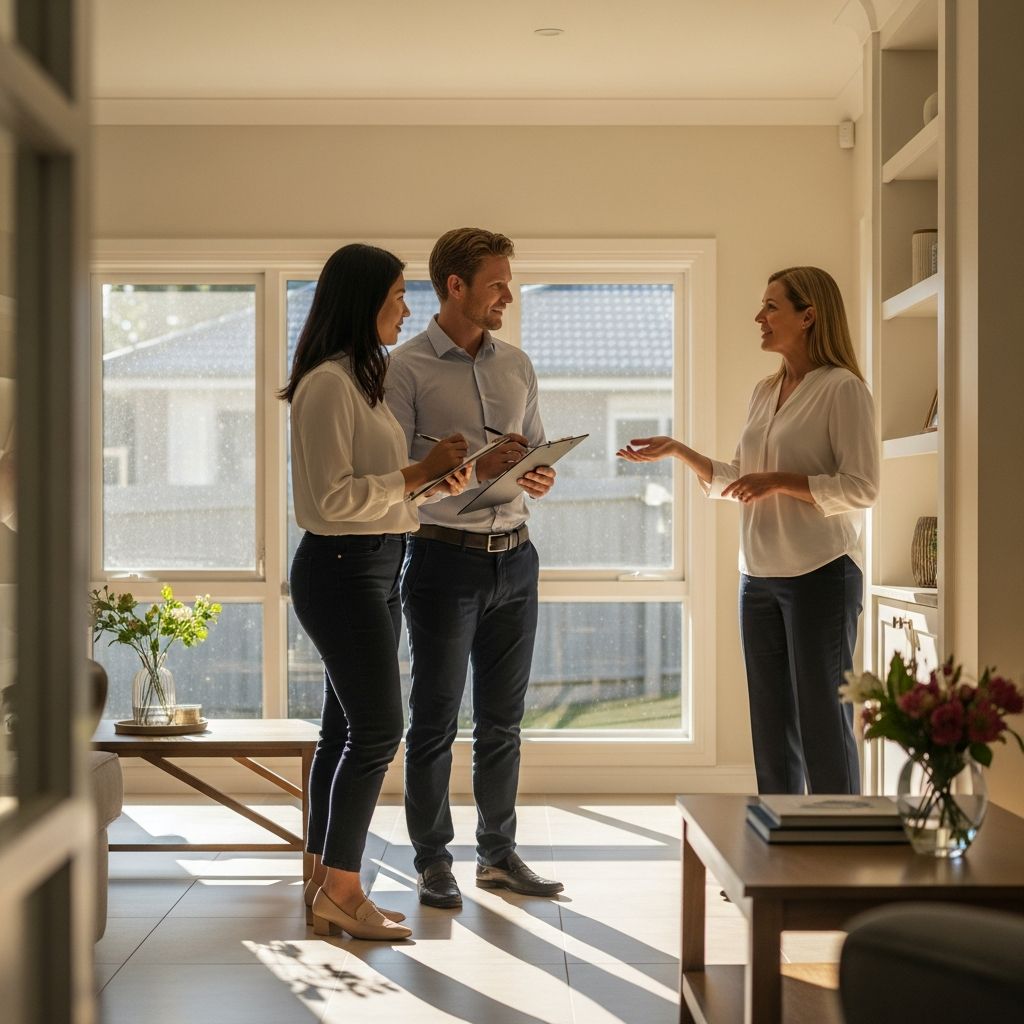
Viewing potential homes requires a systematic approach to uncover hidden issues and confirm suitability. This guide provides original checklists, targeted questions, and practical advice drawn from expert real estate insights to help buyers make confident decisions.
Preparing Before the Viewing
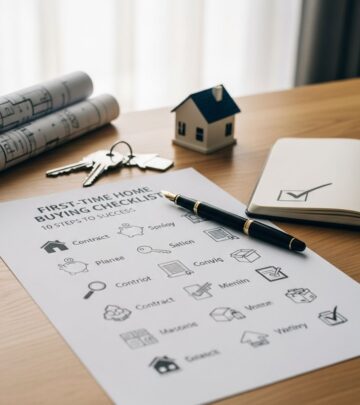
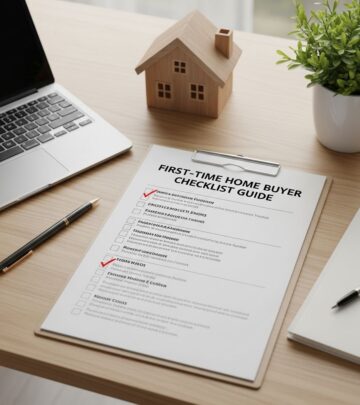
Success starts with preparation. Define your priorities, such as budget limits, must-have features like a home office or large yard, and non-negotiables like proximity to schools. Research the neighborhood online for crime rates, school ratings, and amenities. Set a realistic budget using online mortgage calculators to avoid falling for overpriced listings. Print or save a digital checklist to note observations during the tour.
- Verify viewing times and agent details in advance.
- Bring a tape measure for furniture fit checks.
- Charge your phone for photos and notes.
- Visit the area at different times to gauge traffic and noise.
Evaluating the Neighborhood and Location
The surroundings impact daily life more than interior decor. Assess walkability to shops, parks, and transit. Note traffic patterns, street noise, and neighbor demographics. Check for future developments that could affect value or livability.
| Aspect | Questions to Ask | Red Flags |
|---|---|---|
| Proximity to Amenities | Are schools, stores, and hospitals nearby? How is public transport? | Long commutes or lack of services. |
| Noise Levels | What is traffic like during peak hours? Any nearby construction? | Constant noise from roads or airports. |
| Safety | What are local crime stats? Street lighting adequate? | Poor upkeep or visible vandalism. |
Drive through at various times—morning rush, evening, and weekends—to get a true sense.
Inspecting the Exterior Thoroughly
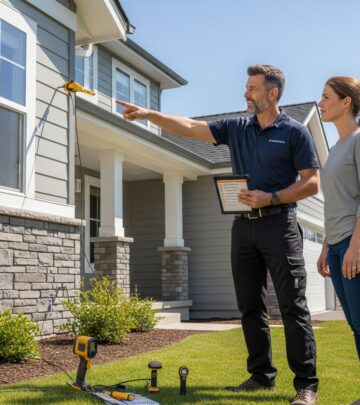
The outside reveals long-term maintenance history. Circle the property, examining foundation, siding, and roof. Look for cracks wider than a pencil eraser, which signal settling issues. Check gutters for rust or misalignment that could cause water damage.
- Roof: Age? Missing shingles? Sagging sections?
- Foundation: Horizontal cracks or heaving?
- Siding/Bricks: Rot, peeling paint, or efflorescence (white powdery deposits)?
- Drainage: Water pooling near the base? Downspouts directing away?
Ask about recent repairs and request documentation. South-facing yards get more sun, ideal for gardens, while north-facing stay shadier.
Assessing Interior Layout and Flow
Inside, focus on functionality. Does the floor plan match your lifestyle? Test room sizes by visualizing furniture placement. Check for natural light via window size and orientation—south windows maximize brightness.
Inspect floors for warping, scratches, or unevenness indicating subfloor problems. Walls and ceilings should be crack-free; hairline cracks are common, but large ones aren’t. Smell for mustiness suggesting dampness.
- Bedrooms: Enough for family? Closet space sufficient?
- Bathrooms: Number and layout convenient?
- Kitchen: Workflow efficient? Counter space adequate?
Scrutinizing Key Systems and Utilities
Systems like HVAC, plumbing, and electrical often need updates, costing thousands. Test faucets for pressure, flush toilets, and run showers. Note boiler age—over 15 years may need replacement soon.
| System | Checks | Questions |
|---|---|---|
| Heating/Cooling | Thermostat response? Air filter condition? | Last service? Fuel type (gas/oil)? Energy rating? |
| Electrical | Outlet count? GFCI in wet areas? Fuse box modern? | Recent upgrades? Knob-and-tube wiring? |
| Plumbing | No drips? Hot water quick? | Water heater age? Sewer vs. septic? |
Request utility bills for average costs. Double-glazed windows reduce energy loss; check for seals and easy operation.
Examining Windows, Doors, and Insulation
Windows affect energy bills and security. Open and close each to ensure smooth action—sticking suggests frame issues. Look for condensation between panes indicating failed seals. Doors should lock securely with multiple keys provided.
Insulation matters amid rising costs. Inquire about loft, wall cavity, and floor insulation. Newer homes often have better EPC or BER ratings; aim for C or higher for efficiency.
- Mold around frames? Drafts when closed?
- Screen condition for bugs?
- Garage door operation and insulation?
Gauging Kitchen and Bathroom Conditions
These high-use areas are pricey to renovate. Cabinets should open smoothly without sagging. Appliances: Do they convey? Test ovens, dishwashers. Bathrooms need strong ventilation fans to prevent mold.
Tile grout cracking or loose? Countertops stained beyond cleaning?
Reviewing Outdoor Spaces and Parking
Yards offer lifestyle perks but maintenance burdens. Measure for usability—privacy fences? Tree roots damaging foundations? HOA rules dictate lawn care.
Parking: Driveway cracks? Garage space? On-street permits needed? EV charger feasibility?
- Garden orientation and size.
- Fence integrity.
- Shared driveways or easements?
Spotting Hidden Problems and Red Flags
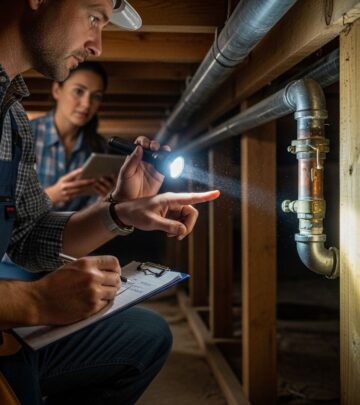
Beware masking scents hiding smoke or pets. Check attics for insulation and leaks, basements for seepage. DIY renovations may violate codes—ask for permits.
- Water stains on ceilings?
- Pest evidence like droppings?
- Uneven floors signaling foundation shifts?
Take unobtrusive photos for later review.
Financial and Legal Inquiries
Ask about property taxes, HOA fees, and flood insurance needs. Recent sales comps? Seller motivations? Any liens or disputes?
Utilities averages help budgeting. Age of major components informs replacement reserves.
Post-Viewing Actions
Discuss findings with your agent immediately. Schedule re-views for favorites. Order professional inspections for structural, pest, and radon tests. Compare notes against your checklist.
Frequently Asked Questions
How many viewings should I do?
View 5-10 properties to calibrate expectations, revisiting top 2-3.
What if I spot issues?
Note them; negotiate repairs or price post-inspection.
Should I bring kids or pets?
Best alone first to focus; family later for fit.
How to check energy efficiency?
Request EPC/BER certificate; inspect glazing and insulation.
What’s a deal-breaker?
Structural flaws, bad location, or exceeding budget.
References
- What To Look For When Viewing A House | Checklist & Tips — Tembo Money. 2023. https://www.tembomoney.com/learn/what-to-look-for-when-viewing-a-house
- 50 questions to ask when viewing a house – the complete checklist — Knight Frank. 2023. https://www.knightfrank.ie/news-blog/questions-to-ask-when-viewing-a-house-complete-checklist
- Attending an Open House: A Checklist for Buyers — Berkshire Hathaway HomeServices Select Properties, St. Louis. 2023. https://bhhsselectstl.com/view-blog/attending-an-open-house-a-checklist-for-buyers
- 12 Things to Look for During a Home Showing — Urban Acres Real Estate. 2023. https://urbanacres.com/what-to-look-for-during-a-home-showing/
- The Complete House Hunting Checklist | Free Printable List for Buyers — Orchard. 2023. https://orchard.com/blog/posts/house-hunting-checklist-for-buyers
Similar Articles








Read full bio of Sneha Tete