Key Factors Shaping Your Credit Score
Unlock the secrets behind your credit score by understanding the five core factors that lenders evaluate to determine your financial reliability.

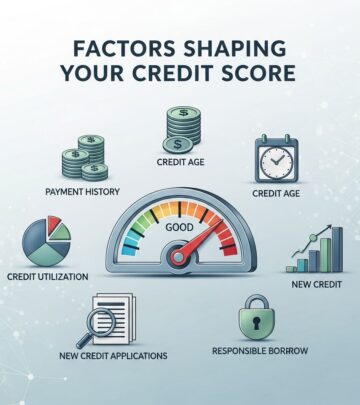
Your credit score is a critical number that lenders use to assess your creditworthiness. Ranging typically from 300 to 850, higher scores open doors to lower interest rates and better loan terms. FICO, the most widely used model, bases scores on five main categories, each with distinct weights.
Understanding the FICO Score Breakdown
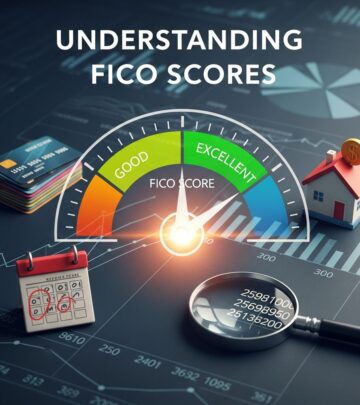
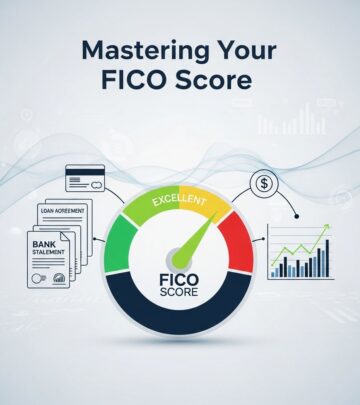
The FICO score algorithm analyzes data from your credit reports provided by Equifax, Experian, and TransUnion. These reports detail your borrowing history, and the score reflects how responsibly you’ve managed credit. Scores above 750 are generally excellent, 700-749 good, and 650-699 fair.
- Payment History (35%): Tracks on-time payments across all accounts.
- Amounts Owed (30%): Measures debt relative to credit limits.
- Length of Credit History (15%): Evaluates account age and usage patterns.
- New Credit (10%): Reviews recent applications and inquiries.
- Credit Mix (10%): Assesses variety in credit types.
These weights can shift slightly based on individual profiles, but they form the foundation.
Payment History: The Cornerstone of Credit Health
Payment history dominates at 35% of your FICO score. It records whether you’ve paid loans, credit cards, and other debts on time. Lenders prioritize this because it predicts future behavior. A single late payment over 30 days can drop your score significantly, with effects lingering up to seven years.
Positive history includes consistent on-time payments. Negative marks like delinquencies, collections, foreclosures, or bankruptcies weigh heavily. For instance, accounts in collections signal high risk.
| Event | Impact Duration | Score Effect |
|---|---|---|
| 30-day late payment | Up to 7 years | Moderate drop |
| Collections | 7 years | Severe drop |
| Bankruptcy | 7-10 years | Major long-term damage |
To strengthen this factor, set up autopay for at least the minimum due. If facing hardship, contact creditors early for plans. Nonprofit counseling can help manage overwhelming debt.
Amounts Owed: Mastering Credit Utilization
Accounting for 30%, amounts owed examines total debt and utilization ratio—your balances divided by credit limits. High utilization, especially over 30%, suggests risk, even if payments are timely. Ideal is under 10% for top scores.
Revolving debt like credit cards impacts more than installment loans (e.g., mortgages). Pay down balances before statements close to report low usage. Avoid maxing cards.
Quick Calculation: If limits total $10,000 and balances are $2,000, utilization is 20%. Aim lower by paying extra or requesting limit increases (without new inquiries).
- Pay multiple times monthly.
- Keep overall utilization below 30%.
- Pay installment loans steadily.
Length of Credit History: The Value of Time
At 15%, this factor considers your oldest account’s age, newest account, average age, and recent activity. Longer histories demonstrate sustained responsibility, benefiting scores.
Young profiles score lower due to limited data. Keep old accounts open, even if unused, as closure shortens average age. Lenders view long-term patterns favorably.
For beginners: Start with secured cards or become an authorized user on a trusted account. Building gradually yields better results than rapid account opening.
New Credit: Balancing Growth and Caution
New credit (10%) tracks recent accounts and hard inquiries. Multiple applications signal desperation, lowering scores temporarily (up to 12 months).
Rate shop within 14-45 days for mortgages/auto loans counts as one inquiry. Space out applications and limit to needs.
- Minimize inquiries.
- Build slowly.
- Monitor reports for errors.
Credit Mix: Diversity in Borrowing
The smallest at 10%, credit mix rewards managing revolving (cards) and installment (loans) debts. A balanced portfolio shows versatility, though not essential if other factors excel.
Don’t open unnecessary accounts just for mix; focus on needs like a mortgage plus cards. Natural diversity from life events helps most.
Strategies to Elevate Your Score
Improving takes time, but consistent actions pay off:
- Automate payments to perfect history.
- Reduce utilization aggressively.
- Retain old accounts for history length.
- Limit applications yearly.
- Diversify responsibly over time.
Check scores free weekly via AnnualCreditReport.com or services like Experian. Dispute inaccuracies promptly.
Frequently Asked Questions
What is a good credit score?
Scores over 750 are excellent, 700+ good, per FICO standards.
How long do late payments affect my score?
Up to 7 years, but impact fades over time with positive behavior.
Does closing old cards help?
No, it can shorten history and raise utilization.
Can I improve my score quickly?
Recent positives like utilization drops show fast; history builds slowly.
What’s the difference between FICO and VantageScore?
FICO weights payment 35%; VantageScore 40%. Both use similar data.
Common Myths Debunked
- Myth: Rent/utilities build credit automatically. Fact: Only reported debts count; opt into services if available.
- Myth: Carrying balances builds score. Fact: Full payoff monthly optimizes utilization.
- Myth: More cards always help. Fact: Excess inquiries harm new credit factor.
References
- The 5 Factors that Make Up Your Credit Score — Freddie Mac. 2023. https://myhome.freddiemac.com/blog/financial-education/credit-score-factors
- 5 Key Factors That Impact Your Credit Score — Provident Credit Union. 2024-05-15. https://providentcu.org/blog/news/5-key-factors-that-impact-your-credit-score
- Factors That Affect Your Credit Score — Regions Bank. 2025. https://www.regions.com/insights/personal/article/credit-score-meaning-the-factors-that-affect-your-credit-score
- What is a Credit Score? Types, Ranges & More — Intuit. 2024-08-20. https://www.intuit.com/blog/innovative-thinking/what-is-credit-score/
- How are FICO Scores Calculated? — myFICO. 2025-01-10. https://www.myfico.com/credit-education/whats-in-your-credit-score
- Understand your credit score — Consumer Financial Protection Bureau. 2025-03-01. https://www.consumerfinance.gov/consumer-tools/credit-reports-and-scores/understand-your-credit-score/
Similar Articles








Read full bio of Sneha Tete