Key Factors in Moving to Digital Banking
Explore essential considerations for transitioning to online banking, balancing convenience, costs, and security for smarter financial management.
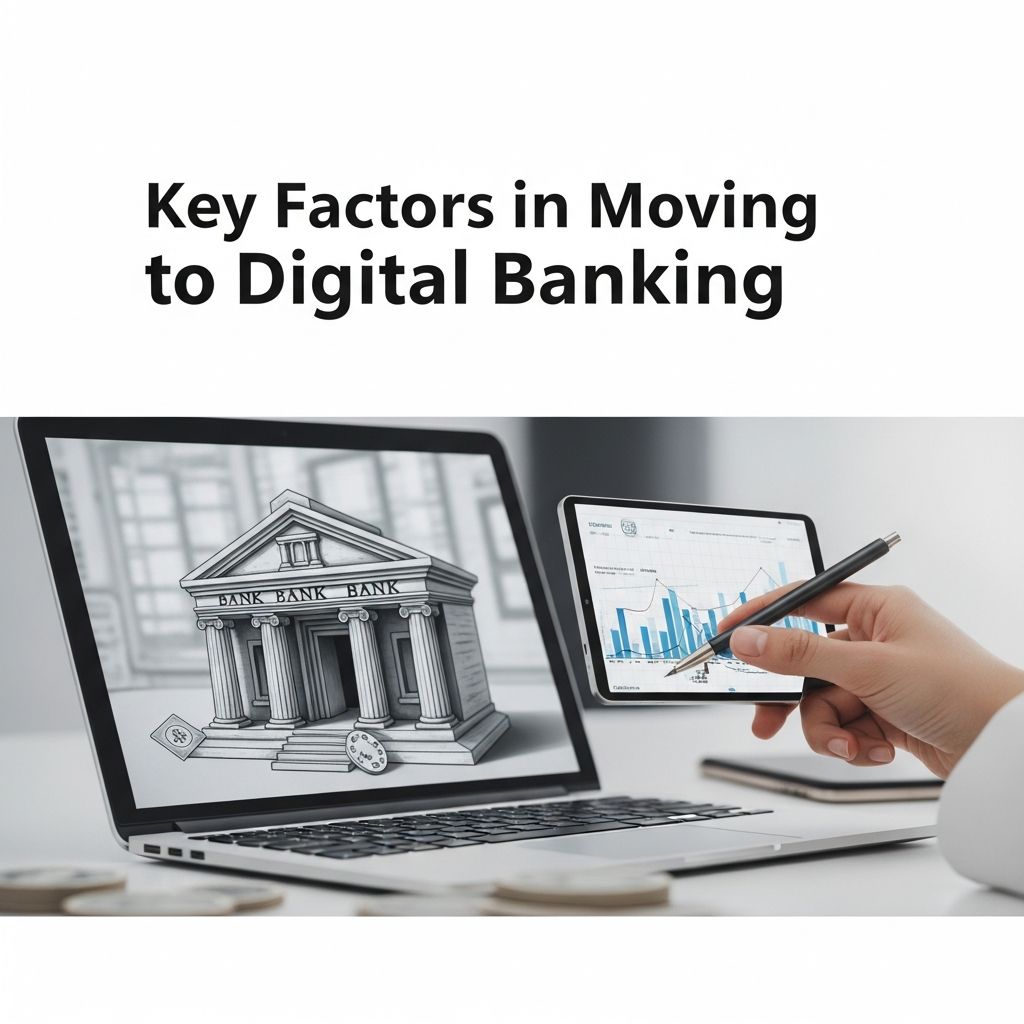
Switching to digital banking can transform how individuals and businesses manage finances, providing tools for efficiency and cost savings. This shift demands careful evaluation of benefits against potential hurdles to ensure it aligns with personal needs.
Financial Advantages of Digital Platforms
Digital banks often operate without physical locations, allowing them to offer competitive financial perks. Customers frequently enjoy elevated interest rates on savings accounts compared to traditional institutions. These higher yields stem from reduced operational expenses passed directly to users.
Fee structures represent another major draw. Many platforms eliminate monthly maintenance charges, minimum balance requirements, and overdraft penalties. Transaction costs, including ATM usage or electronic transfers, are commonly waived or reimbursed, enhancing overall value.
- Higher annual percentage yields on deposits
- No or reduced account fees
- Unlimited digital transactions without extra costs
Convenience and Accessibility Benefits
Access to accounts around the clock stands out as a core strength. Users log in via apps or websites anytime, from any location with internet, bypassing branch hours and queues.
This flexibility proves invaluable for frequent travelers or those with irregular schedules. Bill payments, balance checks, and fund transfers occur instantly, often with mobile notifications for real-time oversight.
Advanced features further streamline operations. Automated categorization of expenses, budgeting dashboards, and integrations with accounting software like QuickBooks reduce manual work.
Evaluating Service Limitations
While digital banking excels in basics, it may fall short for specialized needs. Complex services such as obtaining cashier’s checks or notary services often require traditional branches.
Cash handling poses a frequent challenge. Many platforms lack direct deposit options, relying on partner ATMs or retailers like Walmart, which may incur fees or delays. Businesses dealing in cash, such as retail, find this particularly restrictive.
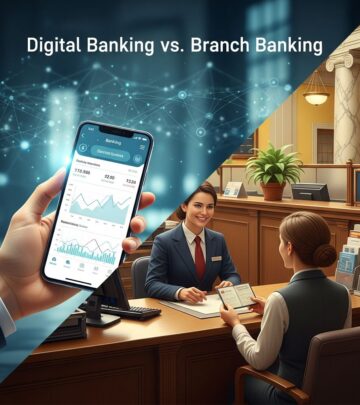
| Aspect | Digital Banking | Traditional Banking |
|---|---|---|
| Cash Deposits | Limited or partnered networks | Direct at branches/ATMs |
| Complex Loans | Often streamlined digitally | In-person consultations available |
| Support | Phone/chat 24/7 | Face-to-face at branches |
Security Measures and Risks
Robust protections define reputable digital banks. Encryption, multi-factor authentication, and real-time fraud detection safeguard accounts. Federal Deposit Insurance Corporation (FDIC) coverage up to $250,000 per depositor applies equally to online institutions, ensuring deposit safety.
Potential vulnerabilities include phishing attempts and technical outages. Users must employ strong passwords, enable alerts, and avoid public Wi-Fi for transactions. Scheduled maintenance can temporarily limit access, though rare.
- Military-grade data encryption
- Instant suspicious activity alerts
- Biometric login options on apps
Customer Support Options
Without branches, support shifts to digital channels. Phone lines, live chats, and email provide assistance, often with extended hours. Response times vary, but many platforms aim for quick resolutions.
For intricate issues, users might need to mail documents or use secure portals. Those preferring personal interactions may feel underserved, highlighting the need for self-sufficient tech comfort.
Technology Requirements for Success
Reliable internet and compatible devices are prerequisites. Rural areas or frequent outages could disrupt service, though mobile apps offer offline queuing for some functions.
Integration with daily tools enhances usability. Seamless links to payment apps like PayPal or budgeting platforms simplify workflows.
Steps for a Smooth Transition
Research platforms using comparison sites for rates and features. Verify FDIC insurance and read user reviews for service quality.
- Compare fees, rates, and tools across providers
- Open a secondary account to test services
- Transfer funds gradually
- Update automatic payments and direct deposits
- Monitor for 1-2 months before full switch
Start small to build confidence. Set up alerts for all activity to catch issues early.
Who Benefits Most from Digital Banking
Tech-savvy individuals, remote workers, and those minimizing costs thrive. Families with digital natives find apps intuitive for shared oversight.
Cash-reliant users or those needing frequent in-person advice might hybridize, using digital for routine tasks and traditional for others.
Future Trends in Digital Finance
Advancements like AI-driven insights and voice banking promise further evolution. Expanded cash options via more retail partnerships address current gaps.
Frequently Asked Questions
Is online banking safer than traditional?
Yes, with advanced encryption and monitoring, often exceeding branch security, plus FDIC protection.
Can I deposit cash easily?
Limited; use partner ATMs or stores, but fees may apply. Not ideal for heavy cash users.
What if I face technical issues?
Contact support via app, phone, or chat. Most resolve quickly, with backups like mailed checks.
Are fees always lower?
Typically yes, no branch costs mean savings on maintenance and transactions.
How do I choose a provider?
Prioritize FDIC, high yields, low fees, and strong reviews.
References
- Pros and Cons of Online Banking — Chime. 2023. https://www.chime.com/blog/pros-and-cons-of-internet-banking/
- Online vs. Traditional Banking: Differences, Pros, and Cons — Brex. 2024. https://www.brex.com/spend-trends/business-banking/online-banking-vs-traditional-banking
- The 4 advantages & disadvantages of online banking — Wise. 2024. https://wise.com/us/blog/online-banking-advantages
- The Advantages and Disadvantages of Online Banking — Moya Financial. 2023. https://moyafinancial.ca/blog/the-advantages-and-disadvantages-of-online-banking/
- Brick-And-Mortar Banks Vs. Online Banks: Pros And Cons — Bankrate. 2025-03-01. https://www.bankrate.com/banking/savings/online-vs-brick-and-mortar-banks/
- Online Banking – Advantages and Disadvantages — American Express. 2024. https://www.americanexpress.com/en-us/business/trends-and-insights/articles/online-banking-advantages-and-disadvantages-of-having-a-bank-online/
- Advantages & Disadvantages of Digital Banking in 2025 — Meniga. 2025. https://www.meniga.com/resources/digital-banking-advantages-and-disadvantages/
Similar Articles








Read full bio of Sneha Tete