Key Differences Between Visa, Mastercard, Discover, and American Express
Understand the key distinctions between major credit card networks and choose the right one for your needs.
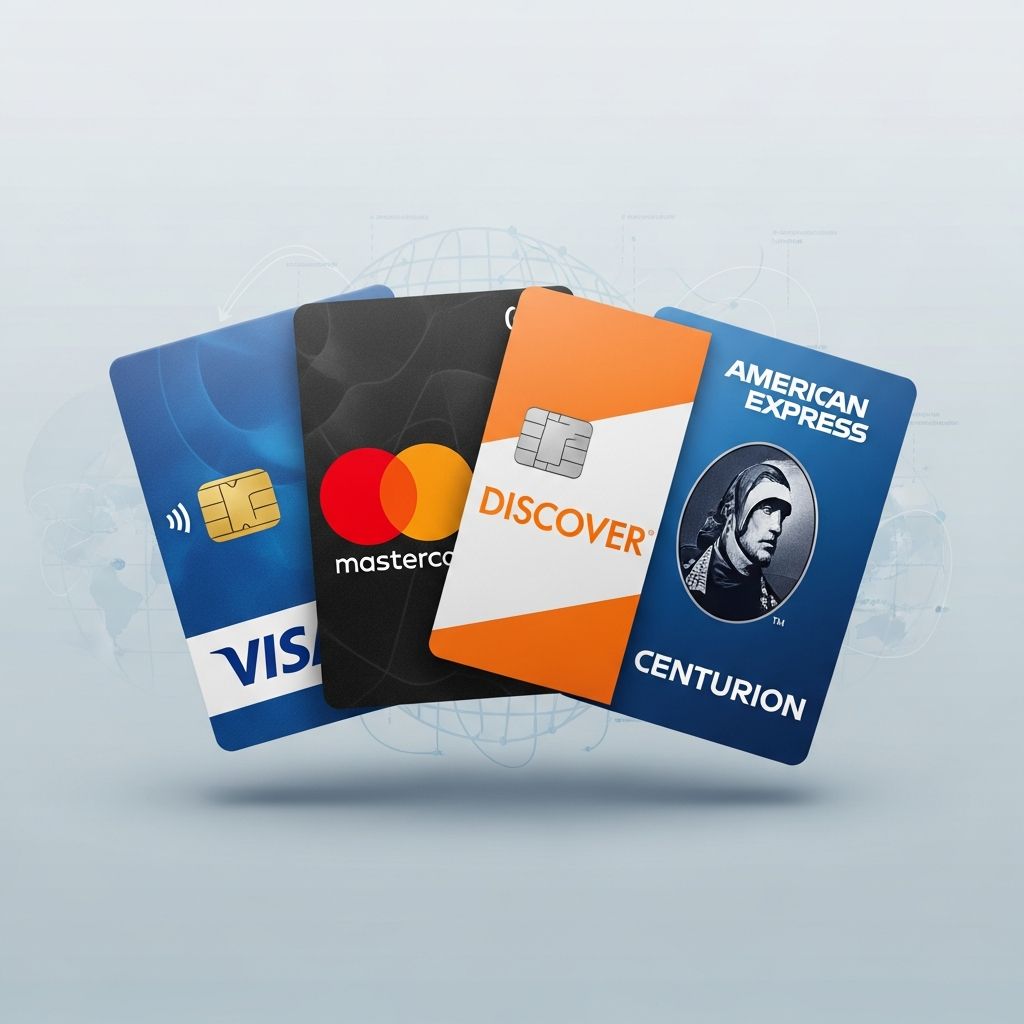
Understanding Credit Card Networks
When choosing a credit card, one of the first decisions you’ll face is selecting between the major payment networks: Visa, Mastercard, Discover, and American Express. While these companies all issue credit cards that allow you to make purchases on credit, they operate differently in terms of acceptance, rewards programs, fees, and cardholder benefits. Understanding these differences can help you select the credit card that best aligns with your spending habits and financial goals.
Each payment network has its own unique characteristics that make it suitable for different types of consumers. Whether you’re a frequent traveler, everyday shopper, or someone looking to maximize rewards, knowing the distinctions between these four major card networks is essential for making an informed decision.
What Are Credit Card Networks?
Credit card networks are the organizations that facilitate transactions between merchants, banks, and cardholders. They set the rules for how cards are issued, establish interchange fees, and determine which merchants accept their cards. The four major networks in the United States are Visa, Mastercard, Discover, and American Express, each with distinct characteristics and market positions.
It’s important to note that most credit card issuers partner with one of these networks to offer their cards. For example, a bank might issue a Visa card or a Mastercard, but the issuing bank and the network are separate entities. This distinction affects everything from where you can use your card to what benefits come with it.
Visa: The Global Leader
Market Position and Acceptance
Visa is the largest and most widely accepted credit card network globally. With an estimated 190 million merchants accepting Visa worldwide, this network offers unparalleled accessibility. In the United States alone, Visa cards are accepted at virtually every retailer, both online and in physical locations. This universal acceptance makes Visa an excellent choice for those who value convenience and reliability.
Visa Card Types and Benefits
Visa offers multiple card categories designed for different consumer needs. These include rewards cards that provide cash back or points on purchases, travel cards with airline and hotel perks, and low-interest cards for balance transfers. Many Visa cards come with introductory 0% APR periods, purchase protections, and extended warranties. The rewards structure varies by card issuer, but Visa cards typically offer competitive cash back rates or point multipliers in specific spending categories.
Fees and Costs
Visa card fees depend entirely on the issuing bank and the specific card product. While many Visa cards carry no annual fee, premium Visa products may charge substantial annual fees in exchange for enhanced benefits. Foreign transaction fees are also determined by the card issuer, though many Visa travel cards eliminate these fees for international purchases.
Mastercard: Flexibility and Innovation
Market Position and Acceptance
Mastercard is the second-largest payment network globally and is accepted at approximately 190 million merchants worldwide. While slightly less ubiquitous than Visa in some regions, Mastercard maintains strong acceptance in most developed nations and is continuously expanding in emerging markets. In the United States, Mastercard acceptance is nearly universal, making it a reliable option for everyday purchases.
Mastercard Card Types and Benefits
Mastercard offers a diverse range of card products, including rewards cards with flexible redemption options, travel cards with premium perks, and cashback cards that appeal to value-conscious consumers. Many Mastercard products feature bonus categories that allow cardholders to earn higher rewards rates on specific purchases such as groceries, gas, or dining. Mastercard also offers various cardholder protections, including purchase protection, price protection, and travel-related insurance.
Unique Mastercard Features
Mastercard has positioned itself as an innovative network with focus on digital payments and emerging technologies. Many Mastercard products offer enhanced benefits through partnerships with select merchants and service providers. The Mastercard Rewards program structure often allows for straightforward redemption options, including statement credits, cash back, and transfer to travel partners.
American Express: Premium Positioning
Business Model Differences
American Express operates differently from Visa and Mastercard in a fundamental way: Amex is both a network operator and a card issuer. This means American Express directly issues most of its cards rather than relying primarily on partner banks. This business model allows Amex to maintain tighter control over cardholder experience and benefits, but it also means fewer American Express cards are available compared to Visa and Mastercard.
Market Position and Acceptance
While American Express has a prestigious brand reputation and strong presence in premium market segments, it has lower merchant acceptance compared to Visa and Mastercard. Approximately 85% of merchants accept American Express, which is significantly lower than its competitors. This makes American Express less suitable for everyday purchases at all retailers, particularly in rural areas and smaller establishments. However, Amex maintains strong acceptance among premium merchants, airlines, hotels, and upscale retailers.
Premium Benefits and Rewards
American Express has built its brand around premium offerings and robust cardholder benefits. Amex cards, particularly premium products, often include valuable perks such as airport lounge access, travel credits, concierge services, and comprehensive travel insurance. The rewards structure on American Express cards tends to be generous, with many cards offering 1.5% to 5% back on various categories depending on the card type.
Annual Fees and Premium Positioning
Most American Express cards carry annual fees, with premium cards featuring fees ranging from $95 to $895 or higher. These fees are offset by substantial statement credits, rewards bonuses, and premium benefits. American Express targets affluent consumers willing to pay for premium experiences and tailored service.
Discover: The Innovative Challenger
Market Position and Acceptance
Discover is smaller than the other three major networks and operates primarily in the United States and a few other markets. Merchant acceptance for Discover is approximately 99% in the U.S., but internationally, Discover acceptance is limited compared to Visa and Mastercard. This makes Discover primarily a domestic option for American consumers.
Distinctive Features of Discover Cards
Like American Express, Discover is both a network operator and card issuer. Discover has built its reputation on consumer-friendly policies and rewards programs. Discover cards are known for offering 0% intro APR periods and cash back rewards without annual fees. Many Discover cards feature rotating bonus categories that change quarterly, allowing cardholders to maximize rewards on changing spending patterns.
Rewards and Benefits
Discover differentiates itself through competitive rewards structures and consumer-friendly features. Many Discover cards offer 1% to 5% cash back depending on the card and spending category. Discover also offers purchase protections, price protection, extended warranties, and travel-related benefits on premium cards. Additionally, Discover cards typically feature lower annual fees or no annual fees compared to premium competitors.
Comparison Table: Key Differences
| Feature | Visa | Mastercard | American Express | Discover |
|---|---|---|---|---|
| Merchant Acceptance (Global) | ~190 million | ~190 million | ~85% globally | Limited (U.S.-focused) |
| Network Type | Network operator | Network operator | Network + Issuer | Network + Issuer |
| Typical Annual Fee | $0–$550+ | $0–$495+ | $95–$895+ | $0–$300 |
| Rewards Options | Cash back, Points, Miles | Cash back, Points, Miles | Points, Miles | Primarily Cash back |
| Premium Benefits | Varies by issuer | Varies by issuer | Extensive (lounge, travel) | Limited on standard cards |
| Best For | Universal acceptance | Flexible redemptions | Premium travelers | Domestic cash back |
Choosing the Right Card Network for Your Needs
For International Travelers
If you travel internationally frequently, Visa or Mastercard is your best option due to their global acceptance and prevalence. Many travel-focused Visa and Mastercard products offer no foreign transaction fees, making them economical choices for international purchases. American Express has growing acceptance internationally but remains limited outside major cities and premium establishments. Discover is primarily a domestic network and should not be your primary card for international travel.
For Reward Maximization
All four networks offer competitive rewards programs, but they differ in structure. Visa and Mastercard offer diverse rewards options through multiple issuers, allowing you to choose between cash back, points, or miles based on your preferences. American Express tends to offer higher point values on premium cards but typically charges annual fees to access top-tier benefits. Discover is excellent for maximizing cash back without annual fees, especially with rotating bonus categories.
For Premium Travel Benefits
If premium benefits such as airport lounge access, travel credits, and concierge service are priorities, American Express premium cards offer unmatched value despite higher annual fees. Many Visa and Mastercard premium products also offer similar benefits, often at lower annual fees. Discover’s standard offerings include fewer premium benefits.
For Budget-Conscious Consumers
Visa and Mastercard offer numerous no-annual-fee options with competitive rewards. Discover is particularly attractive for budget-conscious consumers seeking cash back rewards without paying annual fees. American Express generally requires annual fees for most of its card offerings.
Factors to Consider When Comparing Cards
Intro Offers and Bonuses
When evaluating credit cards, consider introductory offers such as 0% APR periods on purchases or balance transfers, as well as welcome bonuses requiring minimum spending. These temporary benefits can provide significant value if you plan to take advantage of them within the specified timeframe.
Fee Structure
Beyond annual fees, compare foreign transaction fees, balance transfer fees, and cash advance fees. Some cards waive certain fees entirely, making them more economical for specific use cases. Premium cards often include fee waivers as part of their benefit packages.
Rewards Rate and Categories
Examine the rewards structure carefully. Flat-rate cards offer consistent rewards across all purchases, while category-based cards reward higher spending in specific areas. Consider which reward type aligns best with your spending patterns. Determine whether cash back or points-based rewards better suit your needs and redemption preferences.
Cardholder Protections and Benefits
Beyond rewards, credit cards offer various protections including purchase protection, extended warranties, price protection, and travel insurance. These benefits can be substantial value-adds, particularly for high-spending cardholders.
Frequently Asked Questions
Q: Can I use a Discover card everywhere Visa is accepted?
A: No. While Discover has 99% merchant acceptance in the United States, it is not universally accepted everywhere. Additionally, Discover has minimal acceptance internationally compared to Visa and Mastercard, making it less suitable for foreign travel.
Q: Is American Express more prestigious than Visa or Mastercard?
A: American Express has cultivated a premium brand image and targets affluent consumers, but prestige is subjective. Visa is the most widely used globally, while Mastercard and Discover also offer premium products. The perceived prestige depends more on the specific card product than the network itself.
Q: Why do some merchants not accept American Express?
A: American Express charges higher interchange fees to merchants compared to Visa and Mastercard. This makes some merchants, particularly smaller businesses and those operating on thin margins, reluctant to accept American Express. Additionally, Amex has lower overall market penetration than its competitors.
Q: Which network offers the best rewards program?
A: The best rewards program depends on your spending habits and preferences. Visa and Mastercard offer diverse programs through multiple issuers. American Express offers premium rewards on high-fee cards. Discover provides competitive cash back rewards without annual fees. Compare specific card offers to find the best match for your needs.
Q: Does the credit card network affect my credit score?
A: No. Credit scoring agencies focus on the issuing bank’s practices, not the payment network. Your credit score is determined by payment history, credit utilization, account age, and other factors related to your relationship with the card issuer, not which network the card uses.
Q: Can I have multiple cards from different networks?
A: Yes. Many financially savvy consumers maintain multiple cards from different networks to optimize rewards, take advantage of various benefits, and ensure broad merchant acceptance across different scenarios.
Q: Are there foreign transaction fees on all cards?
A: No. Many travel-focused cards from Visa and Mastercard eliminate foreign transaction fees. American Express and Discover practices vary by card product. When choosing a card for international use, specifically look for products that waive foreign transaction fees.
Q: What is the difference between a network and a card issuer?
A: A network like Visa or Mastercard facilitates transactions and sets industry standards. An issuer is the bank or financial institution that issues the physical card to you. Most cards are issued by banks partnering with networks, though American Express and Discover issue most of their own cards.
Conclusion
Understanding the differences between Visa, Mastercard, Discover, and American Express helps you make informed decisions about which credit card best serves your financial needs. Visa and Mastercard offer universal acceptance and diverse card options through multiple issuers. American Express provides premium benefits and positioning for affluent consumers. Discover offers competitive domestic rewards without annual fees.
Consider your travel patterns, spending habits, desired rewards structure, and priority benefits when selecting a card. Many consumers benefit from maintaining multiple cards across different networks to maximize rewards, access diverse benefits, and ensure broad merchant acceptance. Evaluate specific card offerings from each network, comparing annual fees, rewards rates, introductory offers, and cardholder benefits to identify products that align with your financial goals.
References
- 7 Best Credit Card Benefits to Look at Before Applying — Experian. 2025. https://www.experian.com/blogs/ask-experian/best-credit-card-benefits-to-look-at-before-applying/
- Different Types Of Credit Cards — Bankrate. 2025. https://www.bankrate.com/credit-cards/advice/different-types-of-credit-cards/
- Side by Side Credit Card Comparison — NerdWallet. 2025. https://www.nerdwallet.com/credit-cards/compare
- The Best Rewards Credit Cards for Everyday Spending in 2025 — The Points Guy. November 2025. https://thepointsguy.com/credit-cards/stephanie-stevens-best-rewards-credit-cards-nov25/
- 9 Types of Credit Cards You Should Know — Citizens Bank. 2025. https://www.citizensbank.com/learning/which-credit-card-should-you-get.aspx
Similar Articles








Read full bio of Sneha Tete