Kate Spade Net Worth: Building a $2.4 Billion Fashion Empire
From a 1-bedroom apartment to a $2.4 billion brand: Kate Spade's remarkable entrepreneurial journey.
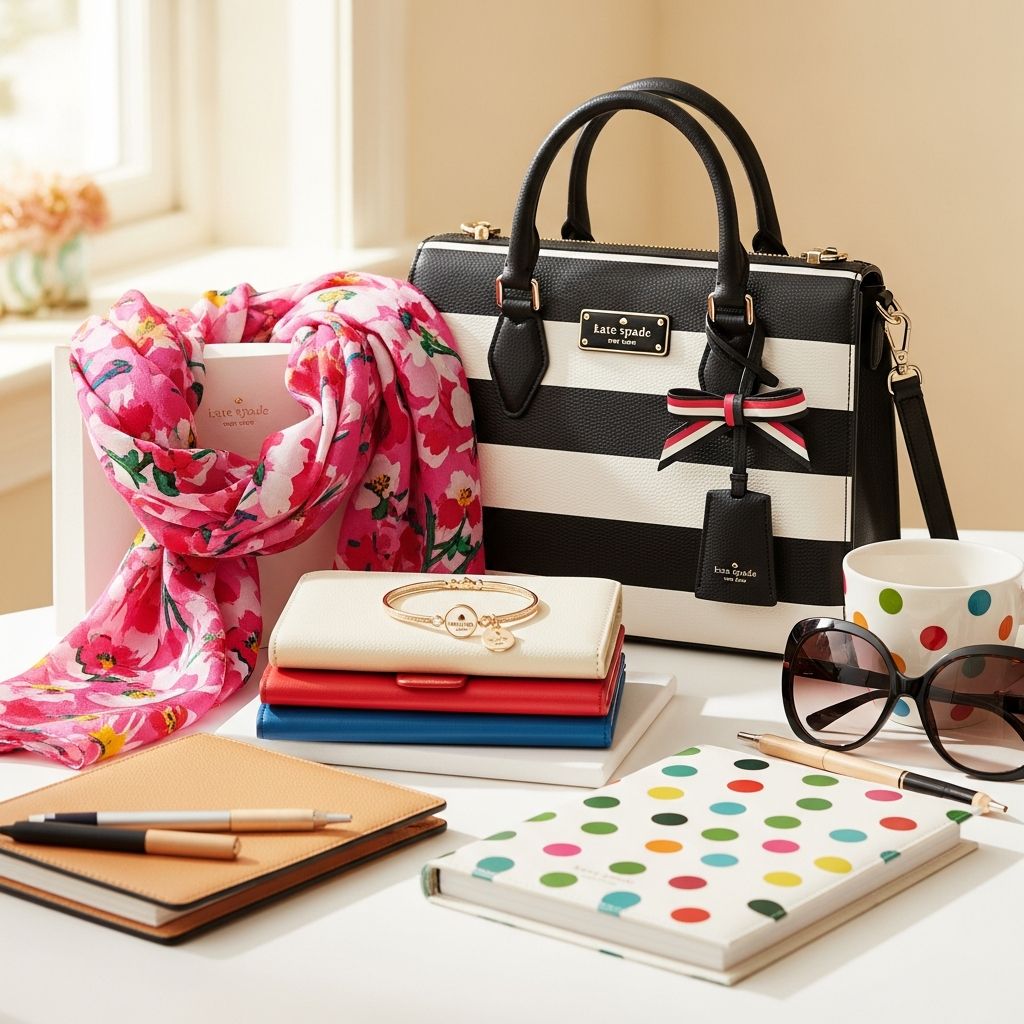
Kate Spade Built a Fashion Empire Worth $2.4 Billion Out of Her 1-Bedroom Apartment
The legacy of Kate Spade’s billion-dollar brand stands as one of the most inspiring entrepreneurial stories in fashion history. Starting with nothing but ambition and creativity, Kate Spade transformed a simple idea into a global powerhouse that revolutionized the luxury accessories market. Her journey from a modest one-bedroom Manhattan apartment to helming a company valued at $2.4 billion demonstrates the power of determination, innovation, and strategic business acumen.
At the time of her passing in 2018, Kate Spade’s estimated net worth reached between $100 million and $200 million, making her one of the most successful fashion designers of her generation. Her story, however, is much more than financial success—it represents the democratization of luxury fashion and the creation of an accessible yet sophisticated brand that resonated with millions worldwide.
The Beginning: From Magazine Editor to Fashion Entrepreneur
Kate Spade’s journey into fashion began not in a design studio but in the offices of Mademoiselle magazine, where she started in 1991 with a modest salary of $14,000. As she climbed the editorial ladder to the position of senior editor, she developed an intimate understanding of fashion trends, consumer preferences, and the accessories market. However, her true calling lay elsewhere.
The turning point came when her husband, Andy Spade, an advertising executive, suggested she channel her fashion expertise into creating an affordable yet chic handbag line. This conversation would spark the beginning of one of fashion’s greatest success stories. What made this idea revolutionary was its simplicity: handbags with clean lines, understated elegance, and impeccable craftsmanship at accessible price points.
Kate quit her position at Mademoiselle and together with Andy, the couple began their venture with virtually no experience in retail design or production. They were entirely self-taught, learning everything from scratch using their one-bedroom Manhattan apartment as their office, design studio, and home. This humble beginning taught them resilience, creativity under constraint, and the importance of quality and design excellence.
The Launch: Creating a Luxury Handbag Revolution
The Kate Spade Collection officially launched in the early 1990s, with accounts suggesting the brand’s emergence occurred around 1991, though the iconic collection of color-pop bags hit the market between 1992 and 1993. The early days were marked by both promise and struggle. Despite securing key customers including prestigious retailers Barney’s New York and Fred Segal, the company generated virtually no profit during its first three years.
The Spades faced a critical decision point after three years of financial loss. Many entrepreneurs would have abandoned the venture, but Kate and Andy persevered. Their commitment to quality and design eventually paid dividends when major department store chains like Saks Fifth Avenue and Neiman Marcus began carrying the Kate Spade handbag line nationally. This breakthrough marked a turning point for the fledgling company.
Recognition from the fashion industry further validated their work. Kate Spade received the prestigious Council of Fashion Designers of America (CFDA) award, an honor that significantly elevated her profile and the brand’s credibility within the industry. This recognition helped establish Kate Spade as not just a commercial success but as an innovative force in fashion design.
From Handbags to a Complete Lifestyle Brand
The expansion of the Kate Spade brand beyond handbags occurred strategically over time. Initially focused exclusively on handbags, the company eventually expanded into shoes, clothing, and other lifestyle accessories. Andy Spade also created a men’s line under the Jack Spade brand, further diversifying the company’s offerings.
The product diversification reflected the company’s growth and market confidence. Sales figures demonstrated this trajectory clearly: starting with $100,000 in revenue in 1993, the company grew to $27 million by 1998, and reached $99 million by 2006. This exponential growth demonstrated the strength of the brand and its appeal across multiple product categories.
In 2004, Kate Spade expanded further by launching Kate Spade at Home, a collection featuring bedding, home decor, bath items, wallpaper, and various lifestyle products. This move allowed the brand to reach customers seeking the Kate Spade aesthetic across their entire living spaces, not just in their wardrobes and accessories.
Strategic Sales and Company Transitions
After nearly a decade of pouring their own money into the business, Kate and Andy Spade made their first major financial exit in 1999 when they sold 56% of the company to Neiman Marcus Group for upwards of $30 million. This sale validated their vision and provided substantial capital while allowing them to maintain involvement in the brand they had built.
Following the initial sale to Neiman Marcus, the couple eventually sold their remaining shares to the retailer and stepped away from the business completely by 2007. At that point, Kate wanted to focus on raising her daughter, Frances Valentine, who was two years old at the time. Interestingly, Frances Valentine would later become the namesake for a new fashion line Kate launched in 2016, demonstrating her continued passion for design and entrepreneurship.
After the Spades’ departure, the company underwent several ownership transitions. Neiman Marcus sold the brand to Liz Claiborne Inc. for $124 million in 2006. The retail environment during the mid-2000s proved challenging for the brand, as e-commerce disrupted traditional business models and transformed consumer shopping habits. The company struggled to adapt to these changes under its various ownership structures.
The final major transaction came in 2017 when Coach, Inc., a rival luxury leather goods company known for high-end bags, acquired Kate Spade for $2.4 billion in cash. This valuation represented the peak recognition of the brand’s market value and global significance. However, by this time, Kate and Andy Spade were no longer involved in the company, so they did not financially benefit from this historic transaction.
Financial Impact and Brand Valuation
The journey from a one-bedroom apartment to a $2.4 billion acquisition represents one of fashion’s most remarkable valuations. The brand’s growth reflected not only Kate’s design genius but also the broader market recognition of accessible luxury—the concept that high-quality, beautifully designed products could be offered at prices achievable for middle to upper-middle-class consumers.
By the time of her death in 2018, Kate Spade had amassed a personal net worth estimated between $100 million and $200 million, depending on the source. While these figures represent substantial wealth, they pale in comparison to the $2.4 billion valuation the brand achieved. This disparity reflects the reality that Kate and Andy had exited their ownership stake years before the brand reached its peak valuation under corporate ownership.
Global Expansion and Market Presence
The Kate Spade brand achieved remarkable global reach under various ownership structures. By 2023, the brand operated 205 directly operated locations throughout North America and 192 stores globally. This extensive retail footprint demonstrates the brand’s penetration into markets across multiple continents and the enduring consumer appeal of Kate Spade’s design philosophy.
The brand’s product range expanded significantly from its humble handbag origins to include eyewear, shoes, jewelry, fragrances, stationery, paper goods, and home décor items. This diversification allowed the brand to capture consumer spending across multiple categories and to become a lifestyle brand rather than simply an accessories company.
Real Estate and Personal Assets
Kate Spade’s financial success was reflected not only in her net worth but also in substantial real estate holdings. In June 2019, Kate and Andy Spade’s Park Avenue apartment, spanning 3,025 square feet, was listed for $6.35 million. The two-bedroom, 2.5-bathroom residence had been purchased two decades earlier for $2.675 million, representing significant appreciation in New York’s luxury real estate market.
Legacy and Industry Recognition
Kate Spade’s contributions to fashion and entrepreneurship earned her significant industry recognition. She was inducted into the Henry W. Bloch School of Management’s Entrepreneur Hall of Fame in 2017, the same year that Fast Company included her on its “Most Creative People in Business” list. These honors recognized not only her commercial success but her creative innovation and impact on the fashion industry.
Frequently Asked Questions (FAQs)
Q: What was Kate Spade’s net worth at the time of her death?
A: Kate Spade’s net worth at the time of her death in 2018 was estimated between $100 million and $200 million, depending on the source. Celebrity Net Worth cited $200 million, while other sources estimated around $100-150 million.
Q: How did Kate Spade start her fashion brand?
A: Kate Spade started her brand in the early 1990s from her one-bedroom Manhattan apartment with her husband, Andy Spade. They began by creating handbags with clean lines and understated elegance, learning the business from scratch with no prior retail or design experience.
Q: When was the Kate Spade brand sold?
A: Kate and Andy Spade sold 56% of their company to Neiman Marcus in 1999 for over $30 million. They sold their remaining stake to Neiman Marcus in 2006. Neiman Marcus subsequently sold the brand to Liz Claiborne Inc. for $124 million in 2006. In 2017, Coach, Inc. acquired Kate Spade for $2.4 billion.
Q: What was the valuation of Kate Spade when Coach acquired it?
A: Coach acquired Kate Spade for $2.4 billion in 2017, making it one of the largest acquisitions in luxury fashion history and representing the peak valuation of the Kate Spade brand.
Q: Did Kate Spade benefit from the $2.4 billion Coach acquisition?
A: No, Kate and Andy Spade did not benefit from the $2.4 billion Coach acquisition in 2017 because they had already sold their remaining stake in the company in 2006 and were no longer involved in its ownership.
Q: What products did Kate Spade eventually offer beyond handbags?
A: Beyond handbags, Kate Spade expanded into shoes, clothing, jewelry, eyewear, fragrances, stationery, paper goods, and home décor items. In 2004, Kate also launched Kate Spade at Home featuring bedding, home décor, and bath products.
Q: How much did Kate Spade’s Park Avenue apartment sell for?
A: Kate and Andy Spade’s Park Avenue apartment was listed for $6.35 million in June 2019. The 3,025 square-foot two-bedroom residence had been purchased two decades earlier for $2.675 million.
References
- Kate Spade Built a Fashion Empire Worth $2.4 Billion Out of Her 1-Bedroom Apartment — Money Magazine. 2018. https://money.com/kate-spade-net-worth/
- What Was Fashion Designer Kate Spade’s Net Worth? — Market Realist. 2023. https://marketrealist.com/what-was-kate-spades-net-worth/
- Kate Spade Net Worth — Celebrity Net Worth. Updated June 2025. https://www.celebritynetworth.com/richest-businessmen/richest-designers/kate-spade-net-worth/
- Net sales of Kate Spade worldwide, 2025 — Statista. 2025. https://www.statista.com/statistics/665246/global-net-sales-kate-spade/
- 5 Surprising Facts About Kate Spade’s Life and Net Worth — TheStreet. https://www.thestreet.com/personalities/kate-spade-net-worth-facts-14613798
Similar Articles








Read full bio of medha deb