Joint Tenancy: Definition, Rights, and Legal Implications
Complete guide to joint tenancy ownership, rights of survivorship, and how it differs from other property arrangements.

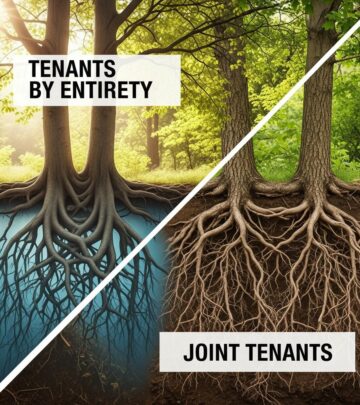
Joint tenancy is a legal agreement in which two or more people have equal rights to and ownership interests in a property or other assets. This form of ownership is particularly common among married couples, family members, business partners, and investment groups who wish to own property together while maintaining equal control and benefits. Understanding the mechanics of joint tenancy is essential for anyone considering this ownership structure, as it carries significant implications for asset management, succession planning, and estate distribution.
Understanding Joint Tenancy
In a joint tenancy arrangement, all parties share equal ownership of the property from the moment the agreement is established. Each tenant has the right to access and use the entire property without restriction, regardless of their individual financial contributions to the purchase. This means that no tenant can claim ownership over a specific portion of the property; instead, each owns an equal share of the whole asset.
One of the most distinctive features of joint tenancy is the concept of “right of survivorship.” When one joint tenant passes away, their ownership interest automatically transfers to the surviving tenants without the need for probate proceedings. This automatic transfer supersedes any claims from the deceased owner’s beneficiaries or provisions in their will, making it a powerful estate planning tool.
Key Requirements for Joint Tenancy
To establish a valid joint tenancy arrangement, four specific legal conditions must be met:
- All tenants must acquire their property interest at the same time
- Each tenant must possess equal ownership shares in the property
- All tenants must acquire the title deed from the same legal document
- All tenants must exercise equal rights of possession and use
These requirements ensure that the joint tenancy arrangement maintains its fundamental characteristic of equality among all owners. Any deviation from these conditions may result in the ownership structure being classified differently, such as a tenancy in common arrangement.
Joint Tenancy with Rights of Survivorship (JTWROS)
The rights of survivorship provision is what fundamentally distinguishes joint tenancy from other forms of property ownership. When one owner dies, the property automatically transfers to the surviving owners without requiring court involvement or probate procedures. This automatic transfer means that the deceased owner’s share bypasses their estate and goes directly to the remaining joint tenants.
Upon a joint tenant’s death, the surviving owners inherit not only the property deed but also:
- The decedent’s complete property interest
- All mortgage responsibility and obligations
- Any existing liens or debts tied to the property
- The deceased owner’s share of property taxes and maintenance costs
- Any outstanding property management agreements or tenant leases
This comprehensive transfer of all rights and obligations ensures continuity in property management and eliminates gaps in ownership that could complicate matters for remaining tenants.
Essential Documentation and Legal Framework
For a joint tenancy to be legally valid and enforceable, the property deed must explicitly state that ownership is held “as joint tenants with rights of survivorship.” This specific language is critical because it establishes the proper legal framework and ensures that courts and financial institutions recognize the arrangement correctly.
Additionally, joint tenants should establish clear written agreements addressing several important considerations:
- How mortgage payments will be divided among owners
- Responsibility for property taxes and maintenance costs
- Procedures if one owner wishes to exit the arrangement
- Decision-making processes for major property changes or sales
These preliminary arrangements prevent misunderstandings and provide a structured framework for managing the property throughout the joint tenancy period.
Advantages of Joint Tenancy
Affordability and Financial Accessibility
One of the primary benefits of joint tenancy is that it makes property ownership more financially accessible. By dividing the cost of acquiring and maintaining a property among multiple owners, each individual’s financial burden is significantly reduced. This arrangement allows people who might not individually qualify for a mortgage or afford a property to become homeowners through joint ownership.
Simplified Ownership Structure
Joint tenancy creates a straightforward framework that avoids the complexity of disparate ownership percentages and intricate profit-sharing formulas. By establishing equal shares and clear rights for all parties, the arrangement minimizes confusion and potential disputes about ownership interests. This simplicity extends to succession planning, as the automatic transfer of property upon death eliminates the need for lengthy probate proceedings.
Equal Protections and Shared Investment
Because each joint tenant has an equal ownership stake, everyone benefits proportionally from property appreciation and maintenance efforts. This equal interest creates a strong incentive for all owners to actively participate in property upkeep and protection of their shared investment. Each owner’s financial interest aligns with maintaining and improving the property’s value.
Probate Avoidance
Joint tenancy with rights of survivorship is one of the most effective methods for avoiding probate. Since the property automatically transfers to surviving owners outside of the probate process, families can access and manage the asset quickly without court involvement, saving time and legal expenses.
Disadvantages and Challenges
While joint tenancy offers significant advantages, potential owners should also consider several drawbacks before entering into this arrangement.
Lack of Flexibility: Joint tenants cannot sell their individual share without the unanimous consent of all other owners. This restriction can create complications if one tenant wishes to exit the arrangement or if relationships between tenants deteriorate.
Liability and Debt Exposure: All joint tenants are equally liable for debts and obligations tied to the property. One tenant’s creditors may be able to place liens against the entire property, affecting all owners.
Unequal Contribution Problems: If joint tenants contribute different amounts toward the property purchase or maintenance, disputes can arise since ownership is strictly equal regardless of financial contributions.
Loss of Control Over Inheritance: The right of survivorship means you cannot control who receives your property interest upon death. It automatically goes to surviving tenants, regardless of your wishes or will provisions.
Joint Tenancy vs. Tenancy in Common
While joint tenancy and tenancy in common are both forms of shared property ownership, they differ significantly in structure and implications.
| Feature | Joint Tenancy | Tenancy in Common |
|---|---|---|
| Ownership Shares | Must be equal (50/50, 33/33/33, etc.) | Can be unequal (e.g., 70/30, 25/75) |
| Right of Survivorship | Yes – property transfers automatically to surviving owners | No – property passes according to will or intestacy laws |
| Acquisition Timing | All tenants must acquire property simultaneously | Can be acquired at different times |
| Title Document | All names must appear on same deed | Can appear on separate or same deed |
| Individual Sale Rights | Cannot sell without all owners’ consent | Can sell individual share without others’ permission |
| Probate | Avoids probate | Subject to probate if no other arrangements made |
Tenancy in common is particularly advantageous for situations where owners wish to maintain unequal ownership interests or have different plans for their property share upon death. For example, a widow with children who remarries might choose tenancy in common to ensure her children inherit her share rather than it automatically transferring to her new spouse.
What Happens When Joint Tenants Separate
If joint tenants decide to separate or end their relationship, the process requires mutual agreement on property division. Neither party can unilaterally sell their share or force a sale of the entire property without unanimous consent from all owners. This constraint can create significant complications if tenants have conflicting interests.
The joint tenancy arrangement itself does not automatically dissolve upon separation. The legal ownership structure remains intact until formally terminated through a legal process, often involving a partition suit if owners cannot reach agreement. In many cases, the tenancy can be converted to a tenancy in common arrangement, allowing each owner to hold a defined percentage interest that can be sold independently.
Joint Tenancy Beyond Real Estate
While joint tenancy is most commonly associated with real property, this ownership structure can apply to other types of assets as well. Joint bank accounts, investment accounts, vehicles, and other valuable property can be held in joint tenancy with the same rights of survivorship protections. This flexibility makes joint tenancy a comprehensive estate planning tool applicable across various asset categories.
Can Joint Tenants Have Unequal Shares?
No, joint tenancy requires that all owners maintain strictly equal ownership shares. If you desire unequal ownership percentages, tenancy in common is the appropriate ownership structure. This fundamental requirement of equality is one of the defining characteristics that distinguishes joint tenancy from other co-ownership arrangements.
Frequently Asked Questions
Q: Is the right of survivorship automatic in joint tenancy?
A: Yes, the right of survivorship is automatic in joint tenancy arrangements. When one owner dies, their share immediately transfers to surviving owners without requiring probate court involvement or any formal legal action.
Q: Can I prevent my share from going to surviving tenants?
A: No, the right of survivorship in joint tenancy overrides all other claims, including those from your beneficiaries or will provisions. If you want to control who receives your property interest upon death, you should consider tenancy in common instead.
Q: What are the tax implications of joint tenancy?
A: Tax implications vary by jurisdiction and individual circumstances. While the property transfer itself typically avoids certain transfer taxes, surviving tenants may face gift tax considerations, and the property receives a stepped-up basis for capital gains purposes at the original owner’s death.
Q: Can I remove myself from a joint tenancy?
A: You can terminate your involvement in joint tenancy by selling your interest to other owners or by converting the arrangement to tenancy in common, typically with the agreement of other owners or through a partition suit if agreement cannot be reached.
Q: Is joint tenancy appropriate for all co-ownership situations?
A: Joint tenancy works well for married couples and close family members but may not be ideal for business partnerships or situations where owners have different intentions for their property interests upon death.
References
- Joint Tenancy: Definition, Pros and Cons — Rocket Mortgage. Accessed November 2025. https://www.rocketmortgage.com/learn/joint-tenancy
- Joint Tenancy vs. Tenants in Common: What’s the Difference? — LegalZoom. Accessed November 2025. https://www.legalzoom.com/articles/joint-tenancy-vs-tenants-in-common
- What Joint Tenancy Means for Your Estate Plan — SmartAsset. Accessed November 2025. https://smartasset.com/estate-planning/joint-tenancy
Similar Articles








Read full bio of Sneha Tete